Top Issues with the Volkswagen Golf 7: A Closer Look at a Popular Compact Car.

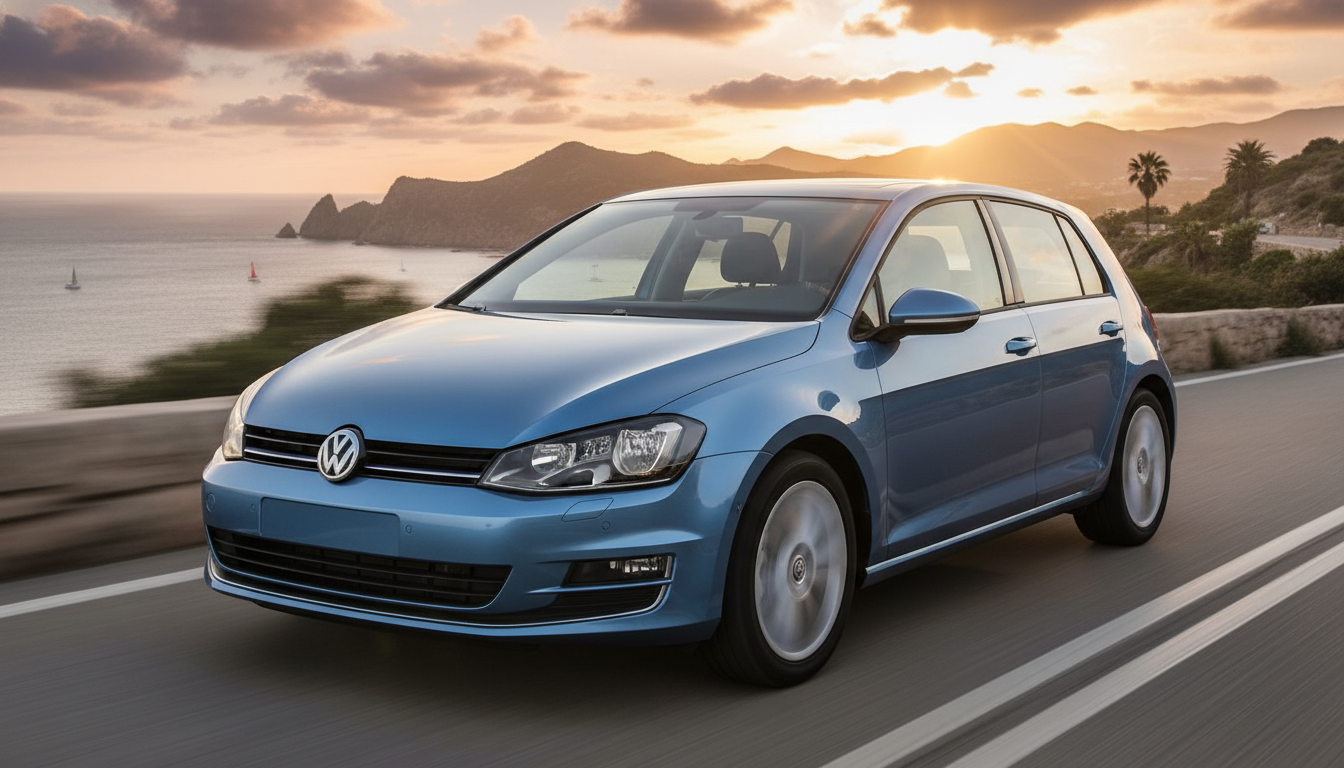
The Seventh-Generation Volkswagen Golf
According to Novyny.live: Produced from 2012 to 2020, the seventh-generation Volkswagen Golf remains a standout in the European C-segment. This model offers several body styles and is known for certain reliability concerns, particularly with its engines and transmissions. The estate version provides generous cargo space ranging from 605 to 1620 liters, while the hatchback offers 380 to 1270 liters of trunk capacity.
Engines and Real-World Use
The gasoline engine lineup includes turbocharged TSI units ranging from 1.0 to 2.0 liters. For instance, the 1.4 TSI produces 150 horsepower and consumes roughly 5.5 to 6 liters of fuel per 100 kilometers. In addition to gasoline options, the Golf also features 1.6 and 2.0 TDI diesel engines equipped with Common Rail fuel injection.
However, owning a diesel variant can come with challenges. Repairs to the mechatronics unit and clutch kit replacements, for example, can be costly.
Interestingly, the eighth-generation Volkswagen Golf has already been named the best car of the 2026 model year. It is worth noting that the original Volkswagen Golf debuted 50 years ago, highlighting the model's long history and evolution in the automotive market.
The enduring popularity of the seventh-generation Golf underscores its ability to meet diverse consumer needs through various body styles and engine choices. While some models face expensive repair issues that may influence buyer decisions, the overall reputation of the Golf remains strong. The arrival of the eighth generation continues the tradition of quality and innovation that defines this iconic model. As a result, the Golf remains a key player in the compact car segment, drawing in new generations of drivers.
Read also
- Ukraine’s Air Defense Gets a Boost: New 'Hot Dog' Drone Takes Down Over 300 Targets
- Windows That Generate Power Even at Night: A New Solar Innovation
- GE Aerospace’s Hybrid-Electric Aircraft Reaches 30,000 Feet in Key Test Flight
- Kyiv Officially Launches 5G: Coverage Areas and Speed Details Revealed
- World’s First Safety Certification Awarded to Swedish Wave Energy Converter Inspired by the Human Heart
- First U.S.-Ukraine Drone Agreement Signed: What It Means for Defense Cooperation