Fines for Picking Protected Wildflowers in Ukraine.

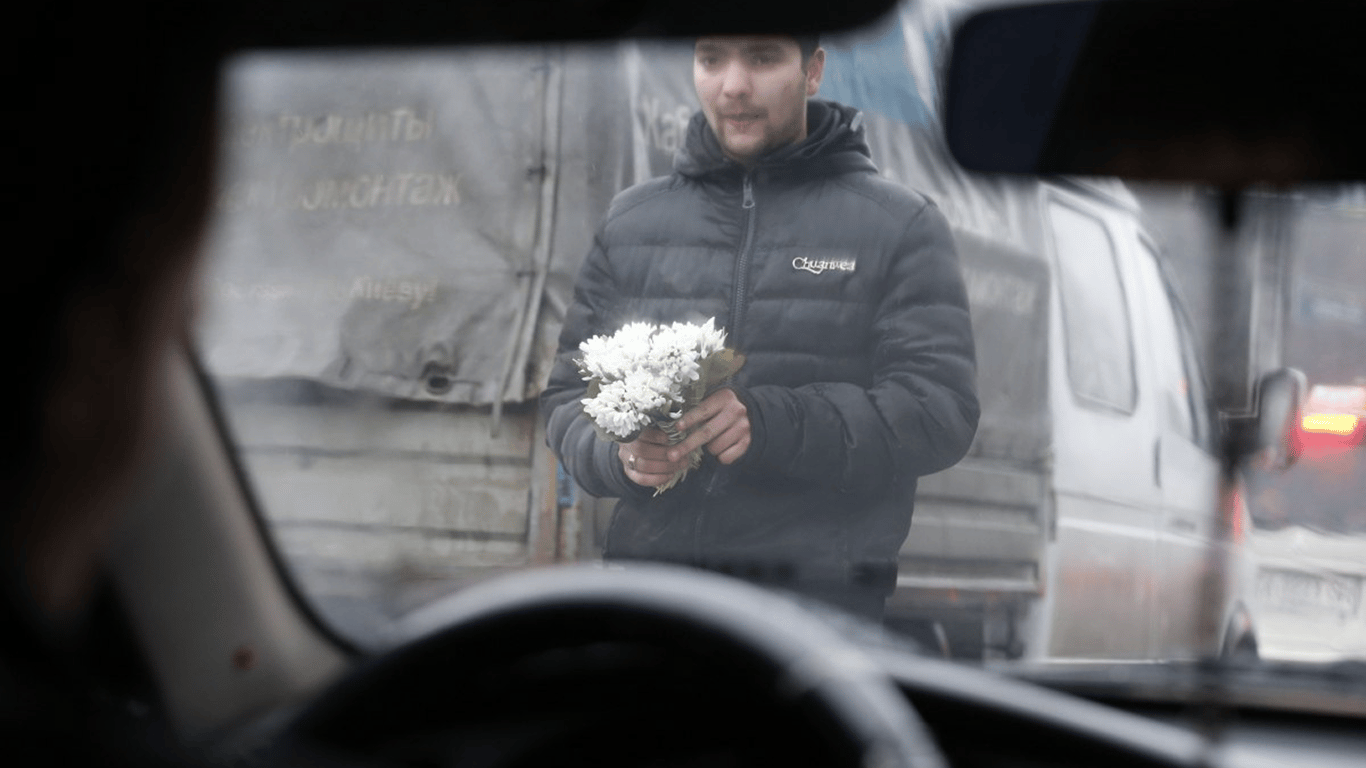
Ukraine Bans Picking and Selling Early Spring Flowers
According to Novyny.live: Ukraine has implemented a ban on picking and selling early spring wildflowers, with fines and administrative penalties for violators. This law, which makes the collection and sale of these plants illegal, is designed to protect rare species and preserve the country's biodiversity. These "first flowers" are a cherished sign of spring but are highly vulnerable to overharvesting.
Fines for illegally acquiring or selling common protected plants can reach up to 1,700 UAH in 2026. Stricter penalties apply for violations involving species listed in Ukraine's Red Book, where fines can be as high as 3,655 UAH. For directly destroying or illegally picking flowers from the wild, individuals may face fines of up to 510 UAH, while officials could be fined up to 850 UAH.
Compensation for each destroyed plant varies and can range from 49 to 62 UAH. Among the early spring flowers that are illegally targeted are species such as:
- Crocus (Saffron)
- Spring Adonis
- Snowdrop
- Scilla (Squill)
- Pasqueflower
- Wild Garlic (Ramsons)
According to Article 88-1 of Ukraine's Code of Administrative Offenses (CUAO), violating rules on the acquisition or sale of plants leads to administrative liability. Similar sanctions are stipulated for breaching plant protection rules under Article 90 of the CUAO.
The prohibition on gathering and selling these flowers aims not only to protect the plants themselves but also to safeguard natural ecosystems. Adhering to these established rules and norms is therefore crucial to ensure these valuable natural resources are preserved for future generations.
Environmental Protection Context
This ban on picking early spring flowers is part of a broader environmental protection strategy in Ukraine. High demand for these plants can lead to their mass destruction, making control over their collection essential for biodiversity conservation. The increasing fines for such violations reflect a growing societal focus on nature protection and environmental awareness.
Read also
- Teacher Fined in Ukraine for Using Russian in Classroom: Here’s What Happened
- Ukraine's Security Service Dismantles Fake Job Scheme for Draft Dodgers: Hundreds of Exemptions Sold for $5,000 Each
- Volunteer Threatened and Robbed of $11,000: Inside the Attack
- 150 Teens Already Employed in 2026: A Strong Start for Summer Youth Jobs
- War Transformed Her Life: Donetsk Teacher Creates Ukraine’s Largest Embroidered Shirt
- Kids Pick a Backpack in Seconds: What School Bags Must Offer in 2026