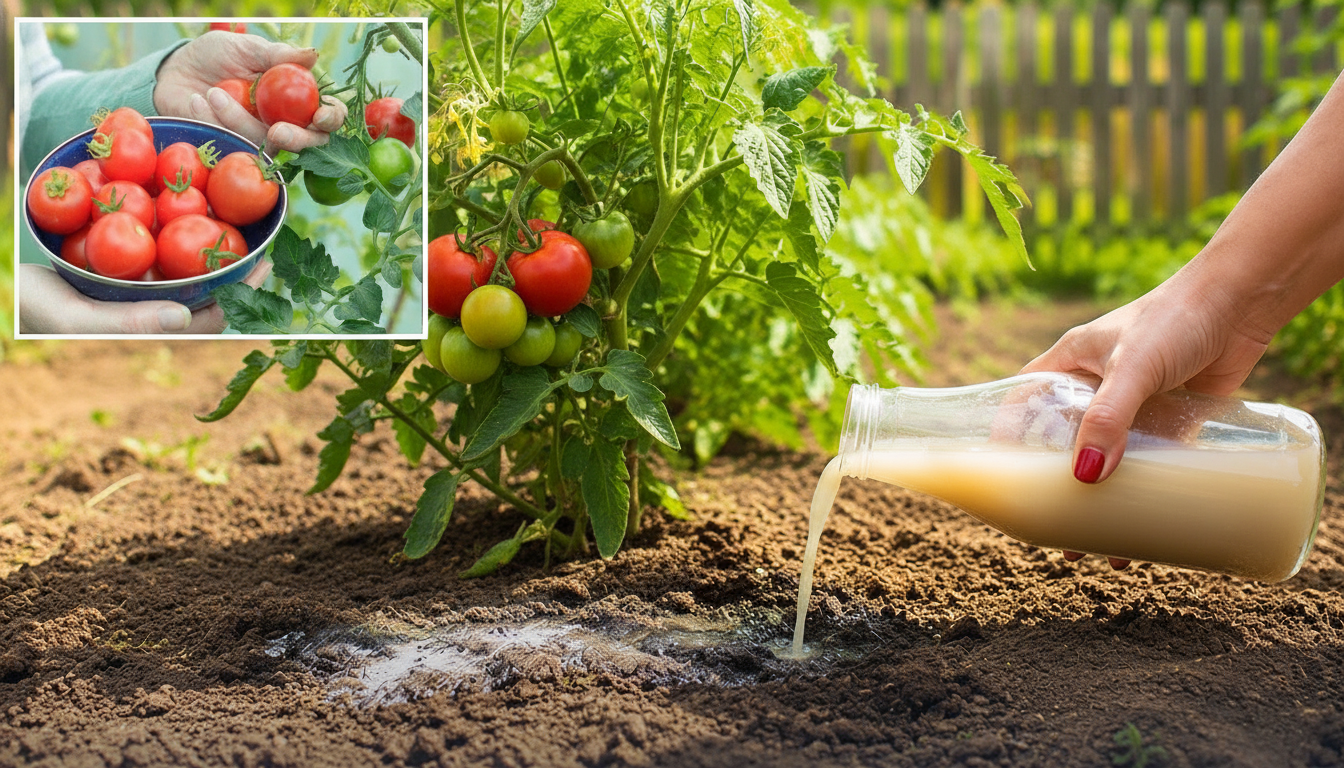
















Soaking Seeds Before Planting: Which Crops Need This Treatment.
Seed Soaking Before Planting
According to TSN.ua: As the vegetable planting season approaches, agronomists recommend soaking seeds prior to sowing. This practice improves germination rates and hardiness, which is especially important for certain plant species. For English-speaking gardeners, understanding these techniques can mean the difference between a thriving harvest and disappointing results. In this article, we explore which seeds require soaking, how to do it correctly, and which crops can be planted without any pretreatment.
Which Seeds Require Soaking Before Planting?
- Tomato seeds benefit from hardening before being placed in the ground.
- Pepper seeds must be soaked; otherwise, seedlings may take up to 20 days to appear.
- Celery, parsley, and carrot seeds should be rinsed in hot water for 20 minutes.
- Cucumbers, pumpkins, zucchini, and pattypan squash need to be pre-germinated.
- Beet seeds require soaking and germination only for late sowing; for spring planting, they should be kept dry.
How to Soak Seeds Before Sowing?
The ideal water temperature for soaking seeds ranges from +25°C to +27°C (77°F to 81°F), but it must not drop below +20°C (68°F). Dill, onion, parsley, and carrot seeds should be soaked for 48 hours. For zucchini, beet, cucumber, watermelon, cabbage, and tomato seeds, a soaking period of 17 to 18 hours is recommended. Peas and beans require 12 to 15 hours of soaking, especially when planting early in the season.
Which Seeds Should Not Be Soaked?
Peas, beans, and fava beans do not need germination for early planting. Skipping this step can simplify the growing process for some gardeners and save valuable time. By following these guidelines, you can significantly boost the success of your plantings in the upcoming season.
Adhering to agronomists' recommendations for seed soaking can greatly enhance both the quality and quantity of your harvest. This knowledge is valuable not only for seasoned gardeners but also for beginners aiming to succeed in vegetable cultivation. Understanding seed preparation helps avoid common mistakes and ensures healthy plant development throughout the new season.
Read also
- Chocolate Cake with Nut Caramel: A Recipe from Gospodynka
- 5 Key Composting Mistakes That Prevent Decomposition and How to Fix Them
- Perfect Cherry Compote Recipe Revealed: Exact Sugar and Berry Quantities
- 2026 Hair Trends Bring Back the 80s: Volume, Curls, and Princess Diana-Inspired Cuts
- Princess Diana’s Favorite Wedge Sandals Make a Major Comeback in 2026
- Chicken Manure as a Super Fertilizer: When and How to Apply It for Maximum Crop Yields