Why Ukraine's Loss-Making State Firms Pay Their Bosses Millions.

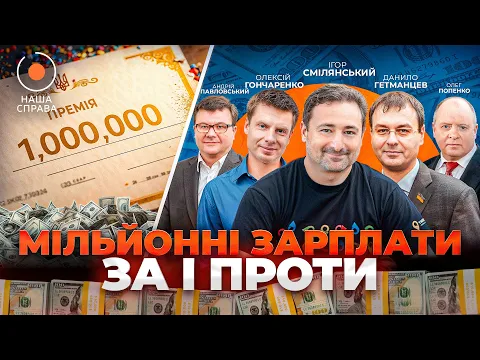
Executives at Unprofitable Ukrainian State Companies Receive Multi-Million Salaries
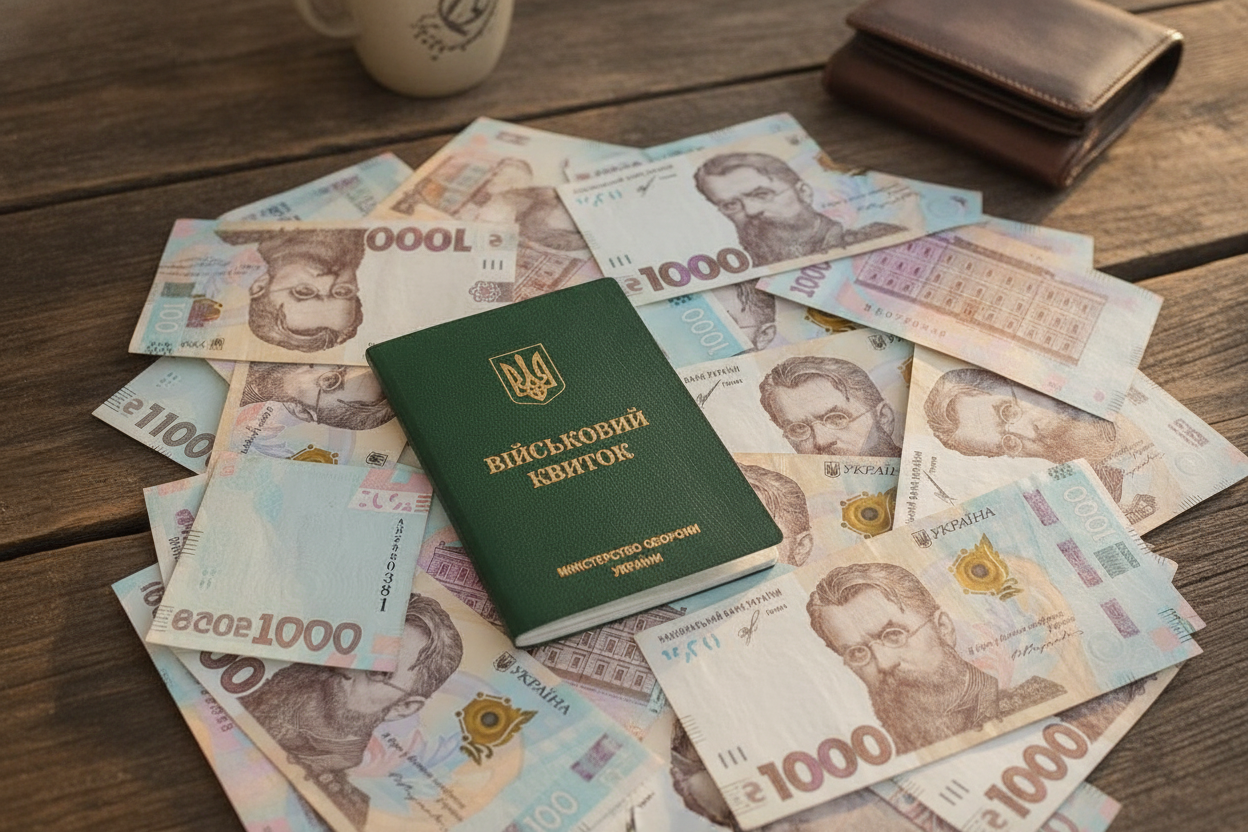
According to Novyny.live: Despite their companies' poor financial performance, executives at Ukraine's state-owned enterprises continue to draw exceptionally high salaries. For instance, Oleksiy Chernyshov, the head of one such state firm, earned 25.11 million hryvnias in 2024. This occurs against a backdrop of significant losses, with the national oil and gas company, Naftogaz, reporting a net loss of -1.6 billion hryvnias for 2023.
Although Naftogaz posted a profit of 54 billion hryvnias in 2024, serious questions remain about the overall management efficiency of state-owned assets. This situation highlights a persistent issue in Ukraine's post-Soviet economy: the misalignment between executive pay and company performance. Daniil Hetmantsev, head of the parliamentary finance committee, and MP Oleksiy Honcharenko are advocating for a complete overhaul of the executive compensation system. Their proposed reforms include:
- Imposing salary caps for managers;
- Tying bonuses directly to a company's financial results;
- Mandating the public declaration of all income.
Concurrently, many state enterprises are undergoing a change in their legal structure, converting into joint-stock companies and limited liability companies. Oleg Popenko has raised concerns that this restructuring could carry risks of a covert privatization of state assets. The current state of affairs demands urgent reforms to improve the financial health of these companies and ensure greater transparency in their governance.
The spectacle of multi-million salaries at loss-making state firms underscores deep-seated, systemic problems in Ukraine's public sector management. Calls for a new pay structure and transparent oversight mechanisms are seen as critical steps toward improving corporate efficiency. Implementing such changes could not only stabilize the finances of these vital companies but also help rebuild public trust in state institutions, a crucial need during wartime and recovery.
Read also
- Executive Pay in Ukraine's State-Owned Firms Sparks Public Debate
- Alexey Chernyshov Testifies on Tymur Mindich Ties: Israeli Meeting and Corporate Partnership
- Former Deputy Prime Minister Tschernyschow is suspected of land theft: The state has lost one billion
- The government has suspended Herman Halushchenko: who will head the Ministry of Justice
- The Anti-Corruption Prosecutor Mocked Vice Prime Minister Chernyshov (Photo)
- Deputy Prime Minister Chernyshov has been informed of suspicion: NABU revealed the details of the case