Being Removed from Military Registration Does Not Grant Immunity from Draft Offices: Legal Experts Warn of Consequences.

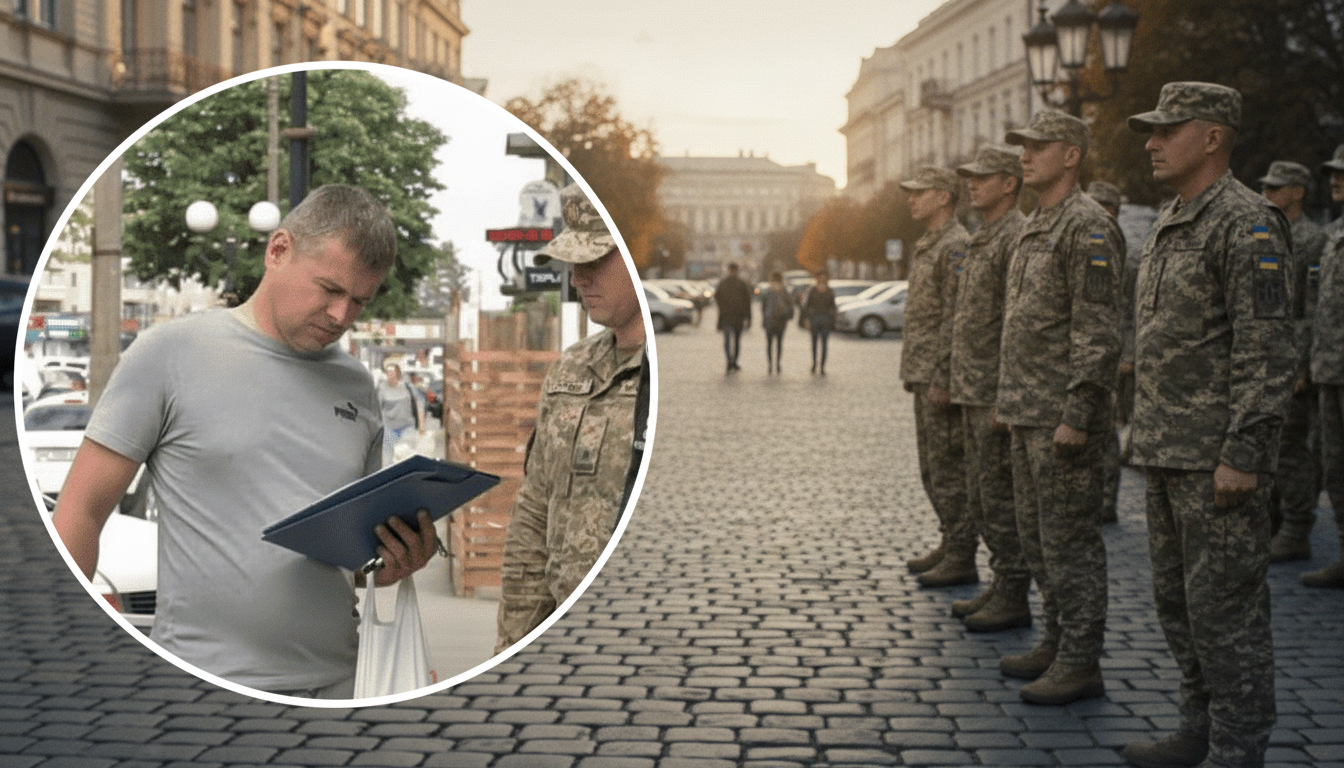
Understanding Removal vs. Exclusion from Military Records
According to Novyny.live: In Ukraine, the procedures for being removed or excluded from military registration carry distinct implications, especially amid ongoing mobilization. All Ukrainian males must register with the military starting at age 17. While removal from the rolls can occur after mobilization, exclusion is considered final and irreversible—meaning the individual is no longer subject to military service obligations.
A critical point to grasp is that even after being removed from registration, citizens remain under the authority of Territorial Centers for Recruitment and Social Support (known as TCCs in Ukraine). These centers' notification teams have the legal power to detain service members who have deserted their units. They can also apprehend conscripts, highlighting the strict oversight of military registration compliance.
Expert Commentary
Legal experts have weighed in on the seriousness of adhering to the law.
'Being removed from the register simply means you have been mobilized. So, moving around the city will only work until you run into the first patrol.' - Yuriy Ayvazyan
This underscores that mobilized individuals should expect potential checks by the TCC whenever they travel.
'If you encounter the TCC, you will be detained and sent to the military law enforcement service. And if you refuse to perform military service, you will face criminal liability.' - Vladyslav Deriy
This highlights the legal jeopardy for those who try to evade their military duties.
Overall, the process of removal or exclusion from military registration in Ukraine is complex and demands careful attention from citizens. Strict adherence to legal requirements is essential to avoid serious repercussions.
With mobilization still underway in Ukraine, military registration issues remain highly relevant. Individuals who have been removed from the rolls must recognize their ongoing responsibilities and the potential penalties for avoiding service. The laws governing these procedures are designed to maintain effective oversight of military obligations, a critical factor for national defense amid current challenges.
Read also
- Zelensky and Top Military Command Outline Response Plan to Russian Strikes
- EU's New Sanctions Package Targets Crypto Platforms Used to Bypass Restrictions
- New directives for Ukraine's National Security and Defense Council: Zelenskyy assigns tasks to Umerov and Klymenko
- Ukraine Extradites Former Lawmaker Demchak in Major Push to Bring Back Suspects
- EU Adopts 21st Sanctions Package Against Russia: What the New Restrictions Target
- Lithuania Accuses EU Nations of Undermining Sanctions for Their Own Economic Gain