Redefining Masculinity in the Democratic Party: The Contrasting Examples of Zohran Mamdani and Graham Platter.

The Growing Debate Over Masculinity in the U.S. Democratic Party
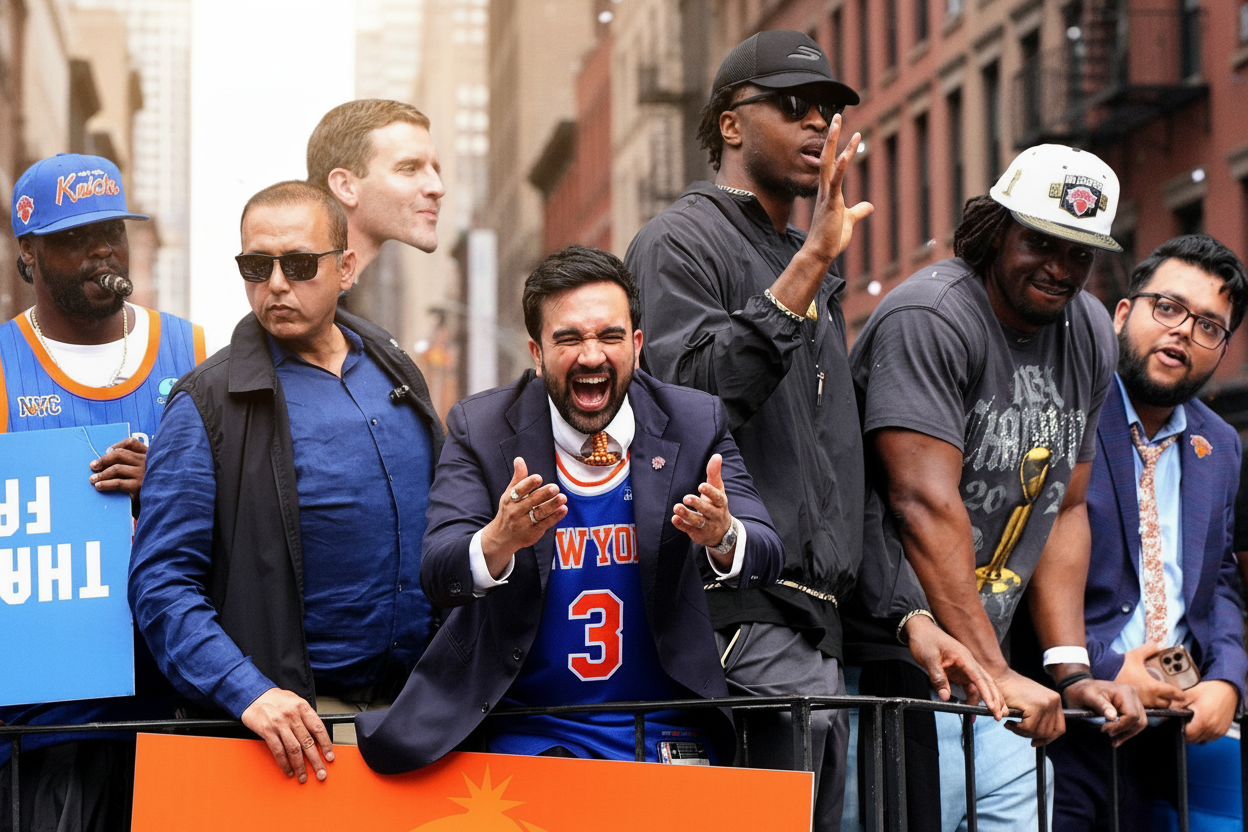
According to Vox - Загальний: Within the Democratic Party, a notable shift is underway regarding how masculinity shapes political appeal. This is especially evident when comparing two rising figures: New York City Mayor Zohran Mamdani and U.S. Senate candidate Graham Platter. Each represents a distinct form of male identity, influencing how they connect with voters and the broader political climate.
Zohran Mamdani, elected mayor of New York City in 2025, has drawn significant support from male voters, securing 50% of their votes. He also captured 9% of voters who backed Donald Trump in 2024, demonstrating an ability to appeal across partisan lines. Voter registration surged during the 2025 election cycle, and turnout in the general election hit a 50-year high—signs of growing public engagement with politics.
Comparing the Approaches of Mamdani and Platter
Graham Platter, a Senate candidate from Maine, also brings attention to the theme of masculinity, though his style and voter impact may differ. Reflecting on Mamdani’s approach, Pavan Dhinngra commented:
“His vision, whether you like it or not, is extraordinarily bold and direct.” - Pavan DhinngraThis highlights Mamdani’s ability to project a clear vision and attract voters seeking fresh political strategies. Hasan Piker described Mamdani by saying:
“Zohran is a good comrade.” - Hasan PikerThe comparison between Mamdani and Platter opens new avenues for understanding how different expressions of male identity can shape electoral outcomes and voter behavior within the Democratic Party.
This dynamic underscores the growing importance of masculinity in modern politics, where voters increasingly weigh personal traits alongside policy platforms. Amid rising political polarization, Mamdani’s capacity to engage diverse social groups could become a critical factor in his political success. Analyzing these trends reveals how evolving ideas about masculinity are influencing the formation of new political alliances and strategies inside the Democratic Party.
Read also
- Zelensky and Top Military Command Outline Response Plan to Russian Strikes
- EU's New Sanctions Package Targets Crypto Platforms Used to Bypass Restrictions
- New directives for Ukraine's National Security and Defense Council: Zelenskyy assigns tasks to Umerov and Klymenko
- Ukraine Extradites Former Lawmaker Demchak in Major Push to Bring Back Suspects
- EU Adopts 21st Sanctions Package Against Russia: What the New Restrictions Target
- Lithuania Accuses EU Nations of Undermining Sanctions for Their Own Economic Gain