How the liberation of Sloviansk and Kramatorsk 12 years ago still shapes Donetsk’s defense today.

The Liberation of Sloviansk and Kramatorsk
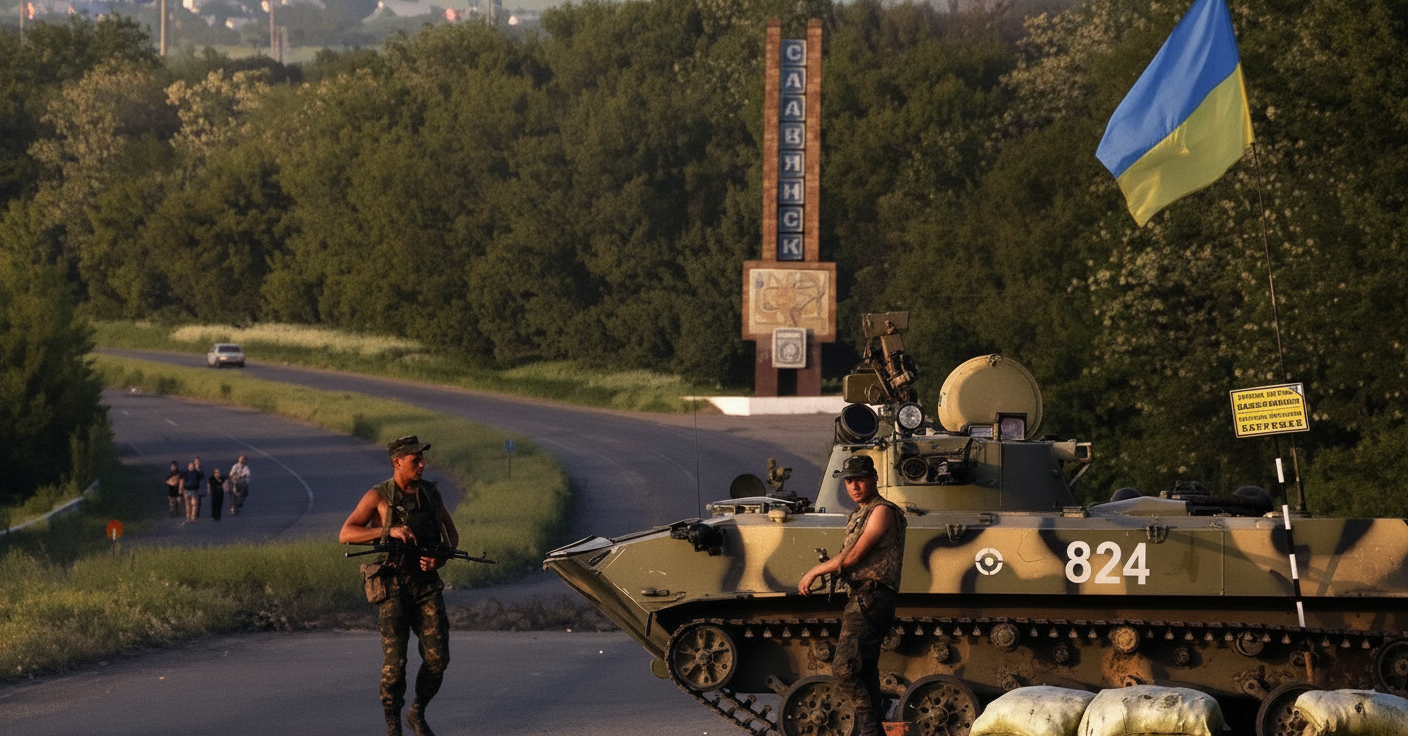
According to Espreso.tv: On July 5, 2014, Ukrainian forces reclaimed the cities of Sloviansk and Kramatorsk from Russian-backed militants. This event marked a pivotal moment in the region’s history, following the seizure of administrative buildings in Sloviansk on April 12, 2014, by armed militants led by Igor Girkin. The escalation prompted the National Security and Defense Council of Ukraine to launch the Anti-Terrorist Operation on the night of April 12–13, 2014—a decision that ignited full-scale hostilities in Donetsk Oblast. To provide context for an international audience, this operation was a direct response to Russia’s covert military intervention in eastern Ukraine, which had begun with the annexation of Crimea earlier that year.
On July 4, 2014, Ukrainian troops regained control over the town of Raihorodok and the villages of Riznykivka and Rai-Oleksandrivka, and also liberated the city of Mykolaivka. These advances set the stage for the recapture of Sloviansk and Kramatorsk the following day. After its liberation, Kramatorsk became the administrative capital of the Ukrainian-controlled portion of Donetsk Oblast, underscoring its strategic importance in the region.
The Current Situation in the Region
Today, the Sloviansk-Kramatorsk urban agglomeration serves as Ukraine’s primary defensive stronghold in Donetsk Oblast. However, the region is once again under severe threat as hostilities continue. Vadym Filashkin, a participant in the 2014 events, expressed his gratitude:
I thank everyone who liberated northern Donetsk in 2014. — Vadym Filashkin
Victor Taran highlighted the region’s geographic features, noting:
This is a belt of cities and industrial zones, river valleys and dominant heights, transformed into a fortified line. — Victor Taran
More than a decade later, the area faces renewed danger, demonstrating how the historical events of 2014 remain relevant to the present-day conflict.
The liberation of Sloviansk and Kramatorsk was a crucial step in Ukraine’s fight against Russian aggression, as these cities are key to maintaining control over Donetsk Oblast. Amid the current wave of military operations, the lessons and strategies developed during the 2014 conflict are proving vital for Ukrainian forces. The situation in the region remains precarious, with local civilian support and stability in the conflict zone more critical than ever.
Read also
- Zelensky and Top Military Command Outline Response Plan to Russian Strikes
- EU's New Sanctions Package Targets Crypto Platforms Used to Bypass Restrictions
- New directives for Ukraine's National Security and Defense Council: Zelenskyy assigns tasks to Umerov and Klymenko
- Ukraine Extradites Former Lawmaker Demchak in Major Push to Bring Back Suspects
- EU Adopts 21st Sanctions Package Against Russia: What the New Restrictions Target
- Lithuania Accuses EU Nations of Undermining Sanctions for Their Own Economic Gain