11 Plants to Avoid Near Your Home and What to Grow Instead.

Choosing the Right Plants for Your Garden
According to Novyny.live: Selecting plants for your garden and the area around your home is a crucial step in landscape design. However, certain species can pose a significant threat to local ecosystems and soil health. Invasive ornamental plants spread aggressively, outcompeting native flora and depleting soil nutrients. For this reason, it's wise to learn about 11 plant varieties best kept away from your home's foundation and to consider safer, non-invasive alternatives. This is especially important in North America and Europe, where many popular garden plants have become problematic invaders.
Invasive Species to Exclude
The following plants are not recommended for planting near your home:
- Japanese spirea
- Chinese wisteria
- Kudzu
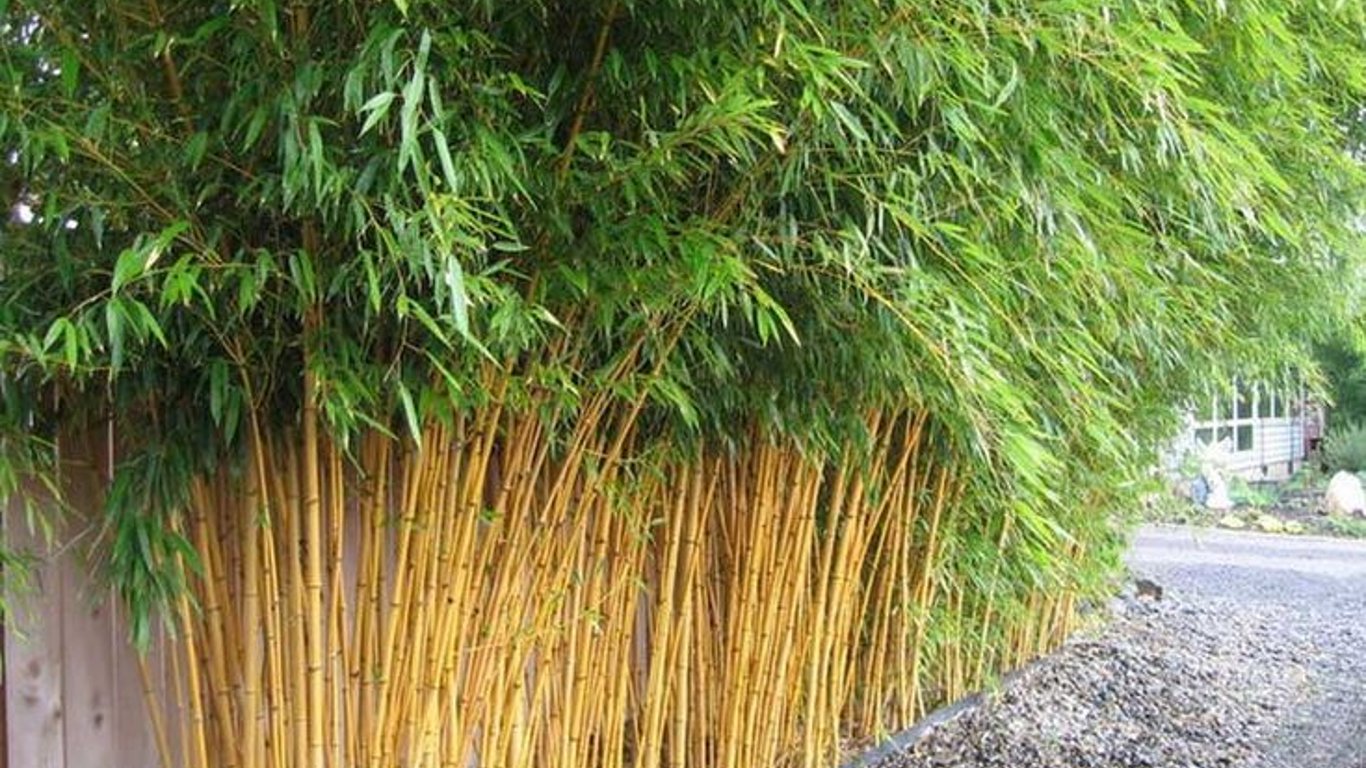
- Bamboo
- Norway maple
- Purple loosestrife
- Periwinkle (Vinca minor)
- Japanese knotweed
- Heavenly bamboo (Nandina)
- Privet
- English ivy
These species can grow rapidly and become difficult to control. Maintaining a healthy garden requires their regular removal and specific measures to prevent further spread.
Recommended Native and Non-Invasive Alternatives
Fortunately, numerous attractive alternatives can replace invasive plants. Consider these options:
- Joe-Pye weed
- American wisteria
- Creeping Jenny (in controlled settings)
- Miscanthus
- Red maple
- Creeping phlox
- Creeping thyme
- Holly
- Dogwood
- Winterberry
- Viburnum
- Elderberry
- Boston ivy
These plants are not only decorative but also contribute to a balanced ecosystem and support soil health.
In conclusion, when choosing plants for your property, avoid invasive species that can harm the environment and your garden. Opt instead for safer, beneficial alternatives that will help create a harmonious and sustainable landscape. Making informed planting choices is a key part of responsible gardening and helps protect local biodiversity for the future.
Read also
- Three Ukrainians Without Documents Rescued from Occupied Territories Under Bring Kids Back UA Initiative
- Ukraine’s first underground kindergarten opens in Kharkiv, accommodating 260 children
- Ukraine's ports crippled by Russian strikes: 28 vessels hit, 21 killed
- 24 Children Rescued from Occupied Territories by Save Ukraine, Including Injured 13-Year-Old Anhelina
- Woman Faces Up to 7.5 Years in Prison After Attacking Children for Speaking Ukrainian in Poland
- One of the Most Recognizable Voices on Ukrainian Radio, Journalist Oleksandr, Has Passed Away