Apricot Cultivation in Ukraine: Prime Growing Regions and Key Harvest Risks.

Apricot Cultivation in Ukraine: Prime Growing Regions and Key Harvest Risks
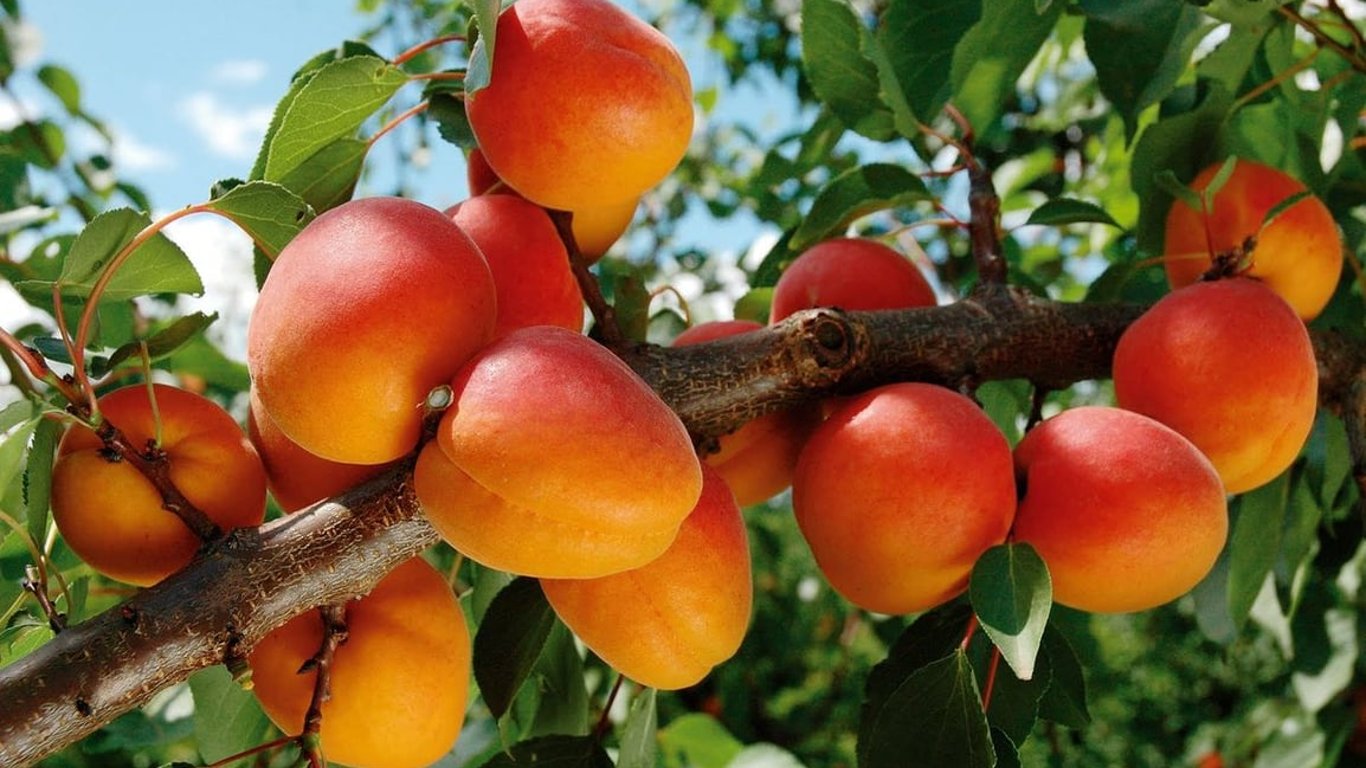
According to Novyny.live: Apricot is a popular fruit crop in Ukraine, but its cultivation comes with specific challenges and risks. The most favorable zone for growing apricots is located on the border of Odesa and Cherkasy regions, where the trees thrive due to sufficient cumulative effective temperatures. In Ukraine, apricots develop well only in regions where climatic conditions are conducive to their growth. Apricots are a valuable export crop, making their successful cultivation a significant economic concern for the country's agricultural sector.
Despite these favorable conditions, apricot farming is fraught with certain hazards. Apricot trees bloom earlier than other fruit crops, making them especially vulnerable to spring frosts. An early exit from dormancy can lead to significant crop losses. Furthermore, in southern and central zones, apricots are subjected to sharp temperature fluctuations, which also negatively impacts tree development.
Primary Risks in Apricot Cultivation
The main risks associated with growing apricots include:
- Early sap flow and premature flowering;
- High sensitivity to spring frosts;
- Unstable fruiting patterns;
- The need for protection against spring sunscald.
These factors can substantially affect both the quantity and quality of the harvest. It is therefore crucial for orchardists to be aware of them when planning to cultivate this crop.
Cultivating apricots is an important part of Ukraine's agricultural sector, as the fruit is in high demand both domestically and for export. Understanding the risks linked to apricot farming can help agricultural producers develop effective strategies to minimize losses and boost productivity. Given ongoing climate change, it is also vital to monitor new agronomic practices that could help mitigate the impact of adverse weather conditions on crop yields.
Read also
- Three Ukrainians Without Documents Rescued from Occupied Territories Under Bring Kids Back UA Initiative
- Ukraine’s first underground kindergarten opens in Kharkiv, accommodating 260 children
- Ukraine's ports crippled by Russian strikes: 28 vessels hit, 21 killed
- 24 Children Rescued from Occupied Territories by Save Ukraine, Including Injured 13-Year-Old Anhelina
- Woman Faces Up to 7.5 Years in Prison After Attacking Children for Speaking Ukrainian in Poland
- One of the Most Recognizable Voices on Ukrainian Radio, Journalist Oleksandr, Has Passed Away