Decoding the Kremlin's Nuclear Threats: Who's Behind Them and What They Really Mean.

Moscow's Nuclear Posturing and Global Security
According to UATV: The Kremlin's nuclear rhetoric and its impact on international security, particularly concerning the war in Ukraine and European stability, is a major topic of discussion among analysts. These threats, which intensified around the anniversary of Russia's full-scale invasion of Ukraine in 2022, heighten global tensions and cast doubt on regional security. This pattern of escalation is a familiar tactic in modern geopolitical confrontations.
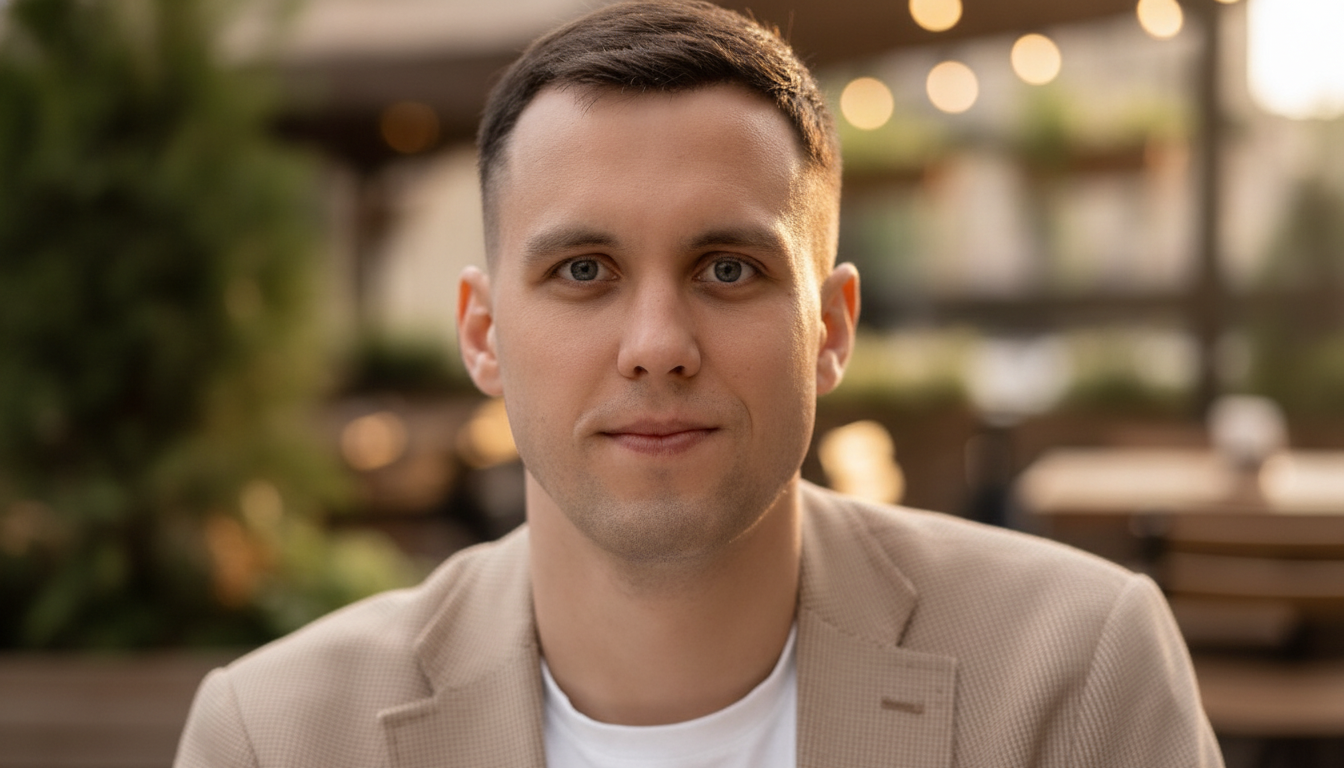
Oleksiy Izhak, Head of a Department at the National Institute for Strategic Studies, suggests such statements signal Russia's struggles in other areas. He noted:
"When all this nonsense starts—whether it's talk of 'French nuclear weapons' in Ukraine or some Russian deployment in Belarus—it's a good sign in the sense that Russia is doing poorly in all other matters."Therefore, Moscow's aggressive language may point to its internal difficulties and strategic weaknesses.
France's Response and Its Impact on Russia
Simultaneously, France's plans to present a new nuclear doctrine have drawn the Kremlin's attention. Izhak comments on this situation, stating:
"The Kremlin read the same thing in the media that we did—that President Macron intends to present a new doctrine—and decided to create hype around it."This indicates that Russian authorities are attempting to manipulate information within the international dialogue on nuclear security.
Experts also warn that statements from figures like Dmitry Medvedev can have serious real-world consequences for military and intelligence personnel. As one expert notes:
- "For several hundred people in this world—military and intelligence officers—these statements from Medvedev and others reduce the hours of sleep and peaceful life they get."
Furthermore, Izhak emphasizes that in the context of current threats, European security is heavily dependent on the situation in Ukraine. "In Europe, there is Ukraine. One could say that Ukraine is now the 'nuclear bomb' that deters any Russian attack on other European countries," he says, highlighting Ukraine's crucial role in containing Russian aggression. This underscores how the frontline in Ukraine is currently the primary bulwark for broader European defense.
Thus, Moscow's nuclear rhetoric and its influence on international security remain a critical issue, especially amid rising tensions in Europe surrounding Ukraine. This situation demands careful monitoring by the international community to prevent further escalation of the conflict.
The situation surrounding Russia's nuclear rhetoric reflects not only the Kremlin's foreign policy but also its domestic challenges. Given the increasing strain in international relations, particularly in the context of the war in Ukraine, it is vital for the global community to remain vigilant against potential conflict escalation. The interaction between nuclear powers and the shared responsibility to prevent nuclear threats must remain a priority on the international political agenda.
Read also
- Russia Claims Capture of Kostiantynivka; Zelenskyy and Military Dismiss It as a Hoax
- September Elections in Russia: How War Veterans Are Being Positioned as the New Political Elite
- Poland Revokes Zelenskyy's Order: Reactions from Sikorski and Medvedev
- Russian Drone Strikes a Residential Building in Romania: Is NATO Ready for a New Threat?
- No New Mobilization in Russia, Says Peskov: What It Means for Ukraine
- Estonia Faces Hybrid Warfare Threat as Kremlin Targets Russian-Speaking Narva