






The First Post-War Elections in Ukraine: How to Overcome Challenges and Maintain Legitimacy.
According to ТСН: After the end of martial law, Ukraine will face a unique task – organizing the first post-war elections. This issue is not only about the calendar but also about the viability of our democracy. How to conduct voting in conditions of destroyed infrastructure, with millions of voters abroad and outdated registries?
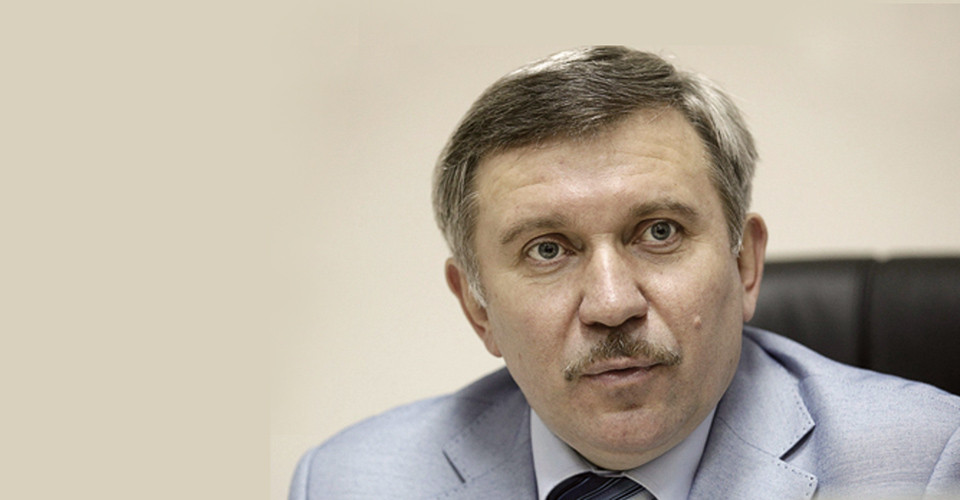
Andriy Mahera, an expert at the Center for Political and Legal Reforms and former deputy chairman of the Central Election Commission (2007–2018), discusses the risks and proposes a plan for a legitimate electoral process in his article.
According to the Constitution, Ukraine is a democratic state, where the only source of power is the people. However, the full-scale aggression of Russia and the introduction of martial law have significantly changed the political reality, limiting electoral rights and political freedoms. The discussion about elections today should focus on the conditions under which they can be recognized as legitimate, the expert emphasizes.
The Constitutional Foundation: Five 'No's' That Cannot Be Violated
The foundation of any electoral process in Ukraine remains the Constitution. Andriy Mahera emphasizes five inviolable principles of electoral law: elections must be free, general, equal, direct, and conducted by secret ballot.
These principles are not just words, but strict boundaries. Any deviation from them, even due to the consequences of the war, automatically makes the process illegitimate.
Special Law: Why It Is Needed and What It Should Include
The expert argues that a special law is necessary for conducting post-war elections. This document should complement the Electoral Code, not replace it, and cease to be in effect after the elections.
What risks exist? The existing system with open regional lists has vulnerabilities that can become critical in post-war conditions. The biggest problem is the privileged position of the first nine candidates in the party's nationwide list.
"They are not tied to any electoral region and receive mandates in priority order, which contradicts the principle of equal electoral rights,"
— notes the study's author.
Mahera proposes an effective correction: secure all candidates without exception to regions, so that the 'leaders of the list' undergo the same electoral assessment by voters as ordinary party members.
The special law should also regulate 'force majeure' aspects:
Determining the starting date of the process and the day of voting.
New territorial organization of elections (districts, precincts).
Special features of voter lists considering migration.
Specifics of voting for military personnel and refugees.
Meanwhile, the expert notes that the electoral system for presidential elections is significantly more stable and does not require radical revision.
Ruined Geography: How to Redraft the Map of Districts
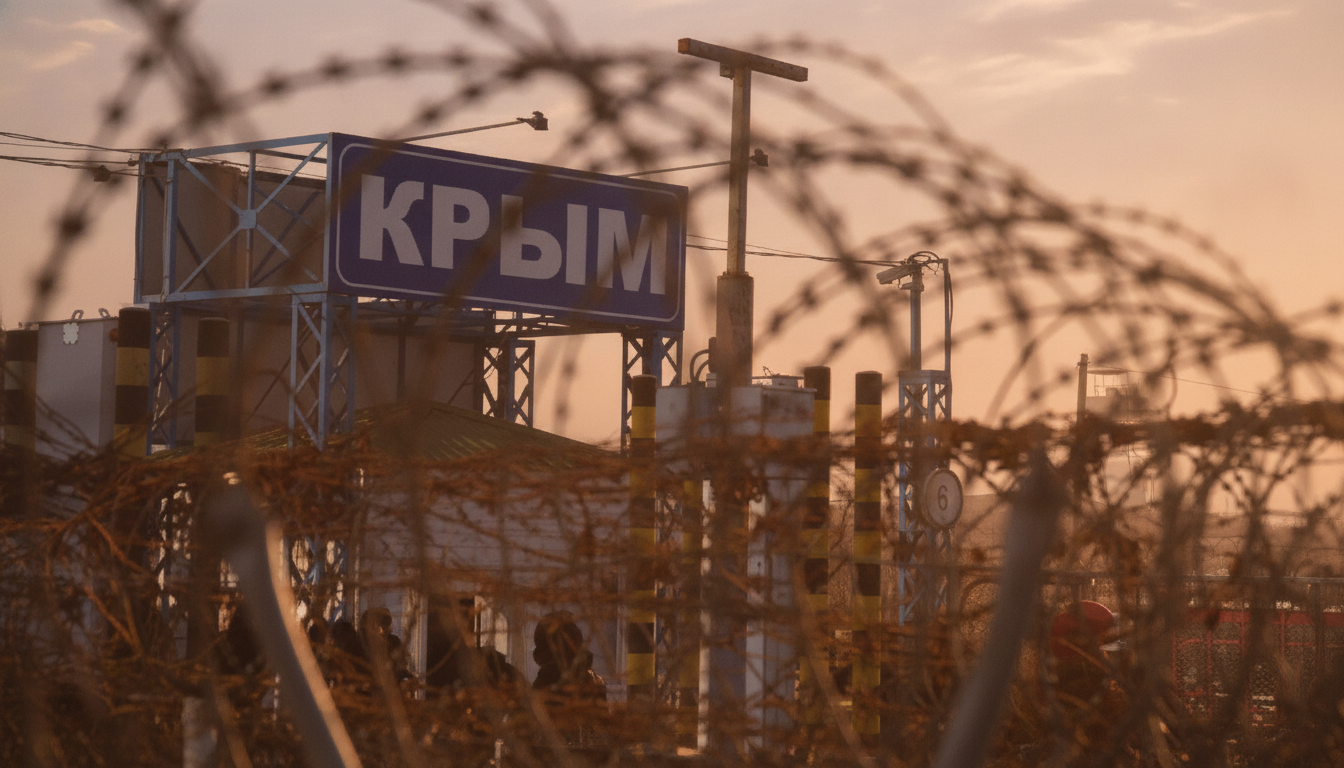
Russia's aggression has changed not only the fates of people but also the physical map of the electoral process. The existing system of districts and regions was planned for peacetime, and currently, part of the territories is occupied, and dozens of districts are virtually not controlled by the Ukrainian authorities.
"Under such conditions, the list of electoral regions and districts needs to be revised,"
— Mahera believes.
Furthermore, the infrastructure is significantly destroyed. According to the Central Election Commission, more than 7,500 polling places have been damaged or destroyed. Without their restoration or the creation of new polling stations, especially modular ones, holding elections in many communities will be impossible. Mahera emphasizes the need to review the network of polling stations: eliminating those where the population has disappeared and creating new ones in places with a concentration of internally displaced persons.
Millions Abroad: How to Avoid Collapse
One of the biggest challenges is ensuring the voting rights of millions of Ukrainians who have gone abroad. Current foreign polling places have low throughput: even with perfect organization, one polling station can accommodate a maximum of 6,500 to 7,000 people. This leads to huge queues and effectively results in the loss of voting rights for the majority of Ukrainians who have left.
Moreover, voters abroad are currently discriminated against: they can vote for a party, but cannot influence the promotion of specific candidates on the lists (there is no preferential vote).
Andriy Mahera proposes two ways to address this issue, which require legislative changes:
Creating a separate foreign electoral region with its own list of candidates.
Including foreign polling places in the Kyiv city electoral region (as locations of the Ministry of Foreign Affairs).
To increase throughput, it is advisable to open additional polling places outside diplomatic institutions (with the consent of the host countries) or create two polling stations in one embassy building if the space permits.
Why 'Diia' and Mail Are a Bad Idea
Discussing ways to relieve polling stations, the expert categorically rejects the introduction of electronic voting in the first post-war elections.
"Electronic voting is currently the riskiest option due to low trust and threats of interference in IT systems,"
— Mahera is confident.
Voting by mail is also not a panacea: it does not eliminate the risks of bribery or pressure on voters and also places Ukraine at the mercy of the postal infrastructure of other countries. The most realistic tool, according to Mahera, is to extend the voting time on election day, for example, from 7:00 AM to 10:00 PM.
Military Personnel and IDPs: Special Conditions
For internally displaced persons, it is proposed to simplify the procedure for changing the voting location by making it accessible through the electronic voter cabinet. However, the expert insists on maintaining deadlines for such changes to avoid chaos with lists on election day.
For military personnel, it is essential to ensure both active and passive voting rights. Andriy Mahera emphasizes that the time of service, being on the front lines, or in captivity should count towards the residency requirement, as these are circumstances beyond the individual's control. It is also necessary to foresee the creation of special polling stations at the locations of military units.
The Central Election Commission has also reported changes to the rules. Chairman Oleg Didenko stated that elections in Ukraine after the war will not take place according to the standard procedure.
Read also
- Ukraine's Electoral Commission Proposes Six-Month Lead Time for Post-War Elections
- Ukraine's Post-War Elections: The Challenge of Voting for Refugees, Soldiers, and Occupied Territory Residents
- Why Ukraine Cannot Hold Its First Postwar Elections Now
- Ukraine's Election Commission Outlines Plan for Military Voting
- The CEC calls for the adoption of a law on post-war elections: what will change for Ukrainians
- The CEC wants to require candidates to declare ties with the Russian Federation: what will change