The Murder of Charlie Kirk: How Internet Memes Foster Real-World Violence.

According to Vox: The discovery of shell casings found during the investigation of the murder of Charlie Kirk indicates that the suspect, Tyler Robinson, communicated in meme language.
Inscriptions on the shell casings such as 'Hey fascist! Catch this!', 'If you're reading this, you’re GAY, lol' and 'Oh, Bella ciao...' indicate the complex ideological nature of such statements — they are filled with irony, sincerity, and references to various online communities and video games.
In a conversation with a neighbor, which law enforcement recounted in the indictments, Robinson comments on this inscription, calling it 'essentially a big meme.'
“If I see ‘notices bulge uwu’ on Fox News, I might have a stroke,”he reportedly stated.
This brutality indicates a weak connection between reality and the bizarre meme culture, which, as shown in recent years, can also lead to acts of violence. Meme culture has become evident in mass shooting cases since 2019. It has also been reflected in the murder of insurance company CEO Luigi Maggioni, as well as in school shootings this year in Wisconsin and Minnesota.
Part of Meme Culture and Its Impact
We reached out to Ella Reeve, a CNN correspondent investigating dangerous corners of the Internet that cause severe harm in real life. Reeve is the author of the book Black Pill: How I Witnessed the Darkest Corners of the Internet Come to Life, Poison Society, and Capture American Politics, which examines how men immerse themselves in the darkness of online communities, and as she noted,
“they talk to themselves about strange, brutal, or violent acts, as it all started just as jokes.”
It's been almost a week since the murder of Charlie Kirk. What do we know about his suspected killer, Tyler Robinson?
At this point, we know very little about him. He is a young man who many describe as smart and quiet. According to his mother, he has a good ACT score, but he dropped out of university after the first semester. He was into video games. Investigators say he was communicating with his neighbor, [who, according to their testimonies, is transgender].
Content of Inscriptions on Shell Casings
The first batch of information about this suspect became known when investigators revealed what he wrote on the shell casings. What exactly did he write?
On one of the casings, it says 'Notices bulge OWO what’s this?' — this is a furry meme that sparked numerous questions due to its ambiguity. This phrase can evoke conflicting feelings. It is important to mention that many people are trying not to politicize it, as it is too convoluted.
What about the other inscriptions?
On the second casing, there is the inscription 'Hey fascist! Catch this!' — this refers to the video game Helldivers 2, which has a satirical undertone regarding fascism. Another casing contains the inscription 'Bella Ciao, Bella Ciao, Bella Ciao, Ciao, Ciao' — this is an old anti-fascist song, familiar to most historians, which became popular due to the series Money Heist.
Connection Between Subcultures and Online Environment
This indicates the leftist views of this man, right?
Yes, probably. He primarily focuses on video games with an ironic undertone, which often leads to misunderstandings of authors' statements, apart from a sense of belonging to a particular group, while the rest do not understand them.
What do we know about the online spaces where Tyler lived?
It is known that he had an account on Discord, a community where various political views intersect — from anti-fascists to right-wingers and even incels.
The culture that can become a bubble for intense group thinking is important. However, Discord has confirmed that Tyler Robinson had an account with a group of about 30 friends.
Memes and the Task of Internet Culture
Can these casings with memes become new manifestos?
It is quite likely. Many mass shooters or public criminals reference each other. The first time this became evident was the Christchurch shooter in 2019, who wrote several memes on his weapon before attacking two mosques.
Politicians and ordinary people ask, how big is this culture? How does it affect the consciousness of the youth?
Can we expect even more absurdity in the actions of offenders in the future?
Depending on the subculture, future generations may adopt such absurd manifestations, as this is a significant part of online culture today.
What can be done to prevent this?
Studies show that loneliness and alienation in children can lead to aggression. It is important to prevent youth from accessing dangerous online communities.
Read also
- Three Ukrainians Without Documents Rescued from Occupied Territories Under Bring Kids Back UA Initiative
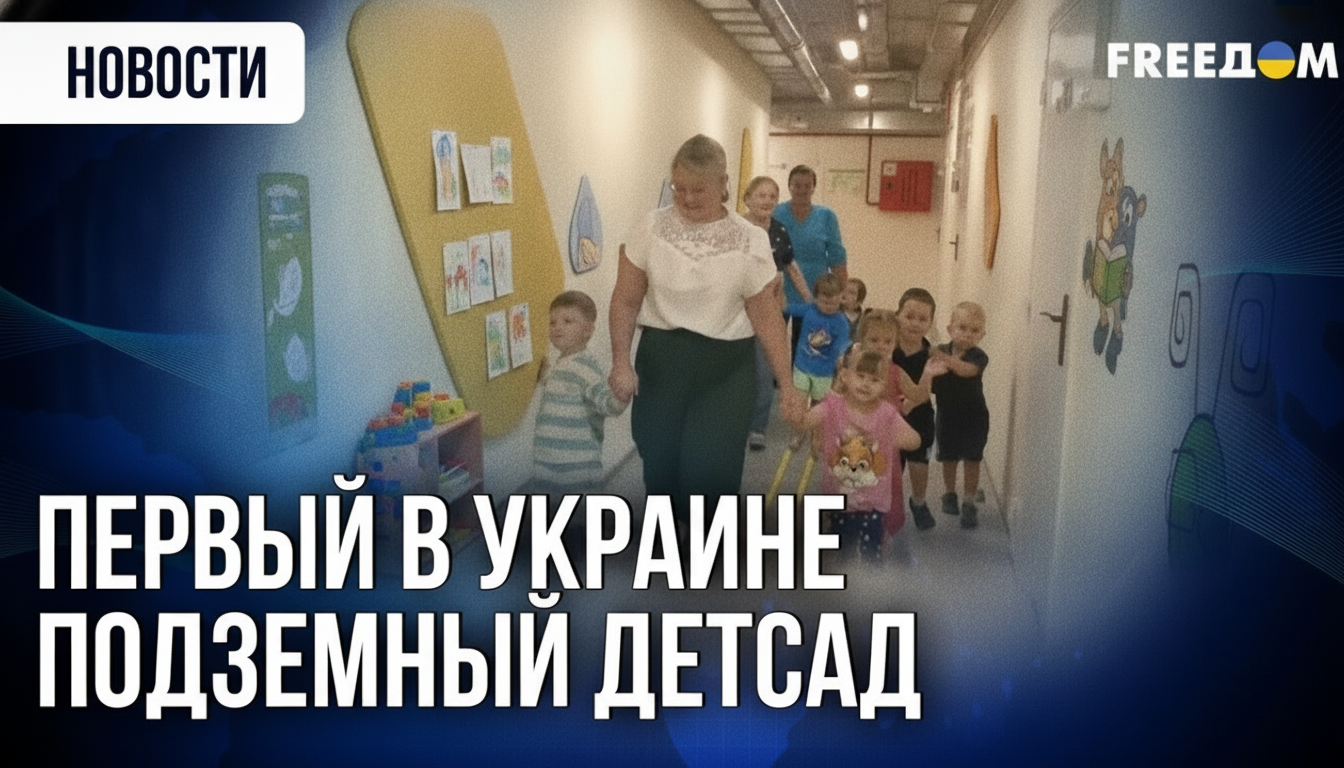
- Ukraine’s first underground kindergarten opens in Kharkiv, accommodating 260 children
- Ukraine's ports crippled by Russian strikes: 28 vessels hit, 21 killed
- 24 Children Rescued from Occupied Territories by Save Ukraine, Including Injured 13-Year-Old Anhelina
- Woman Faces Up to 7.5 Years in Prison After Attacking Children for Speaking Ukrainian in Poland
- One of the Most Recognizable Voices on Ukrainian Radio, Journalist Oleksandr, Has Passed Away