The 'AWFUL' Label: A Critical Look at Affluent White Liberal Women in U.S. Politics.

The Origins of the 'AWFUL' Term
According to Vox - Загальний: The acronym AWFUL (Affluent White Female Urban Liberal) emerged within right-leaning U.S. political discourse towards the end of President Joe Biden's term. It has since become a focal point for analysis critiquing the conduct and influence of wealthy white liberal women. In 2024, the Washington Examiner expressed concern over the powerful sway of AWFLs on the mayor of Alexandria, Virginia, suggesting their attitudes could shape the national political landscape.
Social Events and Political Impact
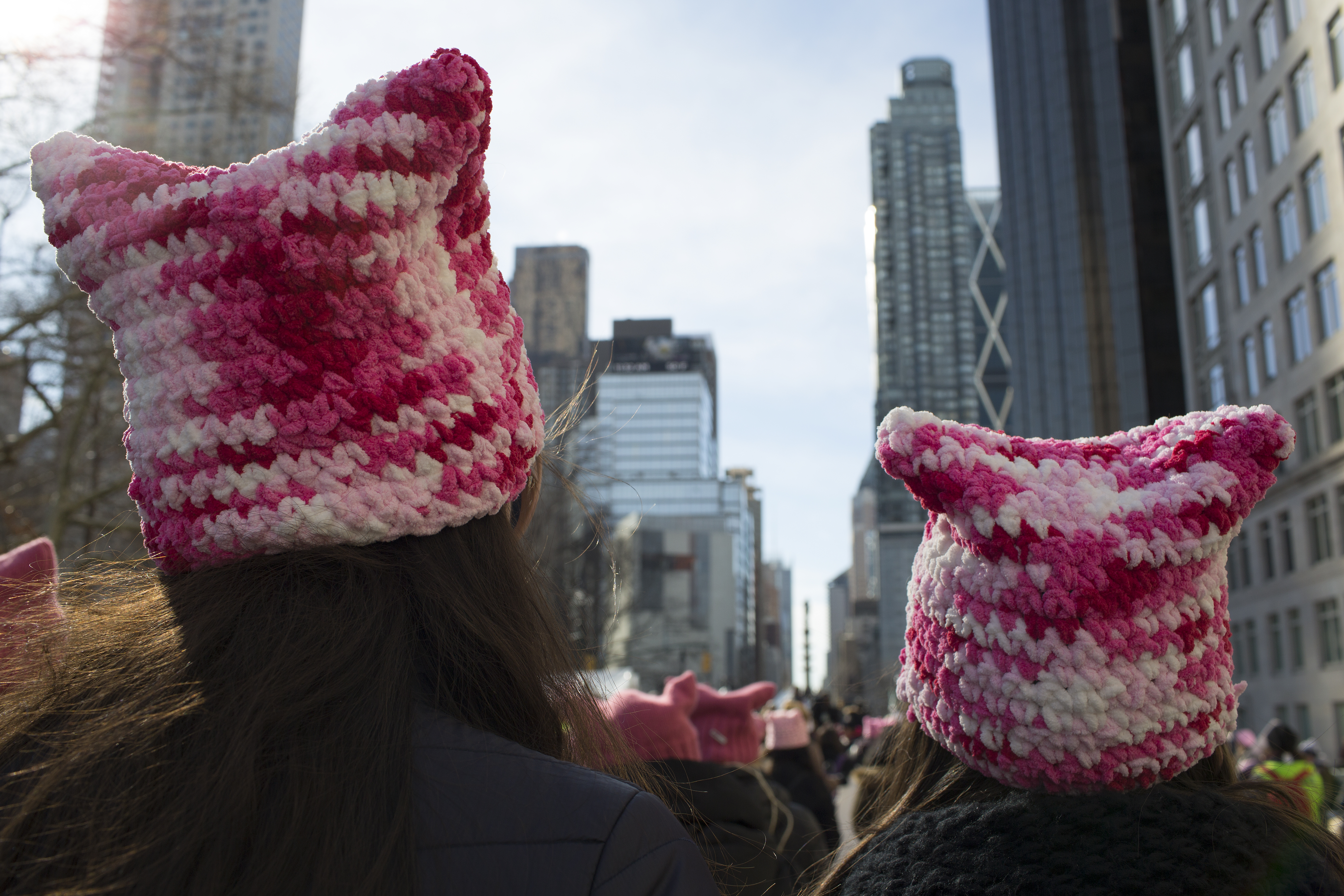
The term's rise is linked to a series of recent societal events. The inaugural Women's March in 2017 was a landmark moment for the feminist movement. The following year, the 2018 Women's March was accompanied by reports of problematic behavior by white feminists, sparking debate about their public image. In 2020, the 'Karen' meme gained popularity, highlighting negative stereotypes associated with certain white women.
By 2024, prominent Democrats began voicing worries that liberal women were damaging the party's brand. This issue intensified following the 2026 murder of Rene Good, a woman labeled as AWFUL. Her death fueled discussion, and the AWFUL meme gained traction. A video of Good and her partner provoking ICE agents became one of many examples that generated public outrage.
As commentator David Marcus noted, such incidents have formed the basis for criticizing the behavior of liberal women.
Democrat James Carville emphasized that Democrats were dominated by 'too many preachy women,' underscoring a perception that their conduct affects political processes. This phenomenon is part of a broader cultural and political reckoning in America concerning privilege, performative activism, and electoral strategy. Thus, the term AWFUL and its critical connotations have become significant elements of contemporary U.S. political discourse, continuing to provoke lively public debate.
The AWFUL label reflects complex social dynamics and reactions to the behavior of specific groups amid political shifts in the United States. Discussions surrounding it highlight how social movements and cultural stereotypes interact to influence the political climate and shape attitudes toward different social groups. The political influence of AWFLs may indicate how party strategies adapt to evolving social realities. This subject remains pertinent and warrants further analysis as America's political landscape continues to evolve.
Read also
- Ukraine’s first underground kindergarten opens in Kharkiv, accommodating 260 children
- Ukraine's ports crippled by Russian strikes: 28 vessels hit, 21 killed
- 24 Children Rescued from Occupied Territories by Save Ukraine, Including Injured 13-Year-Old Anhelina
- Woman Faces Up to 7.5 Years in Prison After Attacking Children for Speaking Ukrainian in Poland
- One of the Most Recognizable Voices on Ukrainian Radio, Journalist Oleksandr, Has Passed Away
- Crimean Tatars Reclaim Their True History: How Valery Vozgrin’s Work Dismantles Russian Myths