Soldiers with PTSD turn to psychologists: how to recognize the disorder and get help.

Fighting Post-Traumatic Stress Disorder
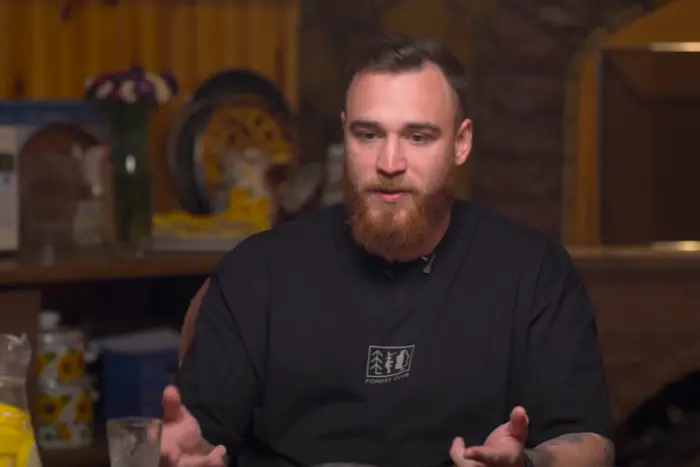
According to inkorr.com: Platoon commander of the Azov reconnaissance unit Mykola 'Frost' Kush shared his experience with treating post-traumatic stress disorder (PTSD) in an interview for the 'Dachniy Dvizh' project on YouTube. He talked about the changes in his psychological state after assaults when even familiar sounds trigger a strong reaction.
'You feel overwhelmed: your hands and feet feel like they are not yours, there's heat, and it takes a lot of resources to control it,' - shares the soldier.
In everyday life, Kush noted that the effects of PTSD manifest as emotional outbursts. Although he used to be a calm person, now he reacts impulsively even to innocent words.
Consulting Doctors and Support from Melovin
The head of the National Health Service of Ukraine, Natalia Husak, reported that the number of appeals to doctors regarding mental health disorders, such as depression, sleep disturbances, apathy, and PTSD, has significantly increased in Ukraine. Musician Melovin also shared his experience of fighting stress and the issues that negatively affected his health, reaching out to his fans.
It is important to remember the importance of support and the need to consult specialists to maintain mental health. Caring for one's inner state is a key aspect of overall health for everyone.
Post-traumatic stress disorder can significantly affect physical and mental health, so it is important to seek help and support in this process to improve the quality of life.
The fight against post-traumatic stress is becoming increasingly relevant in Ukraine, especially among military personnel. Stories like that of Mykola Kush highlight the important topic of the need for support for those who have experienced severe life situations. Consulting specialists and exchanging experiences helps not only to cope with stress but also to maintain mental health in a relatively stable state. Public examples, such as Melovin's experience, emphasize the importance of an open dialogue about mental disorders, which can encourage others to seek help.Read also
- Three Ukrainians Without Documents Rescued from Occupied Territories Under Bring Kids Back UA Initiative
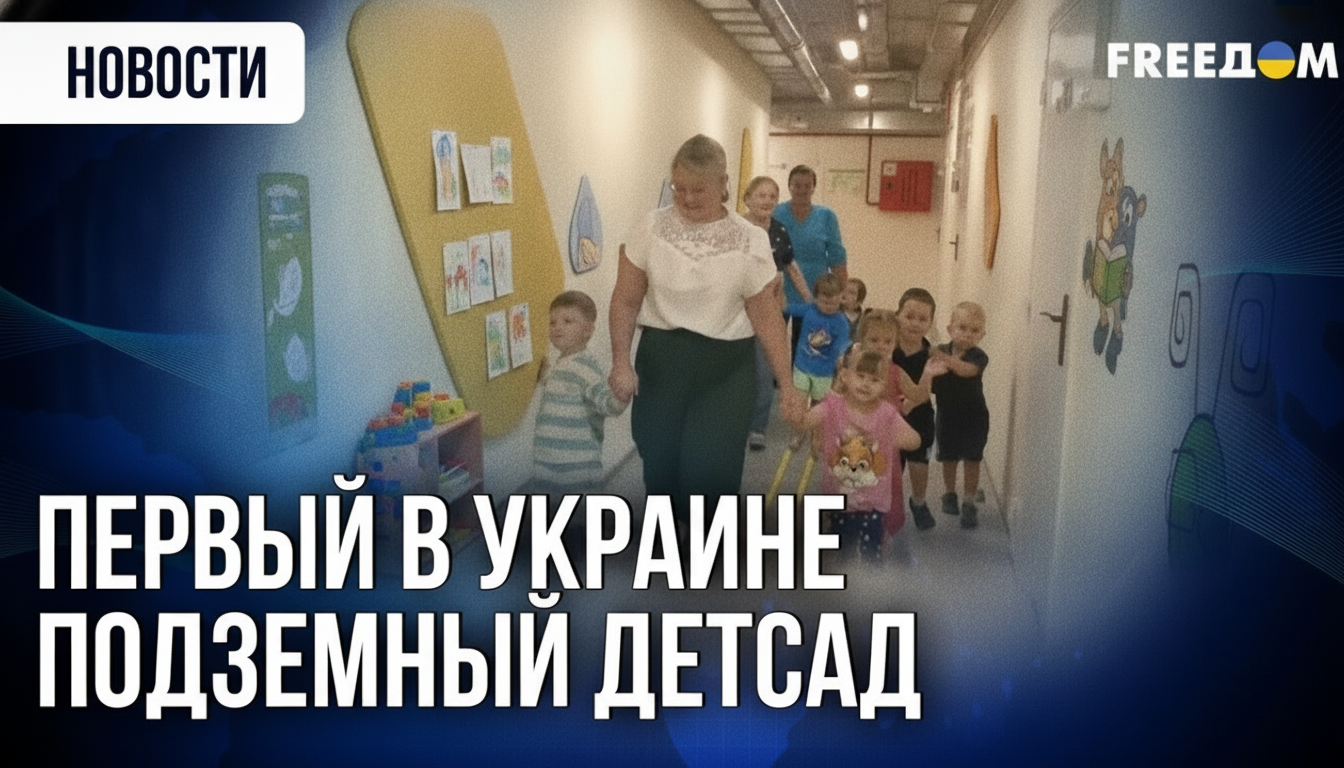
- Ukraine’s first underground kindergarten opens in Kharkiv, accommodating 260 children
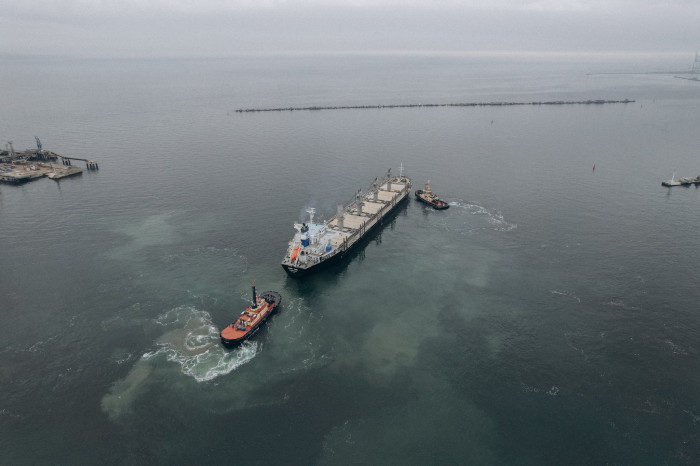
- Ukraine's ports crippled by Russian strikes: 28 vessels hit, 21 killed
- 24 Children Rescued from Occupied Territories by Save Ukraine, Including Injured 13-Year-Old Anhelina
- Woman Faces Up to 7.5 Years in Prison After Attacking Children for Speaking Ukrainian in Poland
- One of the Most Recognizable Voices on Ukrainian Radio, Journalist Oleksandr, Has Passed Away