Why Beets Grow Small: Two Key Causes and How to Fix Them.

Understanding the Causes of Small Beets
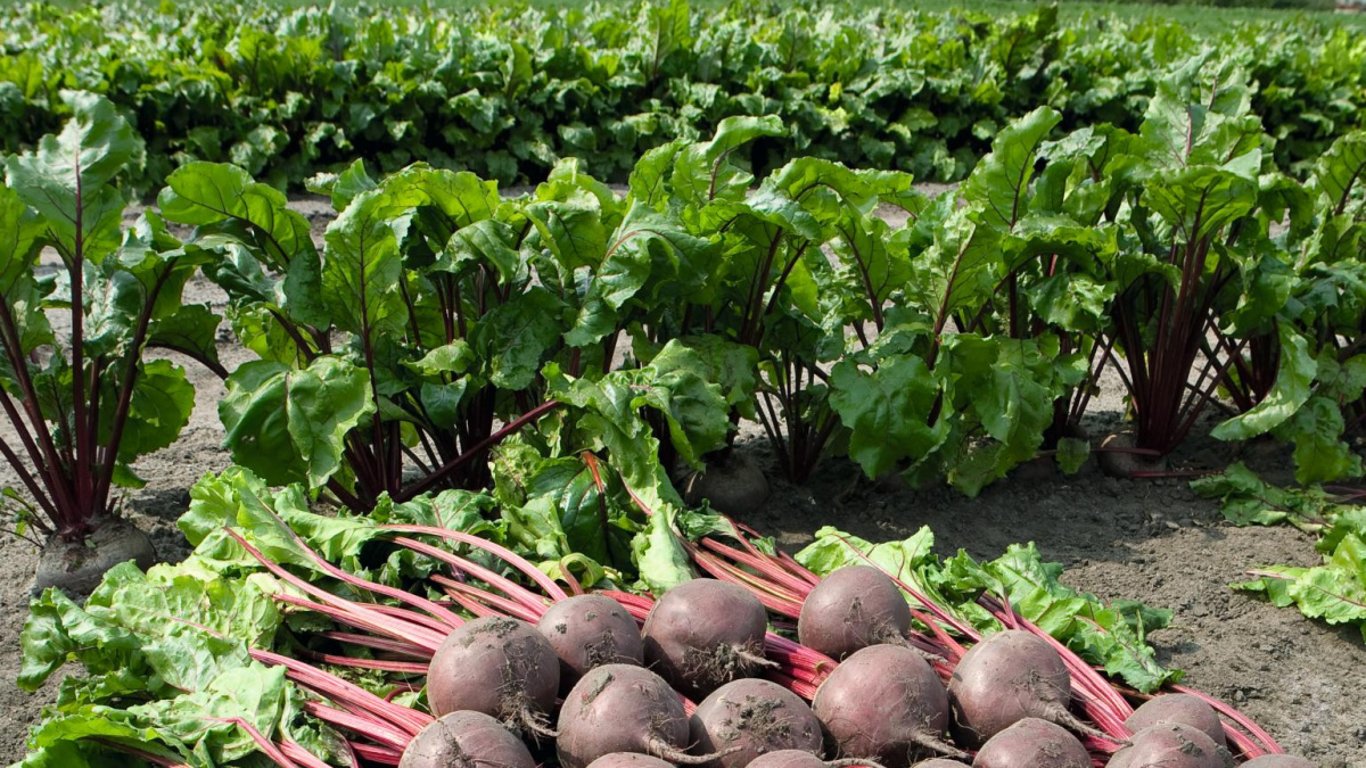
According to Novyny.live: Beetroot is a crop highly sensitive to soil composition, which directly impacts its development. Two primary factors lead to stunted growth. The first is acidic soil, which severely hampers the formation of the root vegetable, resulting in smaller size and poorer crop quality. The second key factor is a boron deficiency, which negatively affects the beet's size, juiciness, and sweetness.
Solutions for a Better Harvest
Correcting soil conditions is essential for improvement. To address boron deficiency, dissolve 1 gram of boric acid in 10 liters of water for an effective foliar feed. This supplementation provides the plant with the necessary elements for proper growth. For gardeners and farmers in temperate regions, managing soil pH and micronutrients is a common challenge for root crops.
- Regular thinning of seedlings
- Adequate warmth
- Consistent watering
- Basic fertilization
Implementing these measures will help agronomists and gardeners achieve a high-quality, abundant harvest and avoid issues related to undersized roots.
Understanding the conditions that affect beet cultivation is critically important, as it can significantly impact the economic efficiency of production. Taking steps to improve soil quality will not only increase yield but also ensure stability in cultivating this crop. In an era of variable climate and rising demands for product quality, this knowledge is especially relevant for the agricultural sector.
Read also
- Ukraine’s first underground kindergarten opens in Kharkiv, accommodating 260 children
- Ukraine's ports crippled by Russian strikes: 28 vessels hit, 21 killed
- 24 Children Rescued from Occupied Territories by Save Ukraine, Including Injured 13-Year-Old Anhelina
- Woman Faces Up to 7.5 Years in Prison After Attacking Children for Speaking Ukrainian in Poland
- One of the Most Recognizable Voices on Ukrainian Radio, Journalist Oleksandr, Has Passed Away
- Crimean Tatars Reclaim Their True History: How Valery Vozgrin’s Work Dismantles Russian Myths