Merz doubts Zelensky's negotiations with Putin: named the reason.

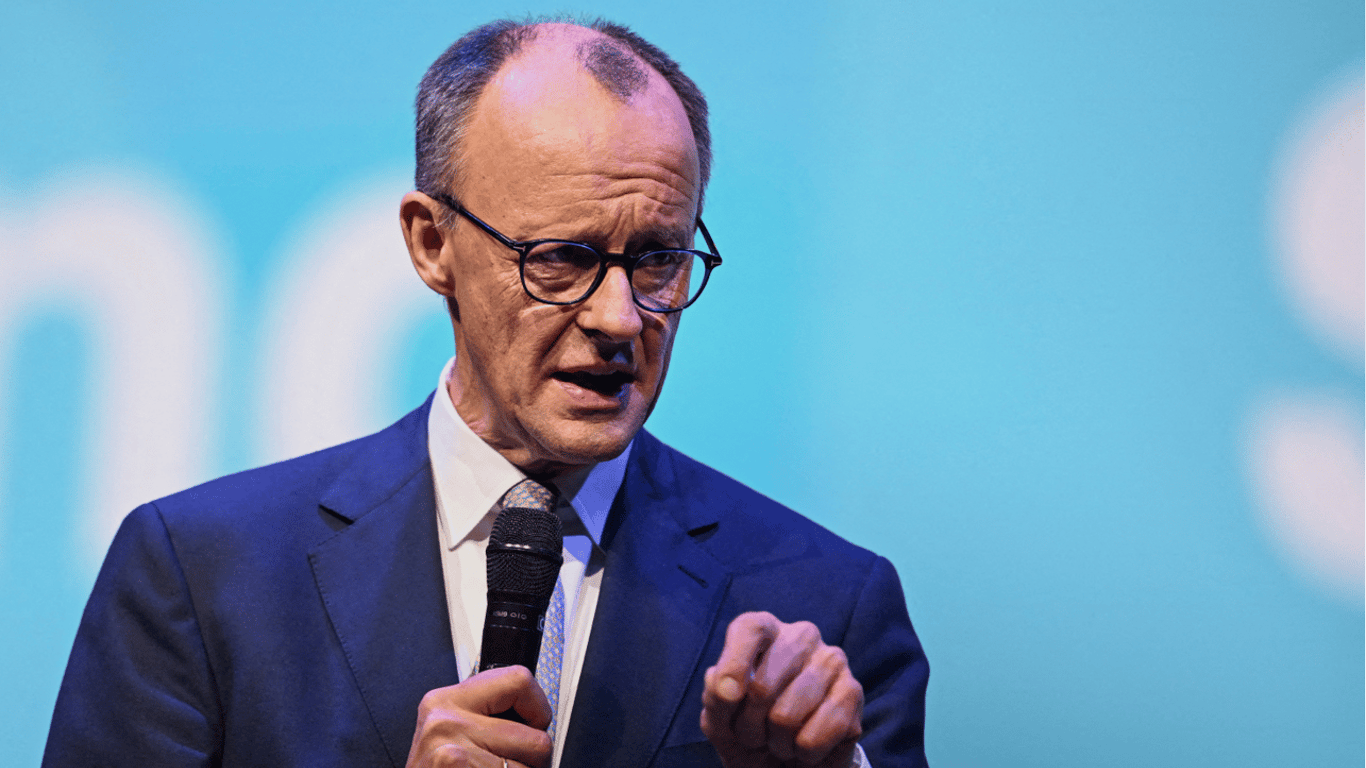
After the completion of negotiations at the White House between Trump, Zelensky, and EU leaders, German Chancellor Friedrich Merz was the first to step out to brief the journalists. He expressed his position on the possibility of between Putin and Zelensky.
According to the German leader, he has no confidence that the dictator of the Russian Federation will agree to such negotiations. Merz believes that Putin may simply lack the courage for this.
Chancellor Merz also welcomed Trump's statement regarding potential security guarantees for Kyiv.
'There is a feeling that these are decisive days for Ukraine', Merz said.
We remind you that Donald Trump confirmed that during his phone call with Putin, which interrupted the negotiations, he agreed between the dictator of the Russian Federation and the President of Ukraine, Zelensky. After this, there will be a trilateral summit.
It was also revealed that the Financial Times published information about a possible agreement between the USA and Ukraine. Zelensky may offer to buy US weapons for this amount.
After the negotiations at the White House between Trump, Zelensky, and EU leaders, German Chancellor Friedrich Merz expressed a significant position regarding the possible personal negotiations between Putin and Zelensky. At the same time, information about a possible 100 billion dollar agreement between Ukraine and the USA was revealed, which could include the purchase of military equipment by the Ukrainian side from the United States.
Read also
- China Challenges US Dominance in AI: Xi Jinping Proposes a New Global Body
- Why Russia Sees Turkey as a Viable Negotiation Hub: Three Key Reasons
- Trump Alleges Leak of 220 Million U.S. Voter Records, Demands Investigation
- Trump Declares Victory Over Iran as New Strikes Hit the Strait of Hormuz, Resuming War
- Over 60 U.S. Senators Back New Russia Sanctions: What's at Stake
- Turkey Emerges as Potential Venue for Zelenskyy-Putin Talks as Ukraine Signals Readiness for Ceasefire