7 Key Reasons Your Potato Harvest Yields Small Tubers.

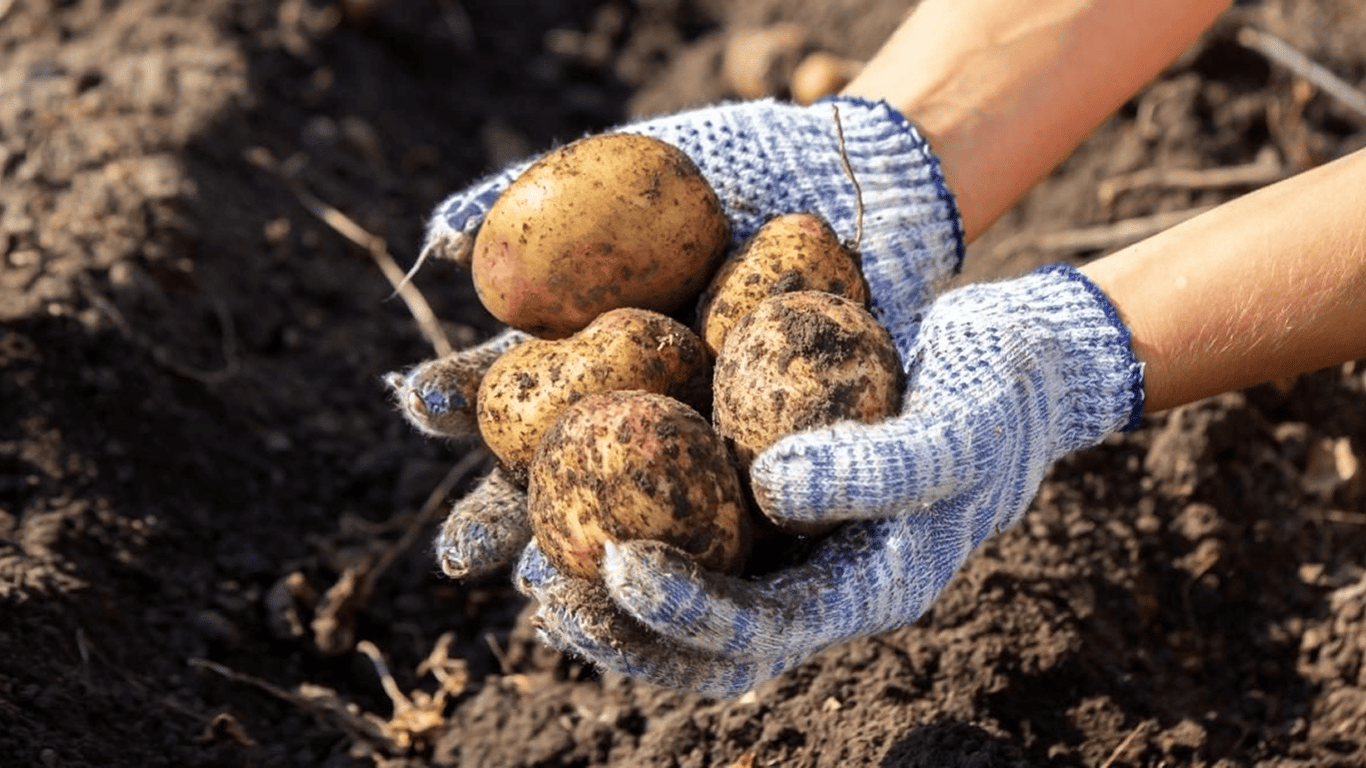
Why Potato Tubers Stay Small
According to Novyny.live: Producing undersized potatoes is typically the result of several interconnected factors, including cultivation errors, unsuitable growing conditions, and pest pressures. The primary influences on tuber size are the quality of soil, adherence to proper agricultural practices, and the effectiveness of plant nutrition.
Primary Factors Affecting Tuber Size
Firstly, incorrect crop rotation and planting potatoes too close together can significantly hinder growth. This leads to increased competition between plants and reduced access to essential nutrients. Secondly, a lack of moisture during the active growth phase is another critical reason for small tubers. Potatoes require consistent watering, especially during key developmental stages.
Furthermore, diseases and pests like wireworms, nematodes, aphids, and the Colorado potato beetle can severely impact the potato yield. These threats not only disrupt normal plant development but can also cause substantial crop losses. Inappropriate soil conditions are another major cause of a poor harvest. Nutrient-deficient soil or the wrong fertilizers will drastically lower productivity.
- Insufficient or improper fertilization is another leading cause of small potatoes.
- Potato plants require feeding with phosphorus and potassium fertilizers 2-3 times during the growing season to ensure proper development.
- The use of fresh manure also requires caution; this fertilizer should only be applied in the autumn, as it can otherwise damage the plants.
Additionally, the quality of the seed potatoes themselves is crucial. Using tubers from old varieties or seed stock that hasn't been renewed for 3-4 years can result in a weaker yield and smaller potatoes. All these factors combine to create the growing environment and can dramatically affect the final harvest. For home gardeners and commercial growers alike, careful attention to these details is essential for a successful, high-quality crop.
Understanding the causes of a poor potato yield is vital for many agronomists and farmers, as the growing global demand for this staple crop requires efficient cultivation methods. Potatoes are a dietary cornerstone in many parts of the world, making their successful cultivation economically and nutritionally important. Focusing on improved agronomic practices, soil health, and correct fertilization can help boost both the productivity and quality of the potato harvest.
Read also
- Three Ukrainians Without Documents Rescued from Occupied Territories Under Bring Kids Back UA Initiative
- Ukraine’s first underground kindergarten opens in Kharkiv, accommodating 260 children
- Ukraine's ports crippled by Russian strikes: 28 vessels hit, 21 killed
- 24 Children Rescued from Occupied Territories by Save Ukraine, Including Injured 13-Year-Old Anhelina
- Woman Faces Up to 7.5 Years in Prison After Attacking Children for Speaking Ukrainian in Poland
- One of the Most Recognizable Voices on Ukrainian Radio, Journalist Oleksandr, Has Passed Away