The Three Key Reasons Khrushchyovka Apartments Lack First-Floor Balconies.

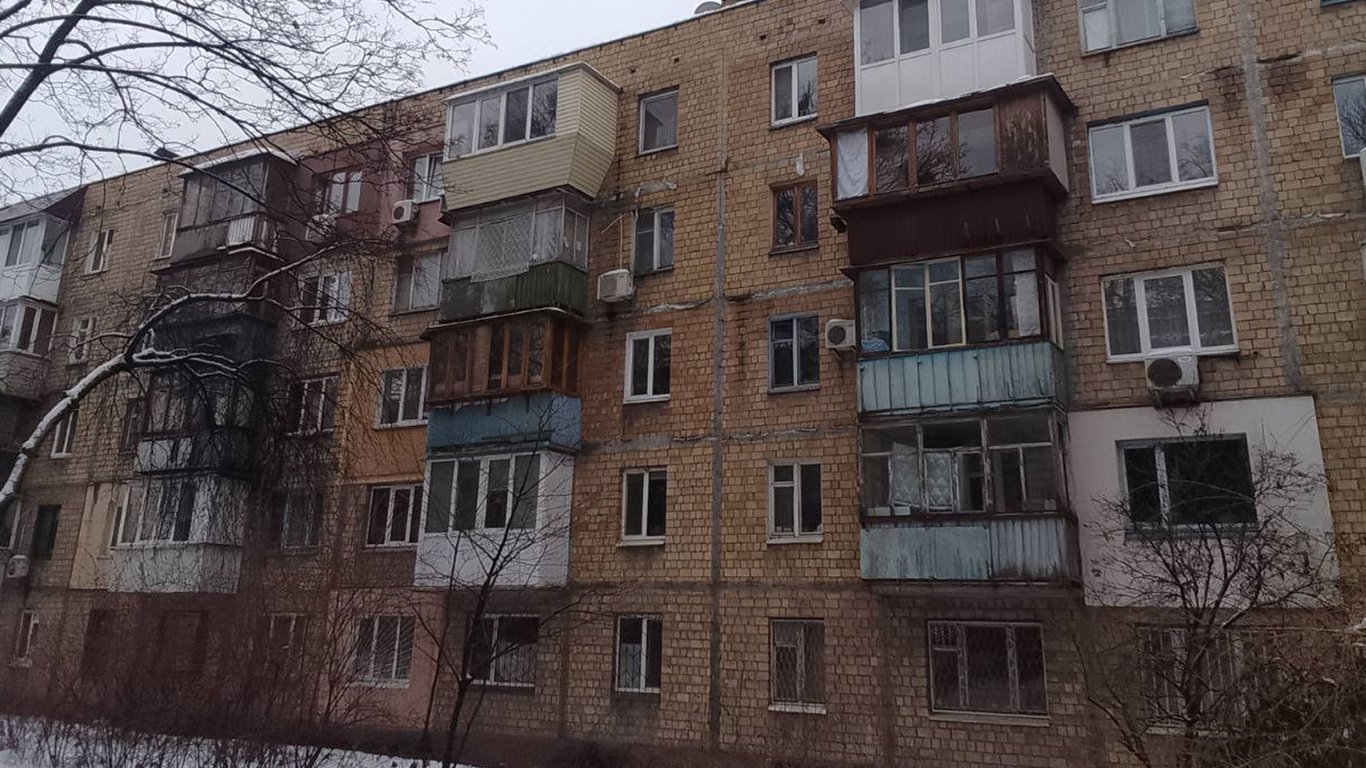
Why Khrushchyovka Buildings Have No Balconies on the Ground Floor
According to Novyny.live: The iconic Khrushchyovka apartment blocks, a massive Soviet-era housing project from the 1950s and 60s, were designed to move people out of communal barracks into individual flats. Their distinctive architectural style, however, came with specific limitations. The omission of balconies on the first floor was a deliberate design choice driven by three primary factors: security, cost-saving, and fire safety regulations.
The Primary Motivations Behind the Design
-
Security: Eliminating ground-floor balconies directly addressed security concerns. By removing this potential access point from street level, the design significantly reduced the risk of apartment burglaries, as intruders were denied an easy architectural pathway into the homes.
-
Cost-Saving: Omitting these structural elements provided substantial savings in both materials and construction time. In an era defined by the urgent need for mass housing, every component was scrutinized for efficiency, and balconies were deemed a non-essential expense for lower-level units.
-
Fire Safety: Two key fire safety considerations dictated this feature. First, the prefabricated panel construction of these buildings was prone to leaking seams, requiring unimpeded access for maintenance lifts, which ground-floor balconies would obstruct. Second, according to Soviet building codes, a first-floor apartment's simplest escape route was through the window; a balcony would complicate this. Conversely, on upper floors, balconies served as an additional exit point for firefighters to rescue residents during emergencies.
In summary, the lack of first-floor balconies in Khrushchyovkas resulted from a holistic design philosophy that prioritized security, economic constraints, and practical building maintenance and safety.
Examining the architectural logic behind these ubiquitous buildings offers valuable perspective on modern housing challenges. The core tensions between safety, cost, and functionality they navigated remain highly relevant for contemporary architects and urban planners, who must balance similar priorities in today's construction projects.
Read also
- Three Ukrainians Without Documents Rescued from Occupied Territories Under Bring Kids Back UA Initiative
- Ukraine’s first underground kindergarten opens in Kharkiv, accommodating 260 children
- Ukraine's ports crippled by Russian strikes: 28 vessels hit, 21 killed
- 24 Children Rescued from Occupied Territories by Save Ukraine, Including Injured 13-Year-Old Anhelina
- Woman Faces Up to 7.5 Years in Prison After Attacking Children for Speaking Ukrainian in Poland
- One of the Most Recognizable Voices on Ukrainian Radio, Journalist Oleksandr, Has Passed Away