










A Steel Sentinel on Tasmania: Earth's 'Black Box' to Chronicle Our Planet's Fate.

A Steel Sentinel on Tasmania: Earth's 'Black Box' to Chronicle Our Planet's Fate

The Earth's Black Box Project

According to TSN.ua: A massive steel monolith is being constructed on the Australian island of Tasmania. Known as Earth's Black Box, this structure is designed to collect and preserve data on the planet's ecological health, climate change, and humanity's pivotal decisions, creating a long-term archive for a potential future global crisis. This project aims to provide a durable record of our planet's condition and the environmental challenges we currently face.

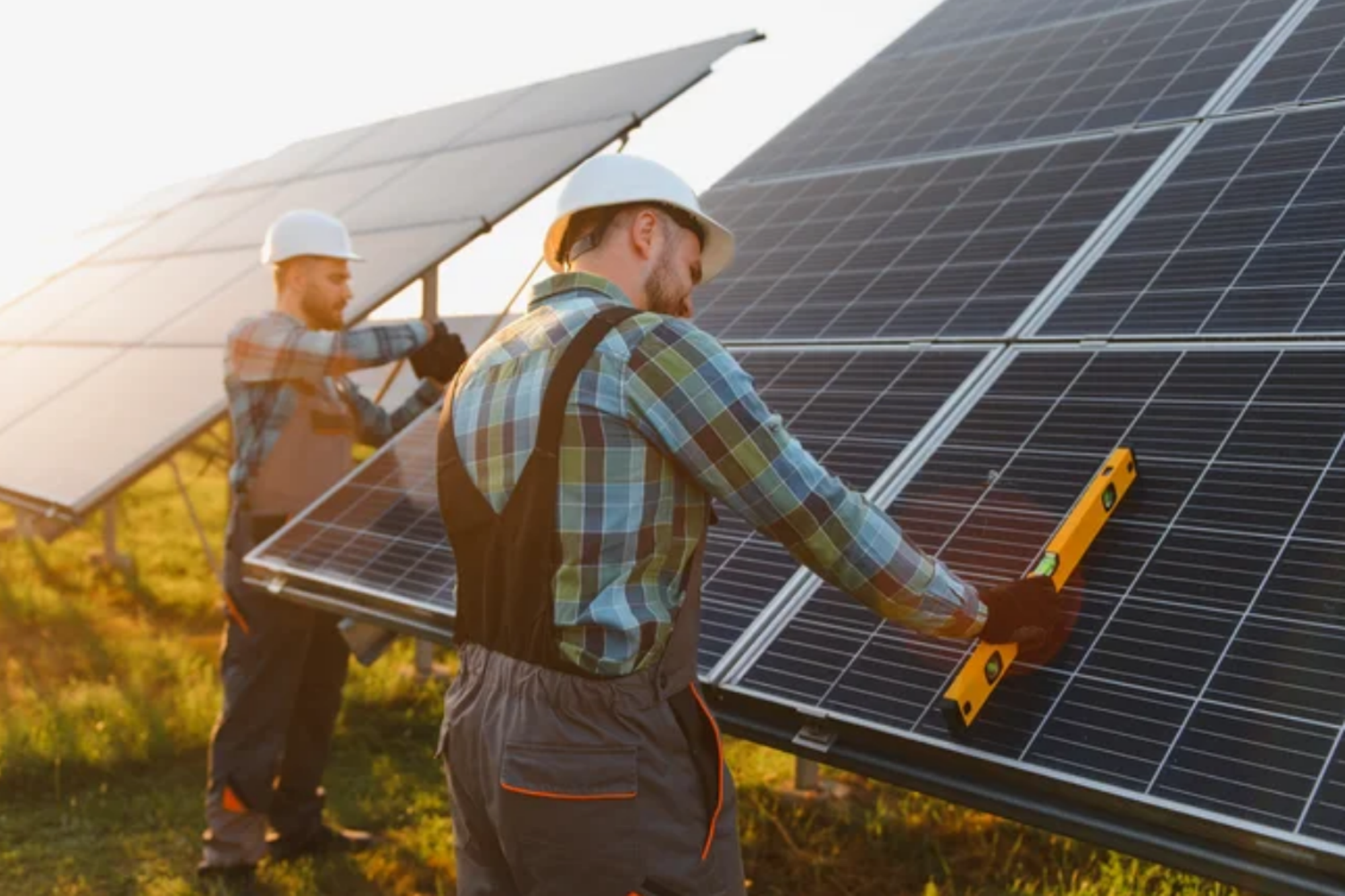
The monolith, measuring approximately 10 meters in length, is being built from 7.5-centimeter-thick steel. This robust construction is engineered for centuries of autonomous operation, allowing data to be stored long-term without requiring maintenance. The system will be powered entirely by solar energy, underscoring the project's commitment to environmental sustainability.

Launch and Operation

The system is scheduled to be fully operational by 2026. Earth's Black Box will continuously record critical planetary metrics, including:

  • Atmospheric carbon dioxide (CO₂) concentration levels
  • Air temperature and global ocean heating indicators
  • Sea acidification levels
  • Global energy consumption volumes

The collected data is intended to serve as a crucial resource for future generations who will grapple with the consequences of today's environmental challenges. This initiative is reminiscent of the 'Doomsday' seed vault in Norway, but for planetary data.

Earth's Black Box represents a significant step in preserving ecological information for posterity. In an era of escalating environmental crises like climate change and pollution, this monolith could stand as both a testament to the planet's current state and a stark reminder of the urgent action required to protect it. The archived data may prove invaluable for future scientific research, educational programs, and environmental policymaking, highlighting the critical need for global awareness of ecological issues.


Read also

Advertising