Ukraine's Unity Day: The 1919 Unification of Two Republics.

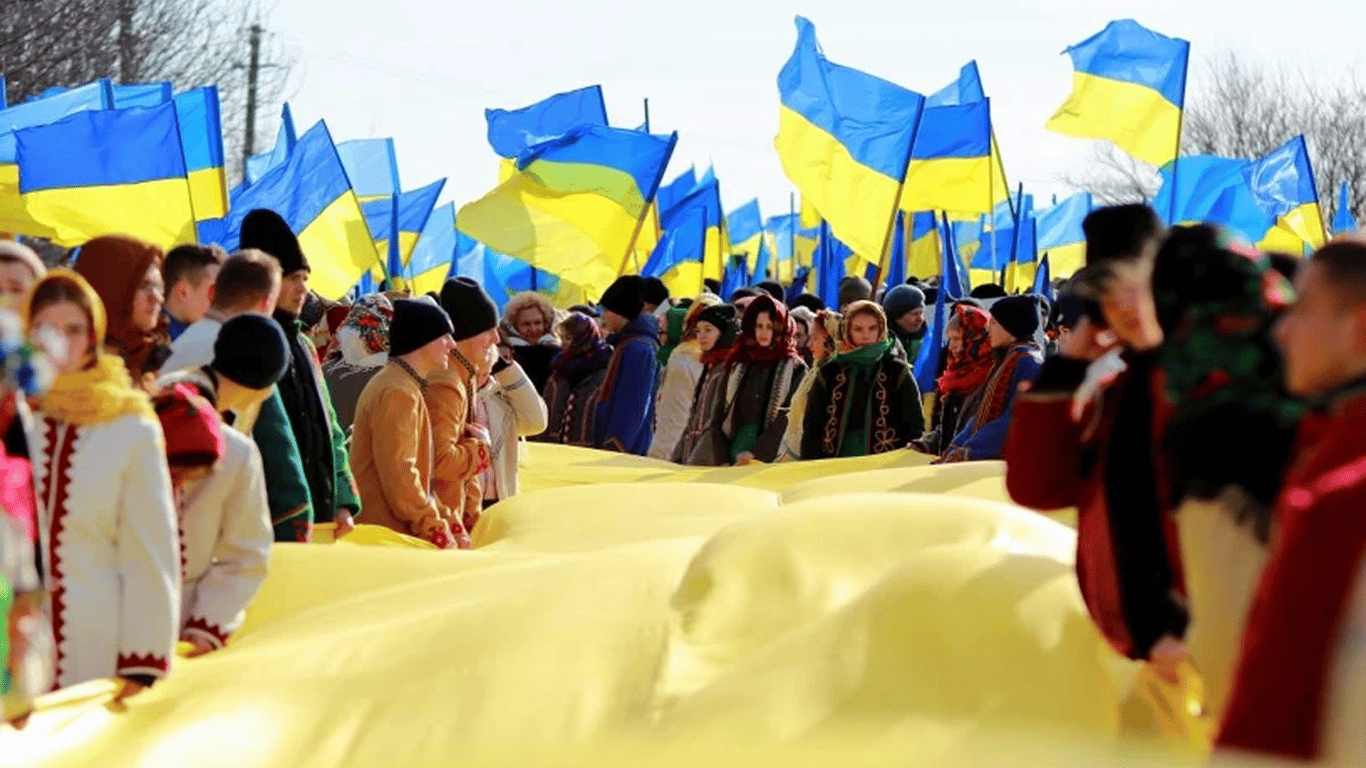
Ukraine's Unity Day: The 1919 Unification of Two Republics
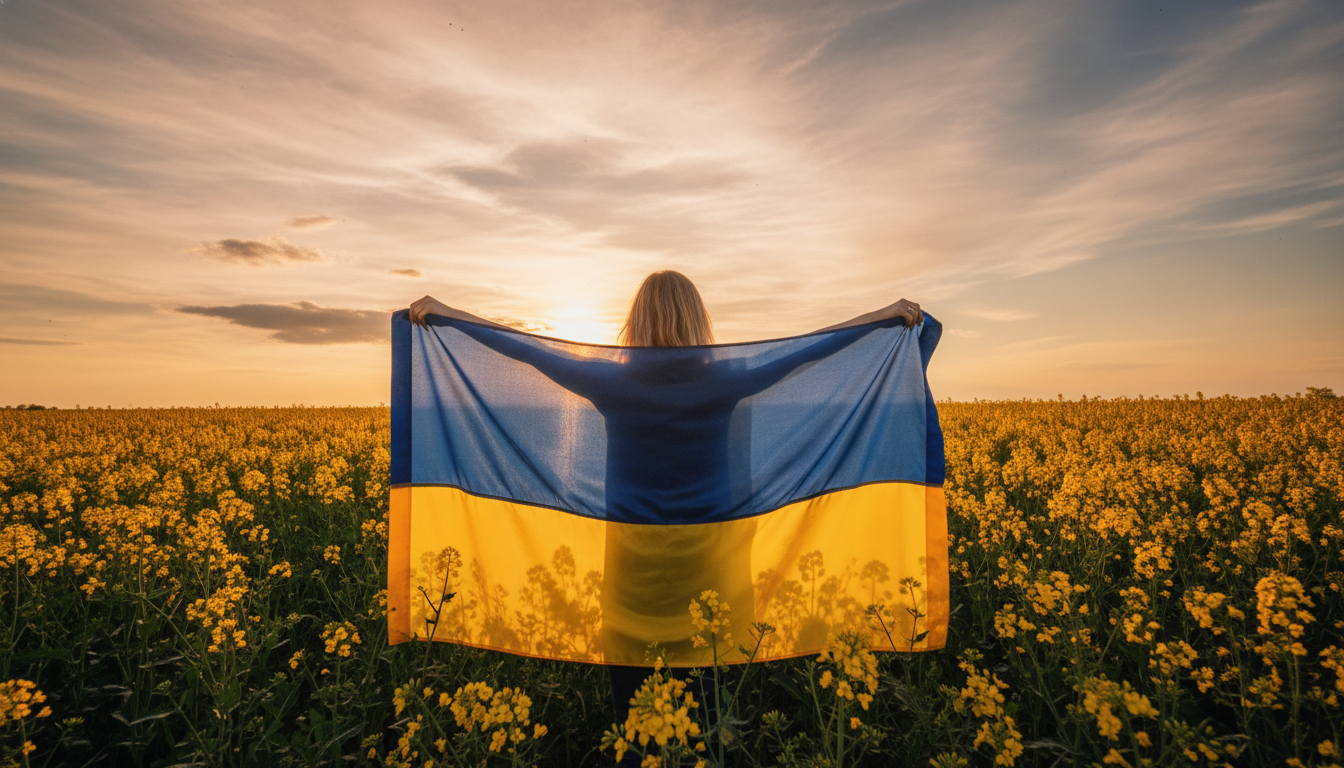
According to Novyny.live: Ukraine marks Unity Day each January 22nd, commemorating the proclamation of a unified state by the Ukrainian People's Republic (UPR) and the West Ukrainian People's Republic (WUPR) in Kyiv on that date in 1919. This holiday represents a pivotal moment in the nation's long struggle for sovereignty and self-determination. Its origins lie in the liberation movements of the Ukrainian people following the collapse of the Russian Empire.
The path to unification began with the signing of a 'Preliminary Treaty' at a railway station in Fastiv on December 1, 1918. This foundational document was then ratified by the Ukrainian National Council on January 3, 1919, clearing the way for the final merger. The culmination was the formal proclamation of the Unification Act on Kyiv's Sophia Square on January 22, 1919, an event that cemented the aspiration for a single, independent Ukrainian state.
The first official observance of Unity Day took place in the city of Khust on January 22, 1939, establishing a tradition that would grow in significance. For an English-speaking audience, it's important to understand that this historical event symbolizes the enduring Ukrainian quest for national cohesion, a theme that resonates deeply in the country's modern history.
Contemporary Observance of Unity Day
Following independence, Ukraine officially reinstated the celebration of Unity Day in 1999. The date holds profound importance for national identity, linking the historical act of unification with contemporary calls for solidarity. A powerful modern symbol emerged on January 21, 1990, when hundreds of thousands of citizens formed a human chain stretching approximately 700 kilometers from Ivano-Frankivsk to Kyiv.
This tradition of public demonstration continued, with similar 'living chains' appearing in over 20 Ukrainian cities on January 22, 2011. Today, Unity Day is a core part of Ukraine's cultural and national consciousness. It serves as a potent reminder of the historical roots of Ukrainian statehood and the people's persistent drive for unity, especially in the face of ongoing challenges to territorial integrity and sovereignty. The holiday underscores the shared values and national identity that bind the Ukrainian people together.
Read also
- Three Ukrainians Without Documents Rescued from Occupied Territories Under Bring Kids Back UA Initiative
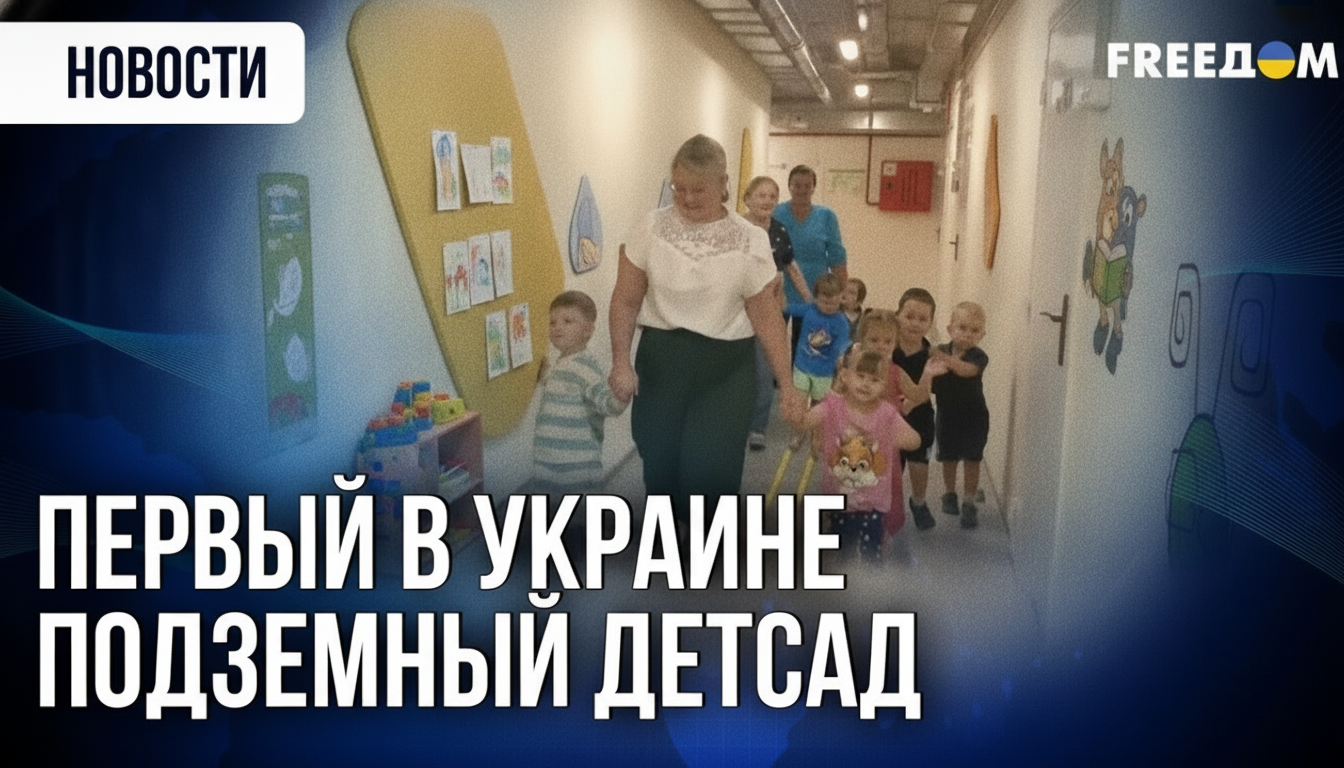
- Ukraine’s first underground kindergarten opens in Kharkiv, accommodating 260 children
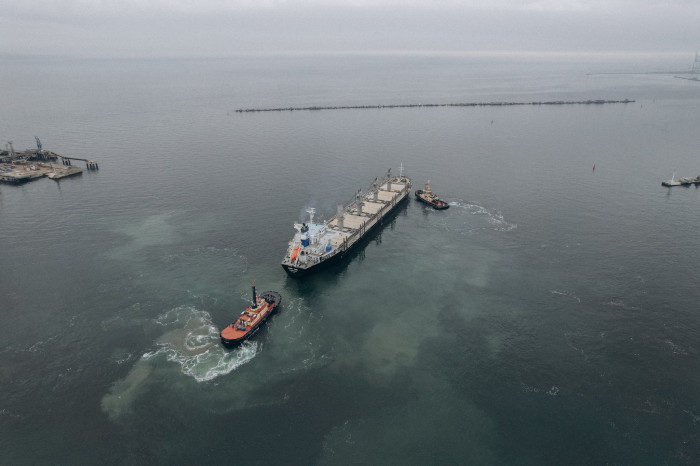
- Ukraine's ports crippled by Russian strikes: 28 vessels hit, 21 killed
- 24 Children Rescued from Occupied Territories by Save Ukraine, Including Injured 13-Year-Old Anhelina
- Woman Faces Up to 7.5 Years in Prison After Attacking Children for Speaking Ukrainian in Poland
- One of the Most Recognizable Voices on Ukrainian Radio, Journalist Oleksandr, Has Passed Away