Russia's Sanctions Reckoning: Expert Predicts Timeline for Impact and Internal Unrest.

The Impact of Sanctions on Russia's Economy
According to UATV: Political scientist Dr. Anna Malkina has analyzed the effects of international sanctions on Russia's economy and the potential for resulting domestic instability. She stated that the strategy of attrition against Russia is beginning to yield results. This indicates that the economic restrictions imposed by the international community are gradually influencing the situation within Russia, creating conditions for potential shifts in its political landscape. The sanctions, unprecedented in their scale and coordination, are designed to cripple the nation's long-term war-making capacity.
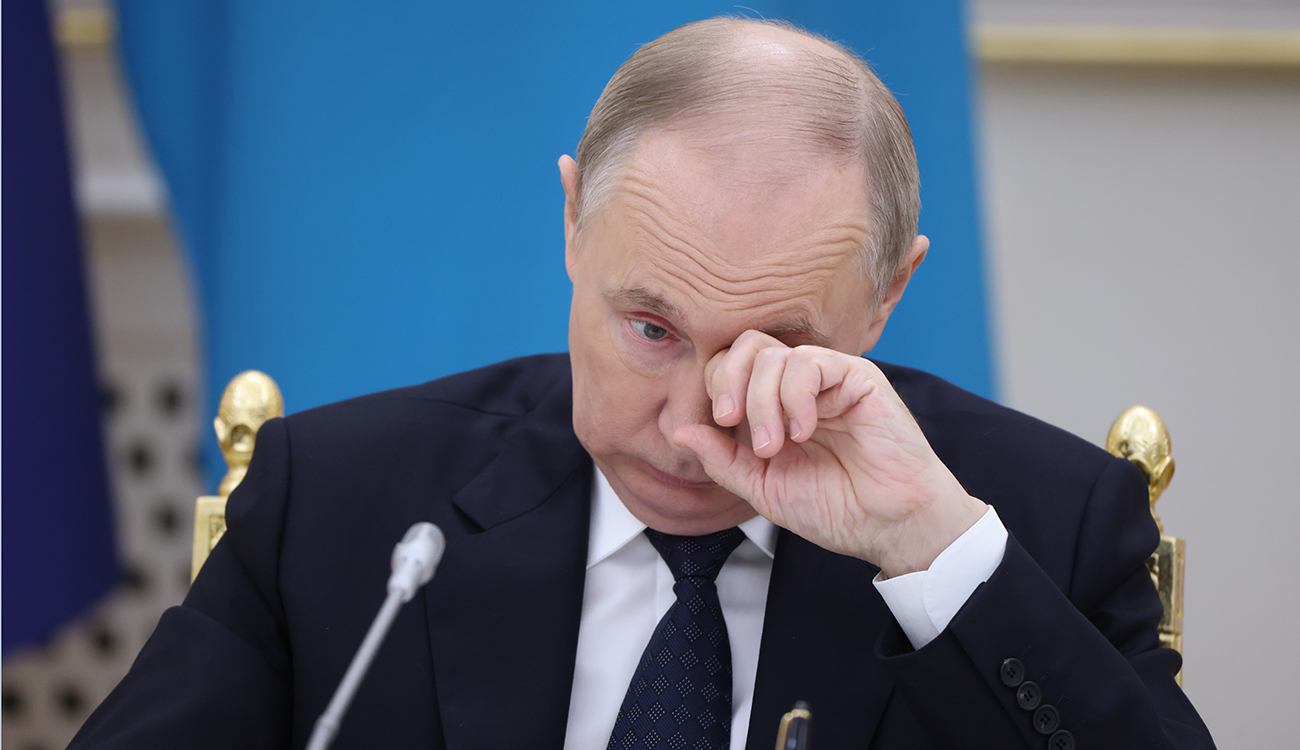
Malkina noted that Russian President Vladimir Putin does not use the internet and receives information solely from prepared briefs. This may point to a leadership isolated from the true state of affairs both within the country and abroad. Simultaneously, the losses sustained by the Russian army in Ukraine are exceeding the rate at which new mobilized personnel can be trained and deployed, casting doubt on Russia's ability to sustain military operations at their previous intensity.
The Future and Political Situation
The expert believes that by the pivotal period of 2025-2026, the full effect of sanctions on the Russian economy will become clear. She emphasized that
“the practice of attrition has finally reached Russia.”However, despite growing societal discontent, Malkina observed that this does not guarantee the regime's immediate collapse. She highlighted that
“Putin has essentially found himself in a trap: the war cannot be stopped, and power cannot be lost.”This analysis suggests a regime facing a slow-burning crisis rather than an imminent revolution.
Thus, the situation in Russia remains tense, and according to Malkina, future developments could lead to significant changes in the political system, though their precise nature and timing remain uncertain. For now, it is crucial to monitor events closely, as internal political stability and economic challenges could substantially impact international policy and security in the region. The outcome will have profound implications for European security and the global order.
Read also
- Feigin Reveals Who Arranged Melnychenko's Interview and Why Russian Oligarchs Are Fleeing
- Putin’s Approval Rating Plunges to 66% as Russia’s Fuel Crisis Worsens
- Why Russia Sees Turkey as a Viable Negotiation Hub: Three Key Reasons
- Fuel Shortages and Rising Prices Drive Russians to Buy Foreign Currency in Droves
- CIA Director: Russian Soldiers Survive Only 30 Minutes on the Frontline
- Capital Flight from Russia: Why Billionaires Are Moving Assets Abroad