








US Expert on NATO Threat: Russia Cannot Win a War Through the Suwałki Gap.

Russia cannot win in Suwałki Gap

Baltic Region Security Landscape

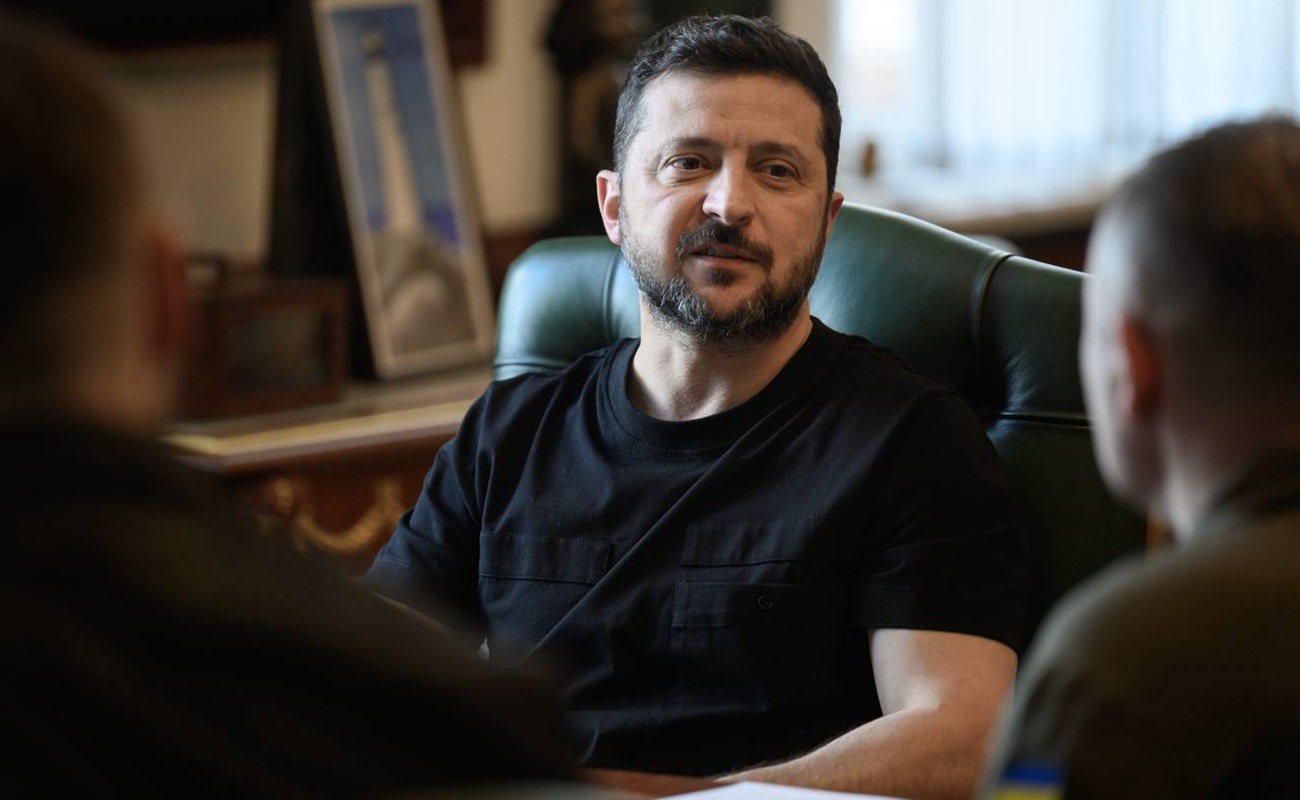
According to TSN.ua: In a recent interview with Espreso TV, diplomat Matthew Bryza examined potential military scenarios involving Russia, with a particular focus on the security of the Baltic states and NATO. Bryza stressed that if Russia were to attack NATO territory via the Suwałki Gap, it would not be able to achieve victory. This statement has drawn significant attention, as tensions in the region remain high.

Matthew Bryza, a former director for Europe and Eurasia at the U.S. National Security Council, noted that his primary concern is Russia's actions that fall short of triggering NATO's Article 5—the collective defense clause activated when a member nation is attacked. Bryza believes any Russian aggression could have severe consequences, but he also emphasized NATO's readiness to counter potential threats.

The Role of Finland and Sweden

Finland plays a particularly critical role in strengthening regional security, possessing more artillery than any other NATO member. It can achieve full combat readiness faster than any other ally, making it a key player in Northern Europe's defense. Sweden's NATO membership also reduces the risk of a Russian occupation of Gotland Island, further enhancing stability in the area.

“Estonia belonged to Russia just as Donbas did” — Dmitry Medvedev

This remark underscores the Kremlin's aggressive rhetoric toward the Baltic states, raising concerns within NATO. Given this tense environment, maintaining dialogue and bolstering the defensive capabilities of regional countries is essential to prevent possible conflicts.

In summary, the situation in the Baltic region remains critical, and Russia's actions continue to alarm the international community. With the Kremlin's hostile statements and military buildup in neighboring countries, NATO members must stay vigilant and prepared to respond to any threats that may arise from conflict escalation. Supporting regional security is becoming increasingly vital in light of these challenges.


Read also

Advertising