Kyiv in the Top 30 Most Congested Cities in the World: The Main Reason.

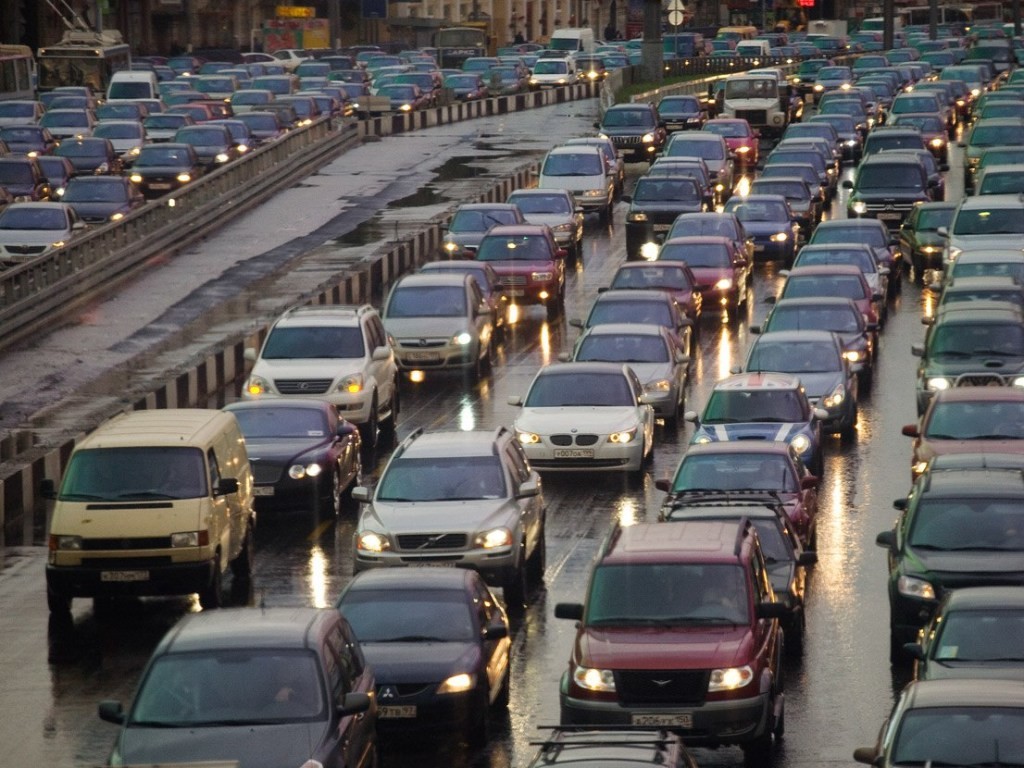
According to inkorr.com: Traffic jams in Kyiv have become as recognizable a symbol of the city as the chestnuts on Khreshchatyk. Despite constant road repairs, new junctions, and monitoring cameras, traffic jams occur daily in the capital. Architect and urbanist Olexandra Naryzhna emphasizes that the reasons for this lie not only in the roads themselves but also in habits and systemic decisions.
The Main Reason for Traffic Jams in the Capital of Ukraine
Naryzhna notes that Kyiv has entered the top 30 most congested cities in the world according to TomTom. The main problem lies in the excessive dependence on private transport: Kyiv residents often use cars even for short trips, as public transport is often unpredictable and inconvenient for transfers.
Additional Factors Contributing to Traffic Jams in Kyiv
In addition, there are several additional factors that complicate the situation:
- the increase in the number of cars while the road capacity remains unchanged;
- a shortage of parking spaces, causing drivers to constantly look for spots;
- additional traffic from couriers, trucks, and construction vehicles;
- outdated traffic light systems and insufficient development of pedestrian and bicycle infrastructure.
What Can Help Solve the Problem of Traffic Jams in the Capital
Simply widening roads, in the opinion of the urbanist, is not an effective solution — new lanes quickly fill up, creating a sense of 'induced demand'. A systematic approach is key to solving the problem: developing public transportation, clear pricing policies, reforming parking, and restricting freight traffic during peak hours.
Many cities around the world have already gone through a similar path. In London, for example, after the introduction of paid entry into the center, traffic decreased by 15-20%. In Paris and Vienna, raising parking fees encouraged drivers to switch to public transport and bicycles.
The expert believes that Kyiv has some of the necessary tools — electronic tickets and three paid parking zones. If these mechanisms are improved, traffic jams could decrease by 10-15% within 2-3 years.
“It's not just about punishment, but also about comfort: fast transport, convenient transfers, understandable tariffs. As long as getting to work without a car is a quest, the situation will not change,” concluded Naryzhna.
In this context, it is important to note that city communication regarding reforms and changes in infrastructure plays a crucial role. Clearly informing Kyiv residents about innovations and their benefits can facilitate greater population adaptation to new conditions. Furthermore, there is a need to create appropriate infrastructure that supports public transport and alternative means of transportation, such as cycling or walking. Thus, Kyiv can find effective solutions to improve the situation with traffic jams.
Read also
- Three Ukrainians Without Documents Rescued from Occupied Territories Under Bring Kids Back UA Initiative
- Ukraine’s first underground kindergarten opens in Kharkiv, accommodating 260 children
- Ukraine's ports crippled by Russian strikes: 28 vessels hit, 21 killed
- 24 Children Rescued from Occupied Territories by Save Ukraine, Including Injured 13-Year-Old Anhelina
- Woman Faces Up to 7.5 Years in Prison After Attacking Children for Speaking Ukrainian in Poland
- One of the Most Recognizable Voices on Ukrainian Radio, Journalist Oleksandr, Has Passed Away