Emerald Fennell's 'Wuthering Heights' Reimagined as Fantasy, Not Faithful Adaptation.

Reimagining a Gothic Classic
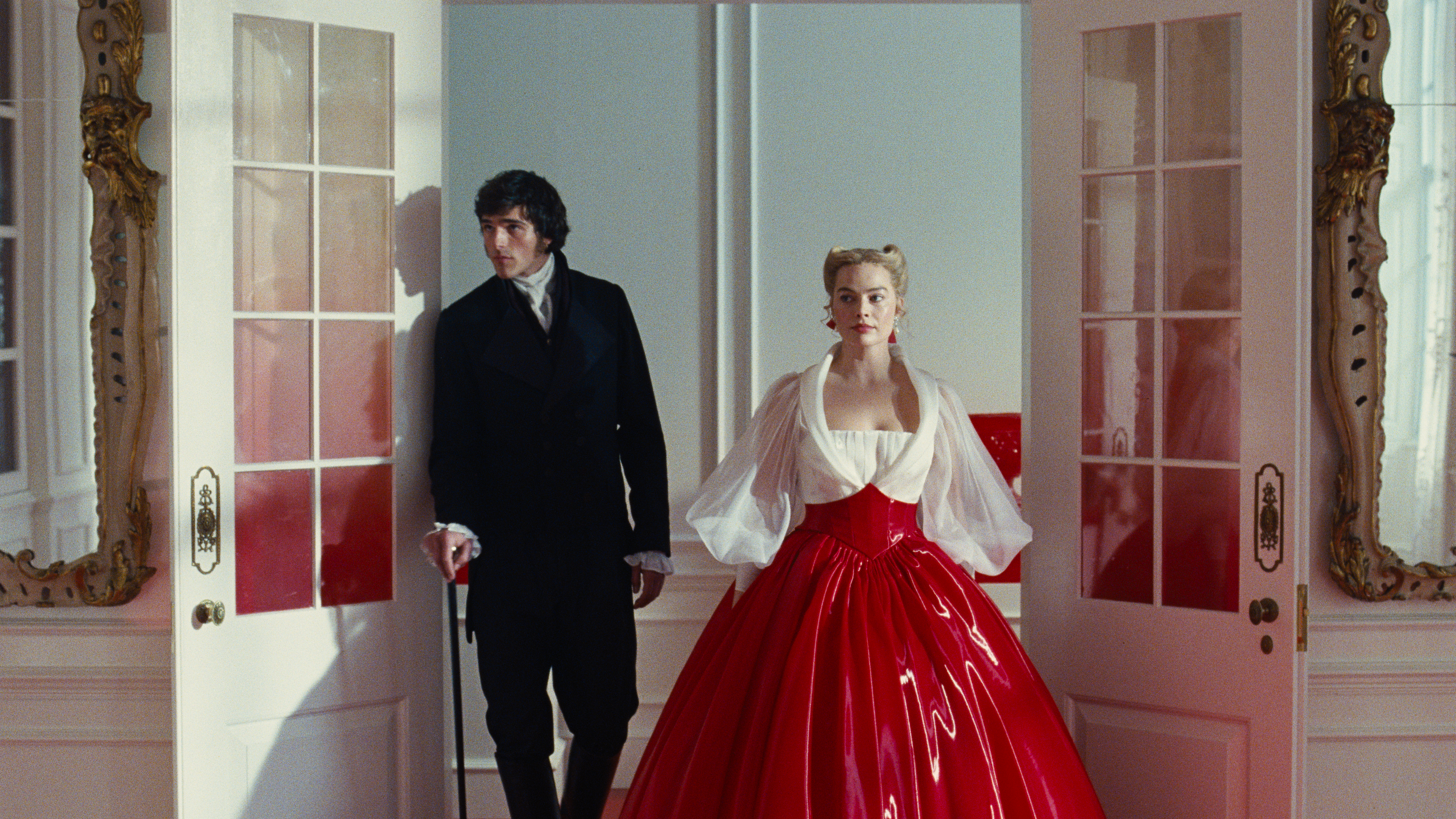
According to Vox - Загальний: Director Emerald Fennell's new take on Emily Brontë's novel 'Wuthering Heights' has sparked intense debate among critics and literary enthusiasts. Fennell has explicitly framed her project not as a direct adaptation but as a fantasy, a choice that has led to significant alterations in the core characters. Many argue these changes risk losing the original story's intense emotional tension and dramatic power, which are hallmarks of the 1847 classic.
The Enduring Legacy of Emily Brontë
Emily Brontë published 'Wuthering Heights' in 1847. The novel stands as her sole literary legacy, as she died of tuberculosis at the age of 30. While Brontë may have been working on a second novel, no manuscript or record of it has ever been found. The book remains a cornerstone of English literature, renowned for its raw exploration of passion and revenge.
- The principal characters of the work are Heathcliff, Catherine, Hindley, and Nelly Dean, who serves as one of the central narrators.
- Core themes of the novel encompass passion, cruelty, and social class.
'This can only be an attempt to take a tiny piece of the book and make sense of it.' Emerald Fennell
This statement underscores her interpretive approach, raising questions about the preservation of the original work's essence. Alterations to the characters' motivations may reshape the audience's understanding of the classic plot, leaving open broader questions about the future of adapting literary classics for the screen.
Adaptations of canonical works invariably ignite discussions about fidelity to the source material and the translation of its core ideas. In the case of 'Wuthering Heights,' shifts in character portrayal suggest new interpretations aimed at engaging a modern audience. However, this also prompts reflection on how such reimaginings influence the public's perception of classic literature and its relevance in a contemporary context.
Read also
- 24 Children Rescued from Occupied Territories by Save Ukraine, Including Injured 13-Year-Old Anhelina
- Woman Faces Up to 7.5 Years in Prison After Attacking Children for Speaking Ukrainian in Poland
- One of the Most Recognizable Voices on Ukrainian Radio, Journalist Oleksandr, Has Passed Away
- Crimean Tatars Reclaim Their True History: How Valery Vozgrin’s Work Dismantles Russian Myths
- Ukraine's Birth Rate Drops 16%: Deaths Outnumber Births by Three to One in First Half of 2026
- Real Combat Readiness: How the National Guard's 'Scythian' Brigade Trains Its New Recruits