The EU is facing a loss of one million workers annually: what awaits the economy.

Demographic decline in the European Union
According to inkorr.com: The European Union is experiencing a significant decrease in population. According to forecasts, by 2075 the number of people may decrease by 23%, and by 2100 - by 34%. This will undoubtedly impact the region's economy.
Loss of workforce
One of the consequences of demographic decline is a shortage of workforce. Experts predict that by 2050 the EU could lose about 1 million workers annually, and migration will become an important factor in compensating for this loss.
According to a report by the European Commission, if the trend of workforce reduction remains at the same level, by 2070 this figure could decrease by 20.2%.
Prospects for EU countries
Italy and Spain could lose more than half of their population by 2100, while other EU countries are also at risk of a serious decline. Although EU expansion may help attract young people, it will not fully address the issue of demographic decline, but it will be a push to tackle this challenge.
Thus, demographic decline in Europe creates serious economic and social problems. The loss of workforce due to population decrease poses a significant challenge that can be partially addressed through migration and expansion of the Union, but this problem cannot be completely overcome. It is important for member countries to seek ways to adapt to new realities and develop strategies to support economic growth.
Read also
- Three Ukrainians Without Documents Rescued from Occupied Territories Under Bring Kids Back UA Initiative
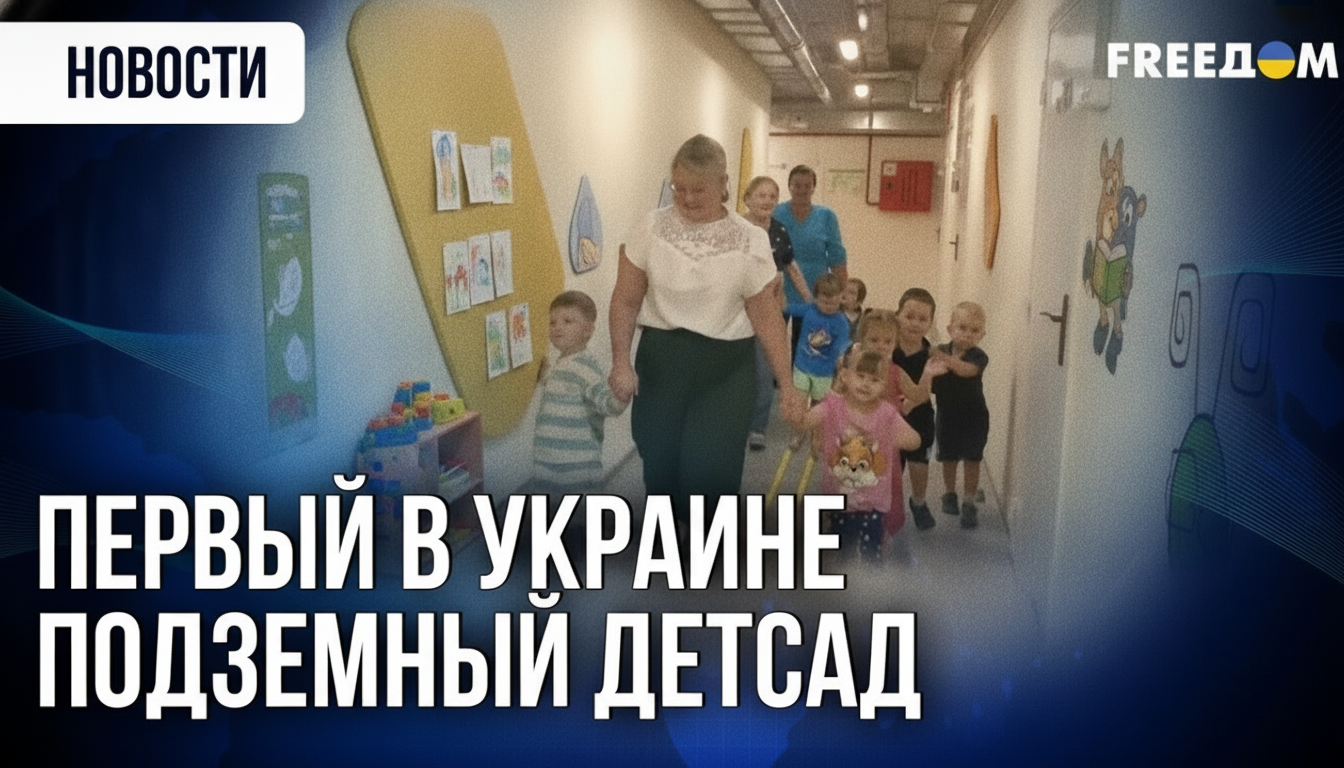
- Ukraine’s first underground kindergarten opens in Kharkiv, accommodating 260 children
- Ukraine's ports crippled by Russian strikes: 28 vessels hit, 21 killed
- 24 Children Rescued from Occupied Territories by Save Ukraine, Including Injured 13-Year-Old Anhelina
- Woman Faces Up to 7.5 Years in Prison After Attacking Children for Speaking Ukrainian in Poland
- One of the Most Recognizable Voices on Ukrainian Radio, Journalist Oleksandr, Has Passed Away