The EU banned metals for boilers: why Europeans will be left without hot water.

The EU may face problems with water heaters
According to inkorr.com: A new situation has arisen in the European Union as some metals used in the production of water heaters were accidentally excluded from the list of permitted materials. This was reported by 'Glavkom' citing the Financial Times.
European households may be left without hot water due to an unforeseen bureaucratic snafu. The materials necessary for enamel coating of boilers were not included in the list of permitted ones, which will create serious difficulties for manufacturers.
It is noted that hafnium and zirconium have fallen under the ban. In Brussels, they were deemed dangerous for use in households – allegedly they spoil drinking water, and their use has been prohibited.
Manufacturers may replace these materials with steel and copper, which cost 4-5 times more. This, in turn, will lead to price increases for water heaters and affect ordinary consumers in Europe.
The exclusion of such important materials, which protect tanks from corrosion, could lead to a halt in the production of water heaters. Without proper enamel, these devices will not meet quality and safety standards, which may cause a shortage in the market and leave Europeans without hot water.
The Financial Times called the incident 'a bureaucratic failure of the EU'. Currently, it is expected that EU authorities will urgently respond to this issue to correct the legislative error and prevent a crisis in the household appliances market.
The loss of hafnium and zirconium from the list of permitted metals may lead to increased prices for water heaters and complicate their availability for consumers. EU authorities are already actively seeking solutions to this 'bureaucratic failure' to avoid serious consequences for the market and consumers.
This situation highlights the importance of competent management of legislative initiatives that can significantly impact the market. In case urgent measures are not taken in time, an accidental ban could lead to a serious shortage of hot water in European households, raising concerns among consumers and manufacturers.
Read also
- Three Ukrainians Without Documents Rescued from Occupied Territories Under Bring Kids Back UA Initiative
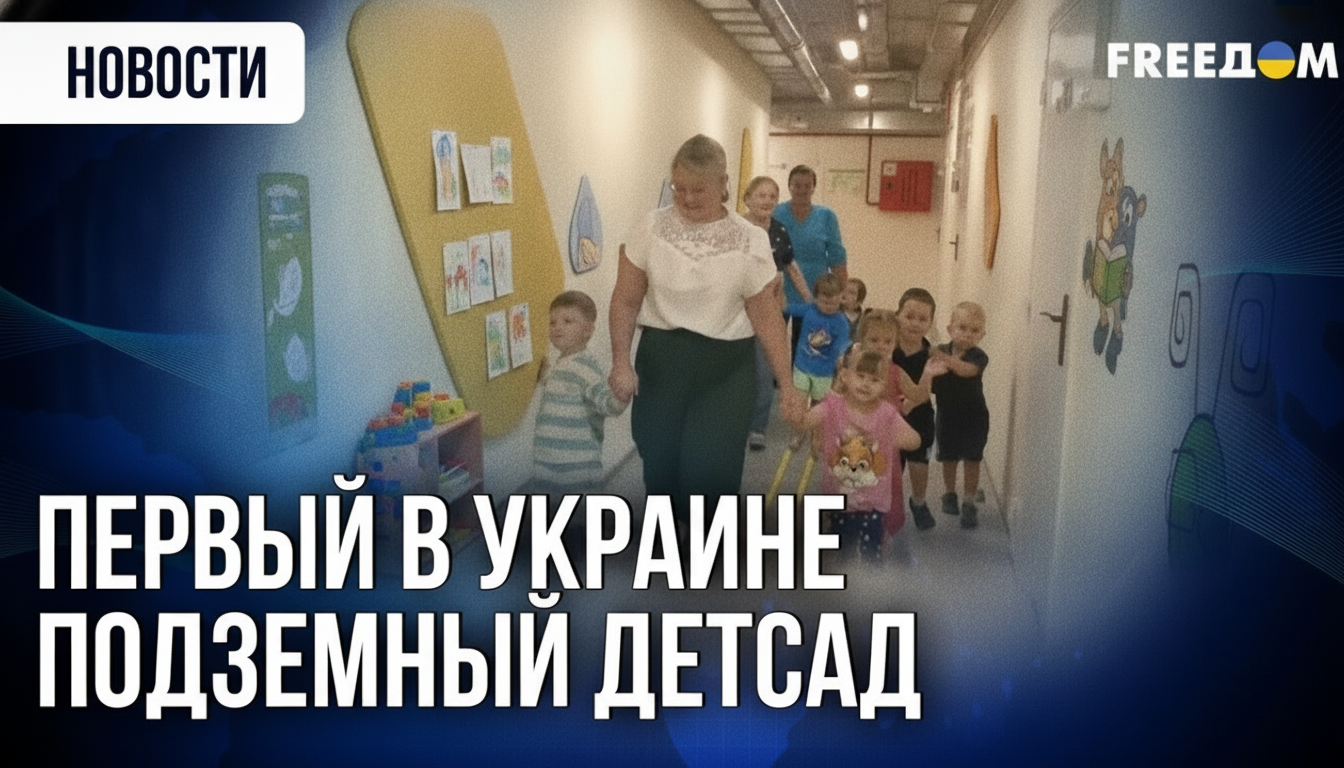
- Ukraine’s first underground kindergarten opens in Kharkiv, accommodating 260 children
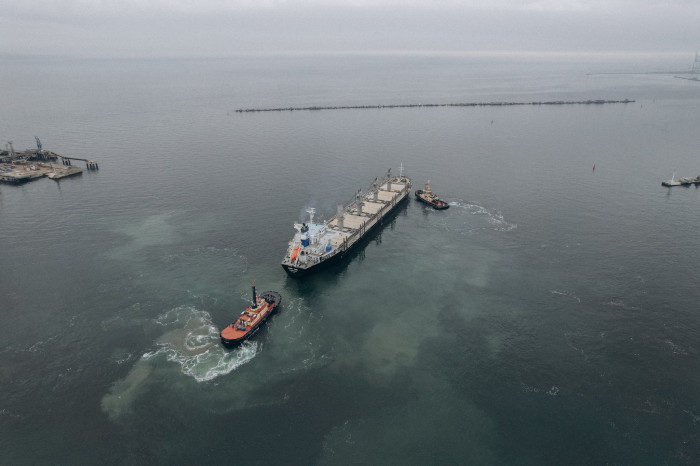
- Ukraine's ports crippled by Russian strikes: 28 vessels hit, 21 killed
- 24 Children Rescued from Occupied Territories by Save Ukraine, Including Injured 13-Year-Old Anhelina
- Woman Faces Up to 7.5 Years in Prison After Attacking Children for Speaking Ukrainian in Poland
- One of the Most Recognizable Voices on Ukrainian Radio, Journalist Oleksandr, Has Passed Away