Rosh Hashanah in September 2025: What the Jewish New Year Means and How It Is Celebrated.


According to inkorr.com: The Jewish New Year, known as Rosh Hashanah, is an important event for Jews, as it marks not only the change of the calendar date but also the day of the creation of people - Adam and Eve, as recorded in the Holy Scriptures.
In 2025, Rosh Hashanah falls on September 22-24, as there is no fixed date for this holiday. The holiday is celebrated on the first day of the month of Tishrei in the Jewish calendar, which is actually lunar-solar.
Why the Jewish New Year is Celebrated in the Fall
Rosh Hashanah occurs at the beginning of the month of Tishrei, which is the seventh month of the Jewish calendar. Jews believe that the world was created in this month, so the holiday symbolizes the end of the old year and the beginning of a new one, marking the start of the year 5785 in the world’s calendar.
This period is associated with many biblical events, such as the creation of the first people and the tasting of the forbidden fruit.
The Significance of the Jewish New Year
Rosh Hashanah is considered the Day of Judgment, when God assesses people's deeds. During the holiday, one is expected to reflect on their actions over the past year, repent for sins, and seek reconciliation with God.
The celebrations last for 10 days of prayer and repentance known as the 'Days of Awe', which culminate in the holiday of Yom Kippur. This time allows people to review their lives and improve them.
Traditions of Celebrating the Jewish New Year
During Rosh Hashanah, Jews go to synagogues, pray, and listen to the sounds of the shofar. They also perform the ritual of Tashlich, casting crumbs into the water, symbolizing the casting away of sins.
Festive tables feature apples with honey, the head of a fish or ram, and various vegetables and fruits, symbolizing abundance and well-being in the coming year.
Rosh Hashanah, as the Jewish New Year, is celebrated on an autumn evening and holds an important place in the religious calendar of Jews. This holiday symbolizes new beginnings and the Day of Judgment before God, marked by numerous traditions, prayers, and rituals that emphasize the significance of repentance and reconciliation in each individual's life.
This period allows the community to restore spiritual values and unite in prayer, delving into their own thoughts about the past and future. Rosh Hashanah calls everyone to self-reflection, making this holiday not only a religious experience but also a personal one for many believers.
Read also
- Three Ukrainians Without Documents Rescued from Occupied Territories Under Bring Kids Back UA Initiative
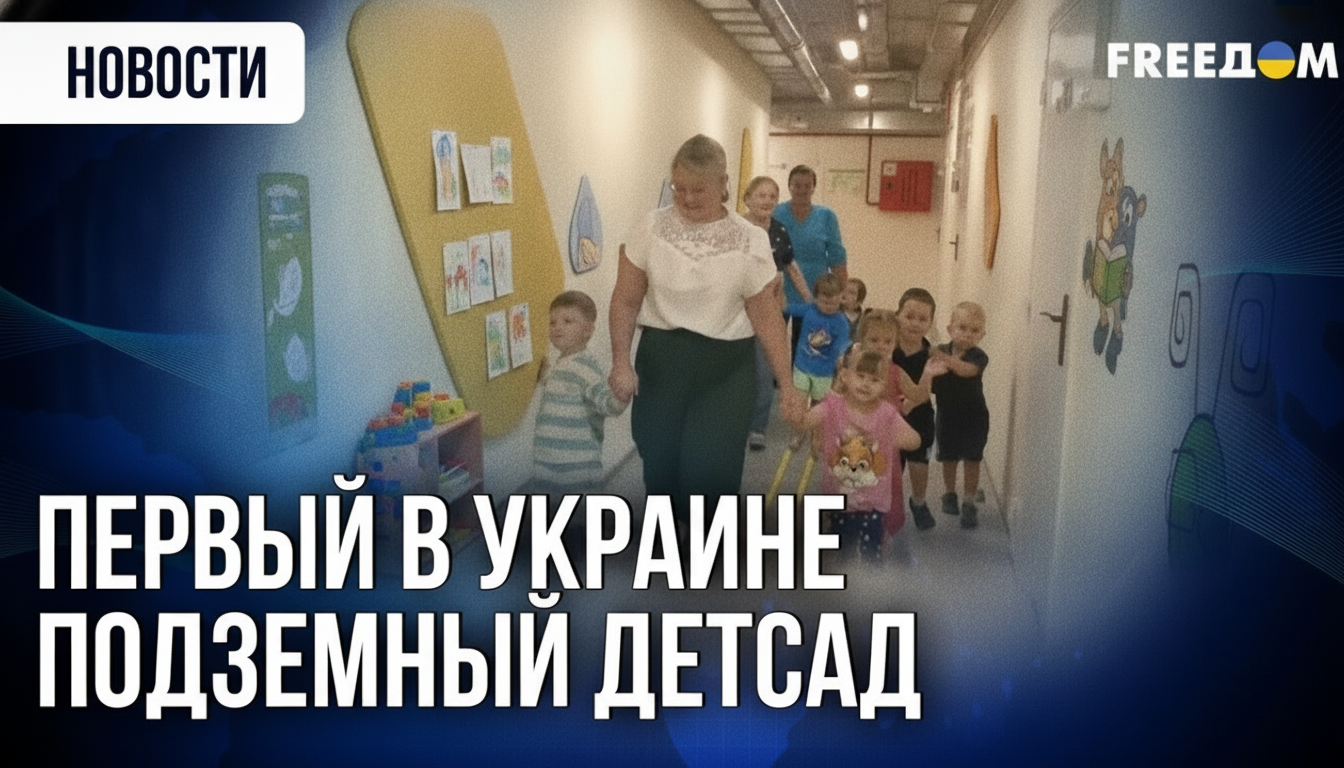
- Ukraine’s first underground kindergarten opens in Kharkiv, accommodating 260 children
- Ukraine's ports crippled by Russian strikes: 28 vessels hit, 21 killed
- 24 Children Rescued from Occupied Territories by Save Ukraine, Including Injured 13-Year-Old Anhelina
- Woman Faces Up to 7.5 Years in Prison After Attacking Children for Speaking Ukrainian in Poland
- One of the Most Recognizable Voices on Ukrainian Radio, Journalist Oleksandr, Has Passed Away