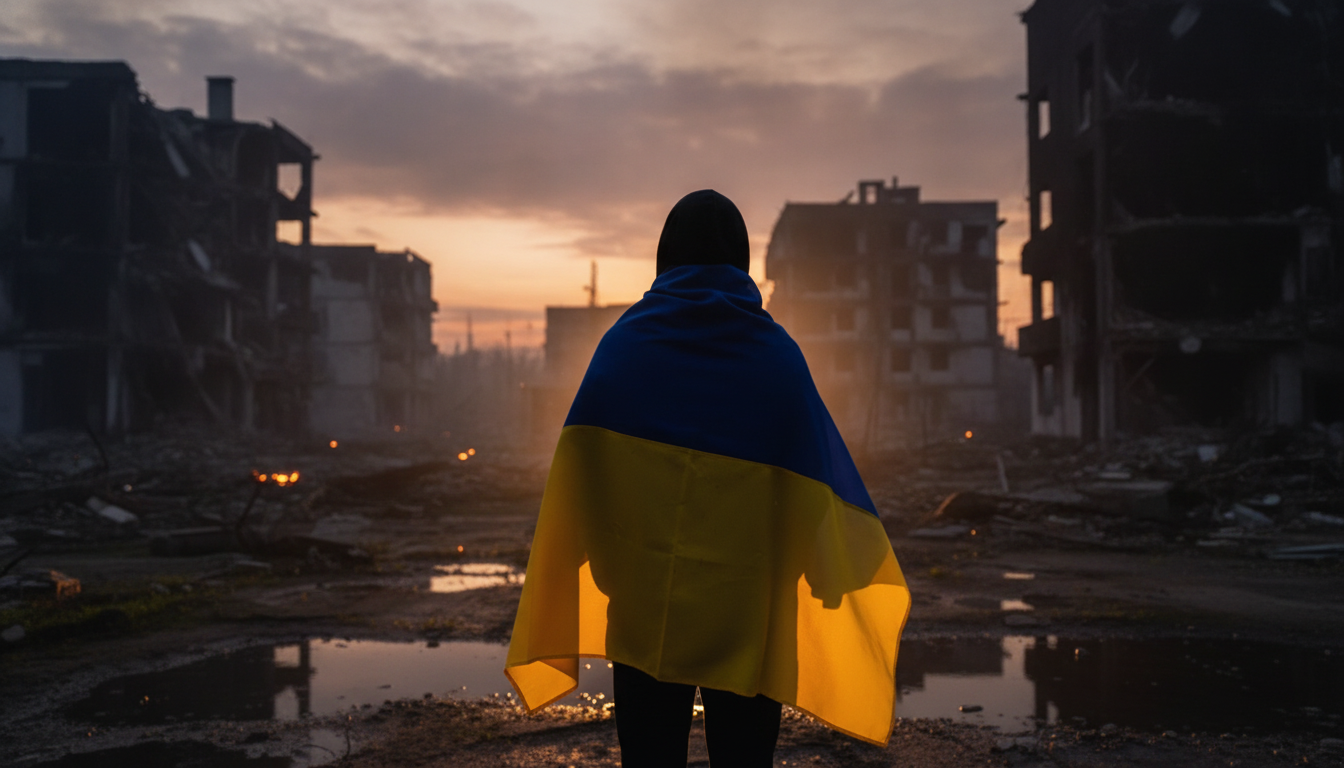








European Nations and Citizens Prepare for Potential Conflict.
European Nations Bolster Crisis Preparedness
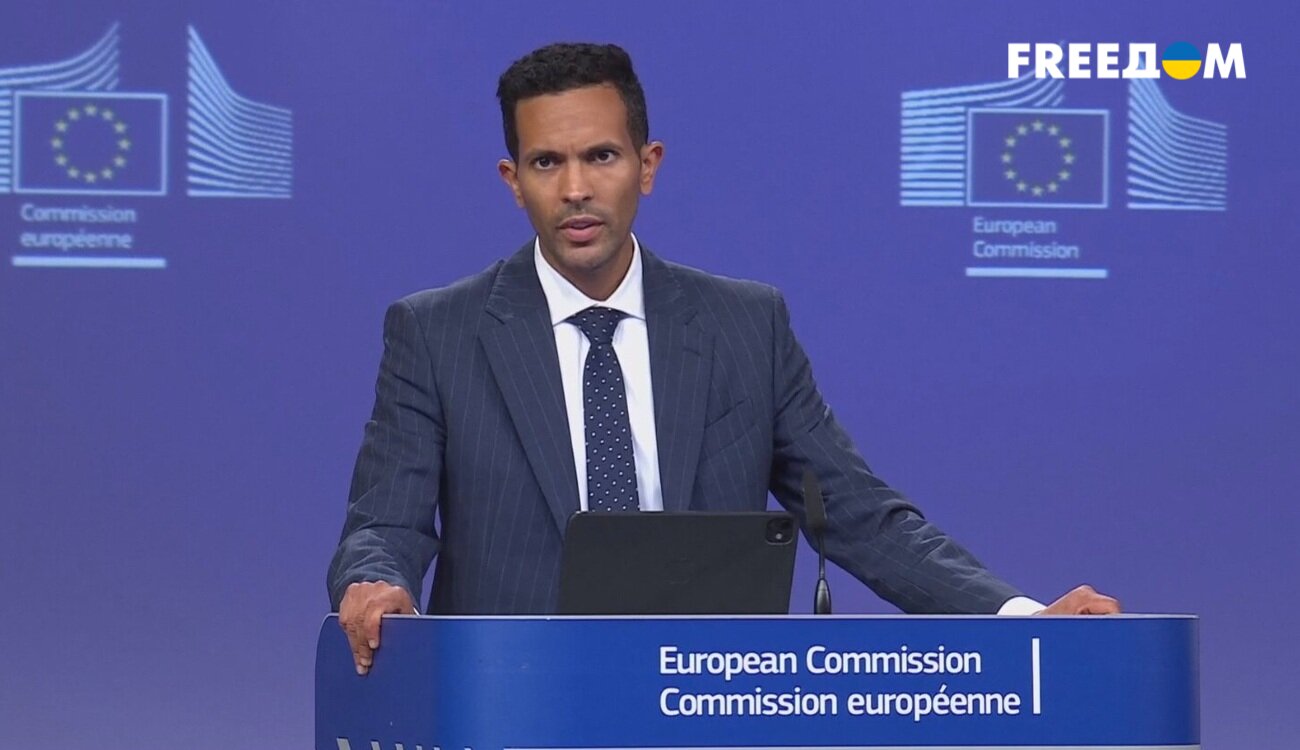
According to TSN.ua: In response to unprecedented threats, including military conflict and cyberattacks, European nations are revising security strategies and urging their citizens to prepare. The European Commission has released a new Crisis Preparedness Strategy, emphasizing that the European Union faces a new level of danger. Authorities advise that civilians should be ready to be self-sufficient for at least the first 72 hours of any major emergency.
Germany has published a brochure titled 'Preparing for Crises and Disasters,' offering guidance for a potential war scenario. German citizens are advised to maintain personal stockpiles of essential supplies for a minimum of 10 days, including:
- Food
- Water
- Medication
- Hygiene products
The European Commission notes that 'the first hours of a crisis are the most critical.'
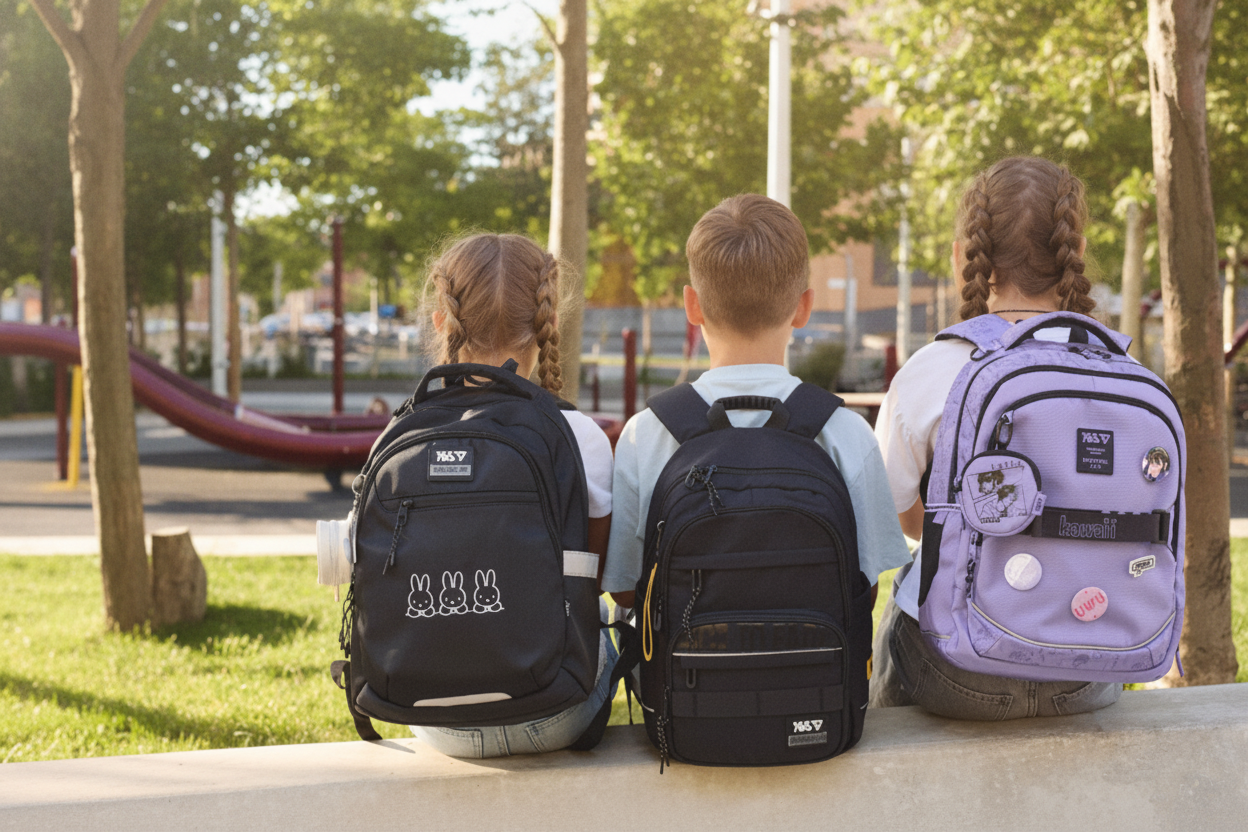
Reflecting this heightened state of alert, Poland has begun selling pre-packed 'evacuation backpacks' containing emergency supplies. Meanwhile, Sweden recommends its citizens keep a cash reserve of at least 1,000 Swedish kronor per adult, sufficient for roughly one week. This shift marks a significant change in public policy for many traditionally secure European states.
Middle East Tensions and Broader Planning
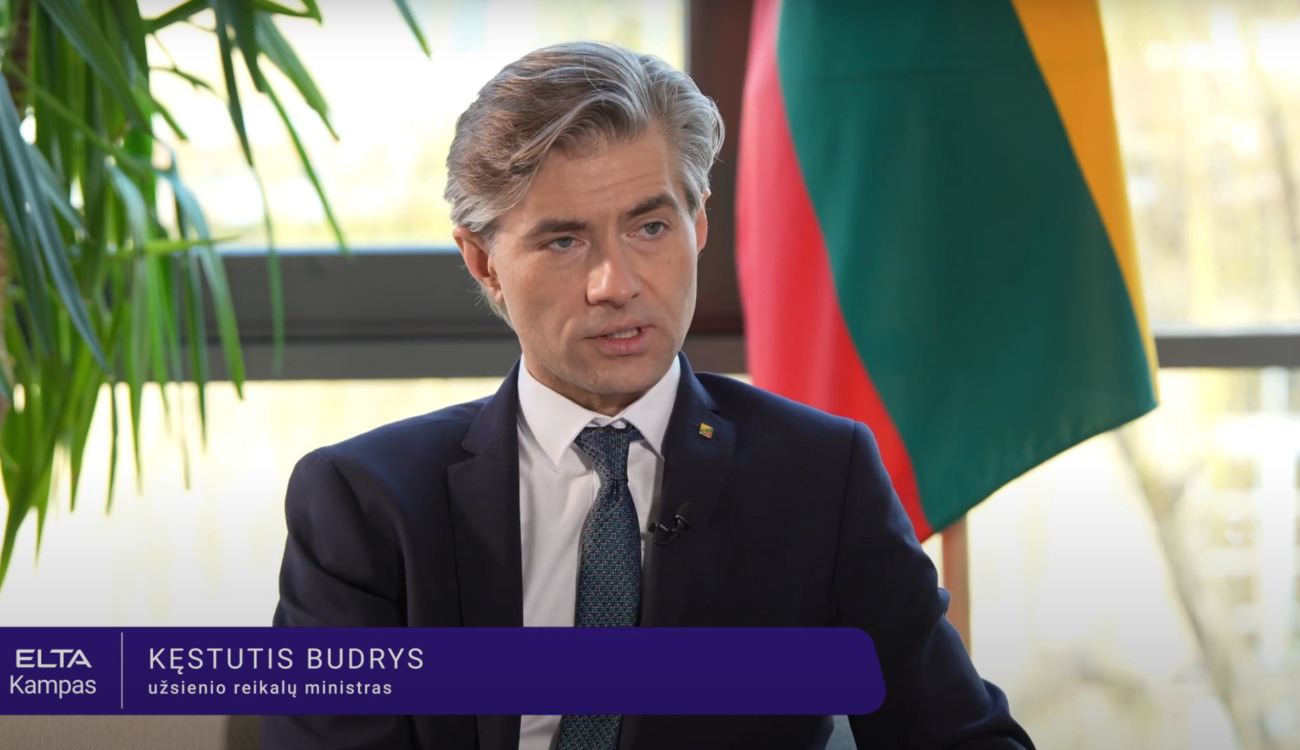
Concurrently, ten Northern European countries are developing coordinated plans for the evacuation of civilians in the event of a serious crisis or war. The security situation is further complicated by escalating tensions in the Middle East. The United States and Israel are conducting a joint military operation named 'Epic Fury,' and U.S. President Donald Trump has stated that potential military action against Iran could last approximately four weeks.
Following strikes by the U.S. and Israel, the conflict in Iran has resulted in over 870 reported fatalities.
The proactive measures across Europe underscore the gravity of the current international landscape and the perceived need to enhance civilian resilience. These actions reflect deep-seated concerns over ongoing conflicts and a strategic drive to ensure regional stability amidst growing global challenges.
Read also
- Trump Predicts Iran Deal Within Two Weeks: What We Know About the Talks
- Jerusalem Patriarch to Mediate Ukraine-Russia Talks: Key Negotiation Details Emerge
- 2026 World Cup Participants Denied Entry to the U.S.: Visa Rejection Hits Referee
- Iran Signals Readiness for Both Talks and Warfare in Response to U.S. Blockade
- Closed-Door Talks Between Zelensky and Trump’s Inner Circle: What We Know
- Trump's Iran Policy Has Painted Him Into a Corner: What’s Happening Now