European Nations Revise Key Policies for Ukrainian Refugees.

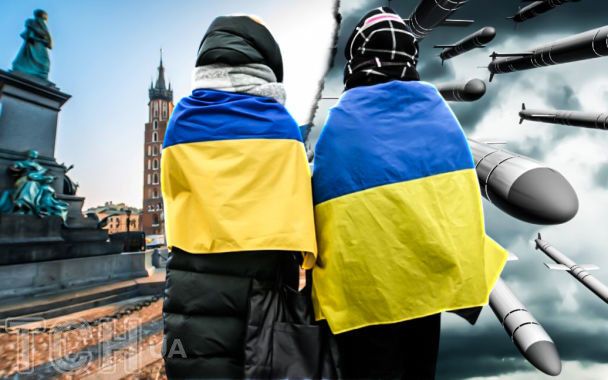
Policy Shifts for Ukrainian Refugees Across Europe
According to TSN.ua: Several European nations are implementing new regulations affecting Ukrainian refugees, altering requirements for registration, employment, and healthcare access. These policy changes will significantly impact the daily lives and long-term stability of Ukrainians residing in these countries. This comes as many European governments adjust their support frameworks in response to the prolonged nature of the conflict.
Country-Specific Regulatory Updates
-
In Germany, vehicles with Ukrainian license plates must be re-registered locally after one year in the country. Fines for using an unregistered vehicle range from 70 to 105 euros.
-
The United Kingdom, host to over 300,000 Ukrainians, has extended the application window for visa extensions from 28 to 90 days, aiming to simplify the process for those wishing to remain.
-
The Czech Republic plans to block simplified access to long-term residency status. To qualify, applicants must now demonstrate an annual income exceeding 440,000 Czech crowns (over 17,000 euros).
-
Poland has enacted major changes: President Karol Nawrocki signed a law extending the legal stay for Ukrainians until March 4, 2027. However, access to free public healthcare for most Ukrainians will be terminated starting March 5, 2024.
-
Ireland has prolonged the validity of immigration permissions for Ukrainians until March 4, 2027, providing more time for individuals to stabilize their situations.
-
Slovakia has similarly extended temporary protection for Ukrainian displaced persons until March 4, 2027.
-
Norway intends to modify its rules for accepting Ukrainian refugees, specifically by ending automatic temporary protection for men of conscription age.
These evolving policies across Europe reflect a broader adjustment to the ongoing realities of the refugee situation. For Ukrainians seeking safety and new opportunities, staying informed about these new requirements is crucial for successful adaptation. Navigating these legal changes can be decisive in ensuring stability and security for those displaced from their homeland.
Given persistent challenges like economic hardship and social integration, it is vital for Ukrainians to be attentive to new conditions and proactively seek available support during their adaptation process.
Read also
- EU Council Extends Ukrainian Protection Until 2028: New Rules Target Men
- EU Commissioner Confirms Extended Protection for Ukrainians Through 2027: What It Means for Men of Draft Age
- Finland Extends Border Closure with Russia: What It Means for Ukrainians
- Kremlin Propaganda Exploits AI and Deepfakes to Stoke Panic Over Migrants in Ukraine
- Over 1.15 Million Ukrainians in the EU Keep Their Status: New Restrictions Don't Apply to Them
- 1,100 Border Violators Detained in May as Government Lifts Female Travel Restrictions