Russian FSB Uses Schools to Pressure Occupied Luhansk Residents, Compiling Family Dossiers.

FSB Pressure on Civilians in the Luhansk Region
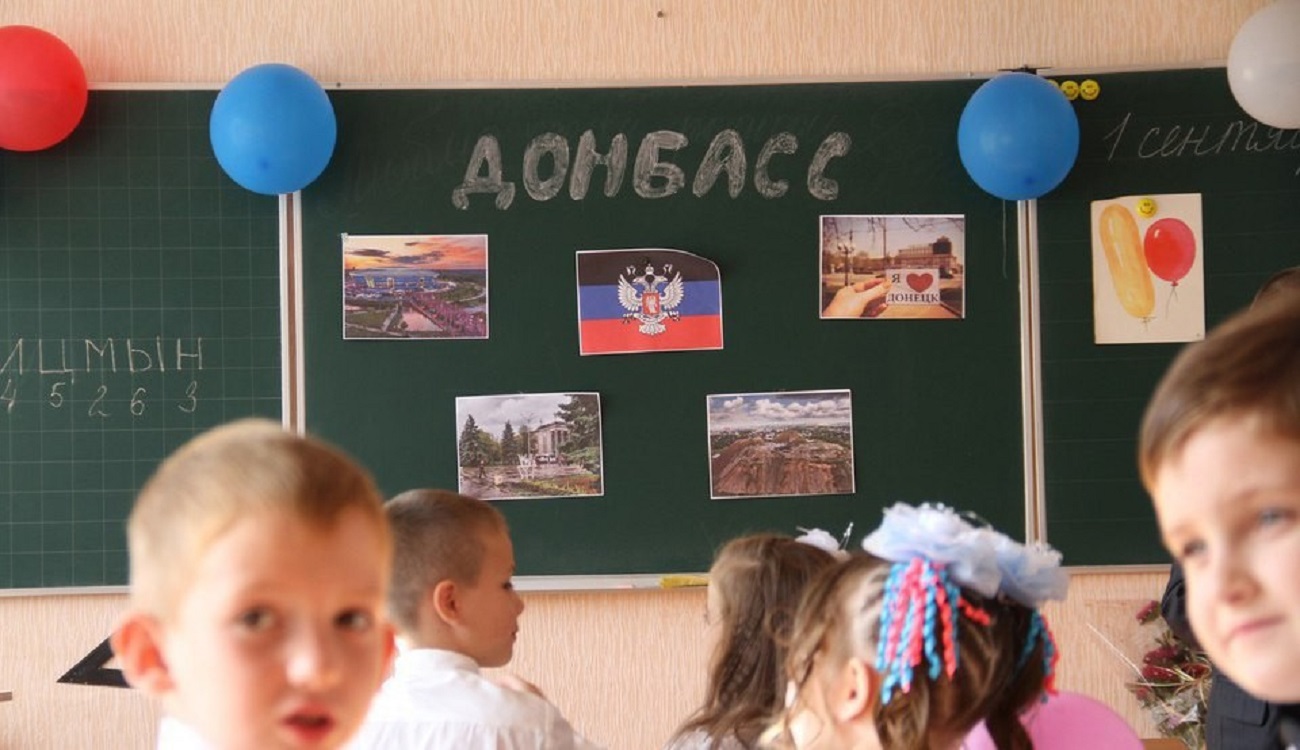
According to UATV: In the occupied Luhansk region, Russia's Federal Security Service (FSB) is coercing civilians through the school system, forcing teachers to collect detailed information on students' families. This practice is part of a broader campaign of surveillance and control in territories seized since the 2022 invasion. For instance, at School No. 15 in the FSB-controlled city of Sievierodonetsk, authorities are using this gathered data to compile lists of families deemed 'unreliable.'
The collected information is specifically used to identify individuals who:
- refuse to obtain Russian passports and documents;
- have relatives who have moved to Ukrainian-controlled territory;
- avoid participating in pro-Russian propaganda events.
Families placed on these lists are then subjected to so-called 'preventive conversations,' where FSB agents make direct demands: to obtain Russian documents and demonstrate loyalty to the occupying authorities.
Implications and Consequences
This situation highlights the FSB's intensifying control over the local population and the weaponization of educational institutions for intelligence gathering. Such actions are creating widespread anxiety among residents, who face daily pressure and threats, eroding any sense of normalcy. The coercive environment mirrors tactics long used by Russian security services in other contested regions.
The growing FSB oversight of schools in Luhansk underscores the occupation strategy to consolidate influence by monitoring dissent. Forcing educators to spy on pupils' families appears to be a component of a wider policy aimed at rooting out opposition and tightening societal control. This systemic coercion is likely to severely damage trust between citizens and educational institutions, potentially causing long-term harm to social cohesion in the region.
Read also
- Three Ukrainians Without Documents Rescued from Occupied Territories Under Bring Kids Back UA Initiative
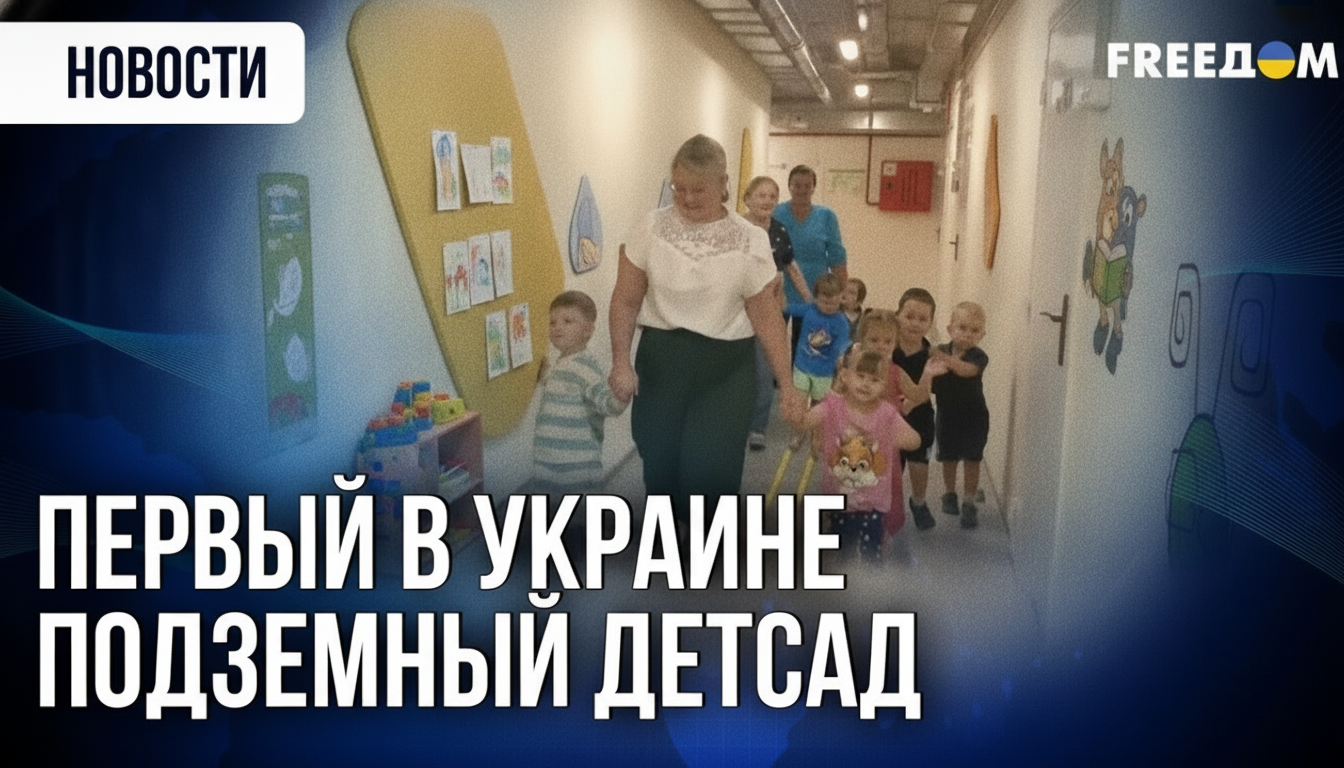
- Ukraine’s first underground kindergarten opens in Kharkiv, accommodating 260 children
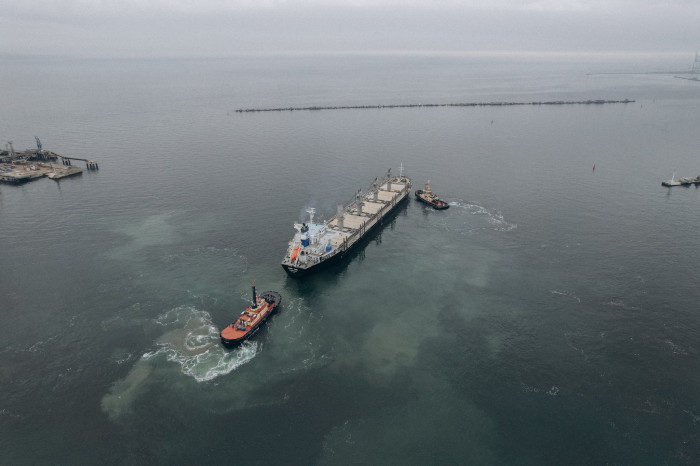
- Ukraine's ports crippled by Russian strikes: 28 vessels hit, 21 killed
- 24 Children Rescued from Occupied Territories by Save Ukraine, Including Injured 13-Year-Old Anhelina
- Woman Faces Up to 7.5 Years in Prison After Attacking Children for Speaking Ukrainian in Poland
- One of the Most Recognizable Voices on Ukrainian Radio, Journalist Oleksandr, Has Passed Away