Ukrainians' Willingness to Endure War Drops to 54%: Who Is Most Exhausted.

Declining Tolerance for War Among Ukrainians
According to Novyny.live: A survey by the Kyiv International Institute of Sociology (KIIS) reveals that the share of Ukrainians willing to endure the war fell from 65% in January to 54% in March 2026. This marks a significant shift in public sentiment, particularly among those who would consider trading control of Donetsk Oblast for security guarantees.
In late January 2026, 65% of respondents said they were prepared to tolerate the ongoing conflict. By mid-February, that number had dropped to 52%, and by March 2026, only 54% still supported enduring the war. Meanwhile, 28% of those surveyed indicated they could only tolerate the war for a few months or up to half a year, signaling a growing impatience with the prolonged crisis.
Socio-Economic Context
The sharpest decline in war tolerance was recorded among those open to exchanging control of Donetsk Oblast for security guarantees. This group shrank from 38% in January to 26% in March. Among those who view this scenario as difficult but acceptable, the figure dropped from 58% to 35%. Even among those who categorically reject such a trade-off, willingness to endure the war fell from 74% to 67%.
In February 2026, Ukrainian authorities plan to audit citizens' income levels, a move that could further shape public perceptions of the war and openness to compromise. At the same time, in December 2025, a high percentage of Russians still supported the war against Ukraine, though a growing number oppose active hostilities. These dynamics may influence social attitudes in both countries as the conflict drags on.
The drop in Ukrainians' willingness to endure the war may reflect a society increasingly fatigued by the prolonged conflict.
Specifically, the income-level review could provide additional insights into how socio-economic challenges affect war perceptions and potential future compromises. It may also mirror broader public moods and the capacity to support political decisions related to peace and security.
Read also
- Ukrainians Face Rising Attacks in Poland; Consulate Urges Authorities to Act
- Survey Finds Ukrainian Women Have Adjusted to War but Not Yet Healed
- Three Ukrainians Without Documents Rescued from Occupied Territories Under Bring Kids Back UA Initiative
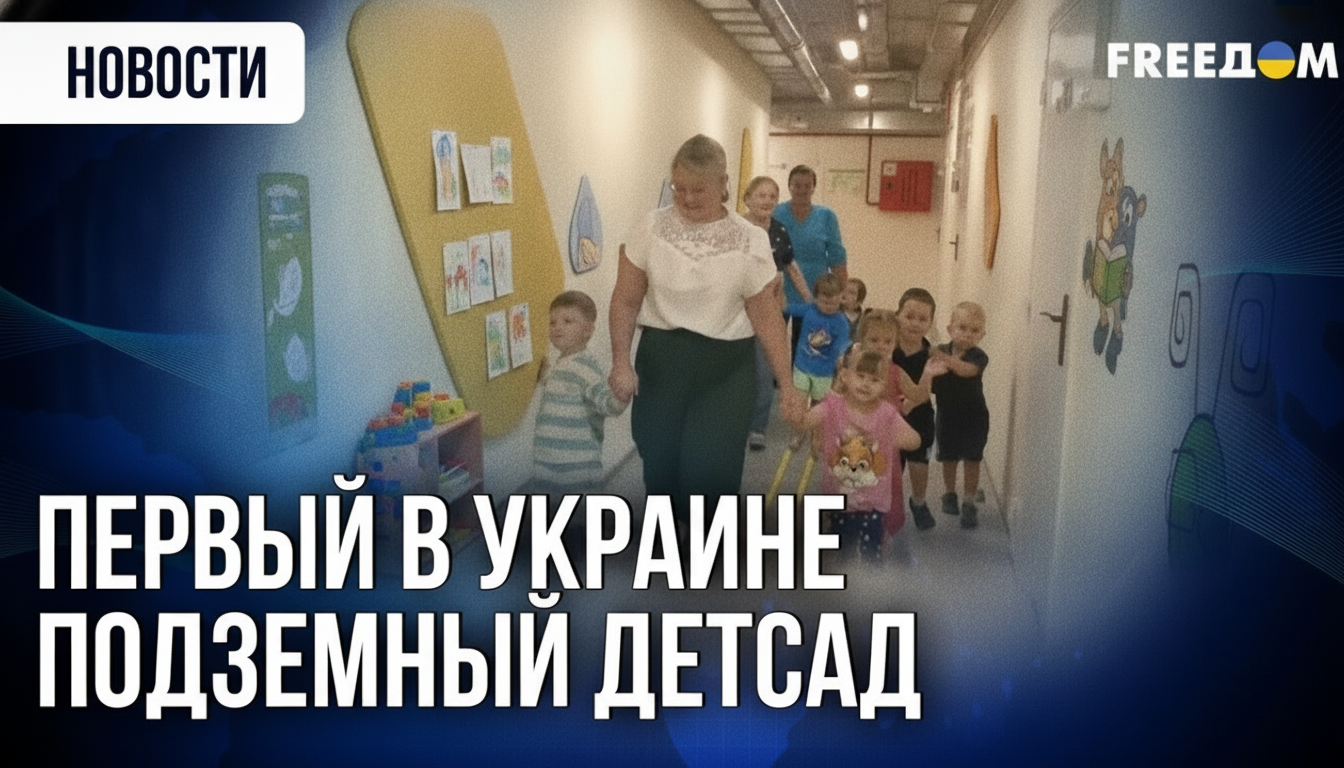
- Ukraine’s first underground kindergarten opens in Kharkiv, accommodating 260 children
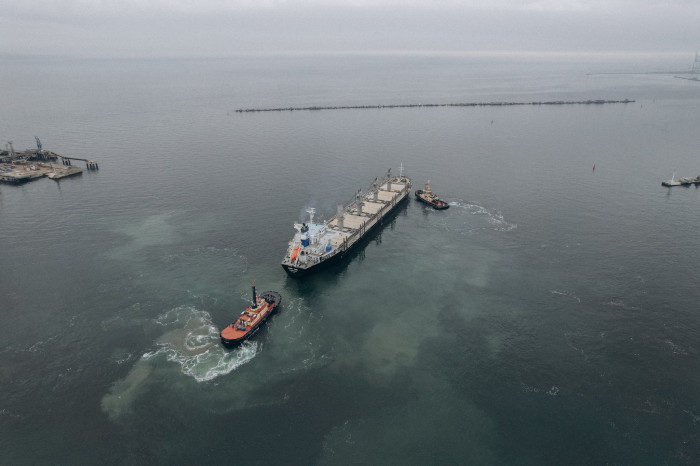
- Ukraine's ports crippled by Russian strikes: 28 vessels hit, 21 killed
- 24 Children Rescued from Occupied Territories by Save Ukraine, Including Injured 13-Year-Old Anhelina