Hard Skills: What They Are and How to Develop Them for Your Career.

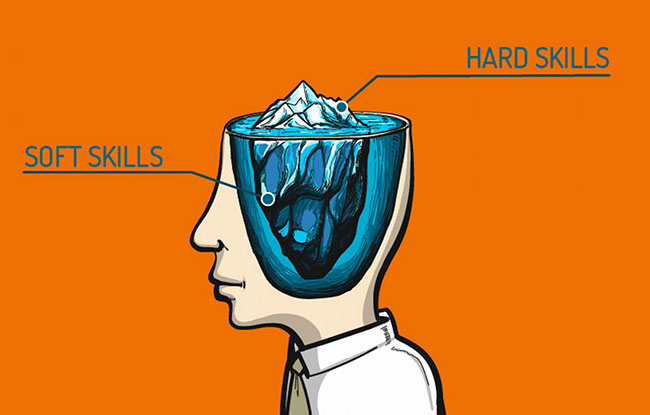
According to inkorr.com: Every progressive individual should understand what hard skills are. They are significant not only for crafting a resume but also for subsequent career development.
In today's world, professional skills that allow for effective job performance and achieving high results have gained special importance. One of the primary categories of these skills is hard skills, which represent specific knowledge and abilities required for professional tasks.
What are hard skills?
Hard skills are characterized by their measurability and the potential for formal verification, for example, through testing or certification. Possessing a high level of these skills allows a specialist to effectively perform their job and quickly adapt to new conditions in the professional sphere, mastering new tools and technologies. For employers, hard skills are an indicator of qualification, while for specialists, they provide an opportunity for career growth and increased competitiveness in the labor market.
Examples of hard skills include programming languages, skills in working with professional equipment, knowledge of accounting, analytical abilities, and proficiency with graphic editors. Such skills are typically formed during education at higher educational institutions, specialized courses, or through practical work experience.
Hard skills can be formalized: passing a certification exam, showing a portfolio, or providing test results that confirm the professional level.
How are hard skills different from soft skills?

The main difference between hard skills and soft skills lies in their measurability. Hard skills are easily verified through practical tasks, whereas soft skills, encompassing communication abilities, time management, and emotional intelligence, are difficult to formalize. For instance, knowledge of programming is a hard skill, while the ability to work in a team is a soft skill. Both types of skills are important for professional development: without hard skills, a specialist will be unable to perform specialized work even if they possess good soft skills. On the other hand, solely technical skills without communication skills may hinder career advancement. Therefore, modern companies look for specialists with a combination of both skill types.
Examples of hard skills in different fields
Hard skills vary depending on the profession and specific responsibilities. In the IT sector, examples might include proficiency in programming languages (Java, Python, C++), database management skills, and knowledge of algorithms. In marketing, hard skills include analytics, SEO, SMM, and graphic design. In finance, it's essential to manage bookkeeping, financial planning, and reporting. In medicine, hard skills encompass proficiency with medical instruments and knowledge of treatment protocols. In manufacturing, working with technical drawings and knowledge of technological processes are crucial. These examples highlight that hard skills are profession-specific and form the basis of professional competence.
How to develop and improve hard skills?
Developing hard skills requires a systematic approach and continuous practice. It's important to study theoretical material through courses, books, and also to apply knowledge practically in projects and internships. Obtaining feedback, analyzing mistakes, and refining skills is beneficial. Certification programs, conferences, hackathons, and training sessions help demonstrate knowledge in practice. Regularly updating knowledge is a key aspect of maintaining high skill levels, especially in dynamic fields such as IT and marketing.
Why are hard skills important for career and business?
Developed hard skills significantly impact productivity and the competitiveness of employees and companies. This means the ability to tackle complex tasks, hold high positions, and earn a higher salary. For businesses, having qualified specialists ensures product quality and enhances productivity. Hard skills help companies quickly adapt to changes and innovations, which increases client trust and improves brand reputation.
Balance between hard and soft skills

To achieve success in a career and business, a balance between hard and soft skills is vital. Technical skills enable tasks to be performed at a high level, while soft skills ensure effective communication and time management. For example, a developer with excellent programming knowledge without teamwork skills cannot fully realize their potential. Modern companies emphasize developing both types of skills, as their combination guarantees high results and maintains competitiveness in the market.
The balance between hard and soft skills also fosters professional development, expands career growth opportunities, and enhances motivation. A specialist with strong technical knowledge and social skills becomes a valuable resource for the company, capable of solving complex tasks and adapting to changes in the professional sphere, shaping a modern corporate culture focused on development.
Read also
- Three Ukrainians Without Documents Rescued from Occupied Territories Under Bring Kids Back UA Initiative
- Ukraine’s first underground kindergarten opens in Kharkiv, accommodating 260 children
- Ukraine's ports crippled by Russian strikes: 28 vessels hit, 21 killed
- 24 Children Rescued from Occupied Territories by Save Ukraine, Including Injured 13-Year-Old Anhelina
- Woman Faces Up to 7.5 Years in Prison After Attacking Children for Speaking Ukrainian in Poland
- One of the Most Recognizable Voices on Ukrainian Radio, Journalist Oleksandr, Has Passed Away