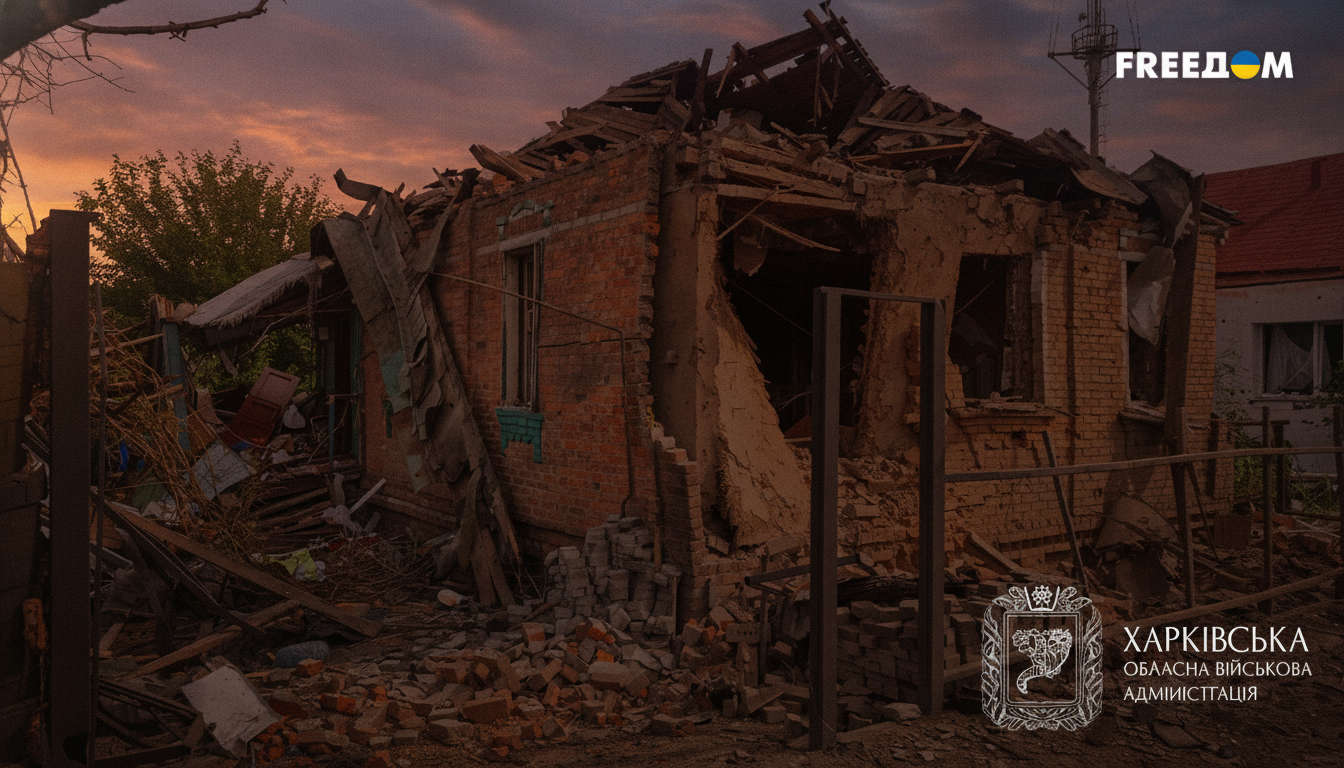
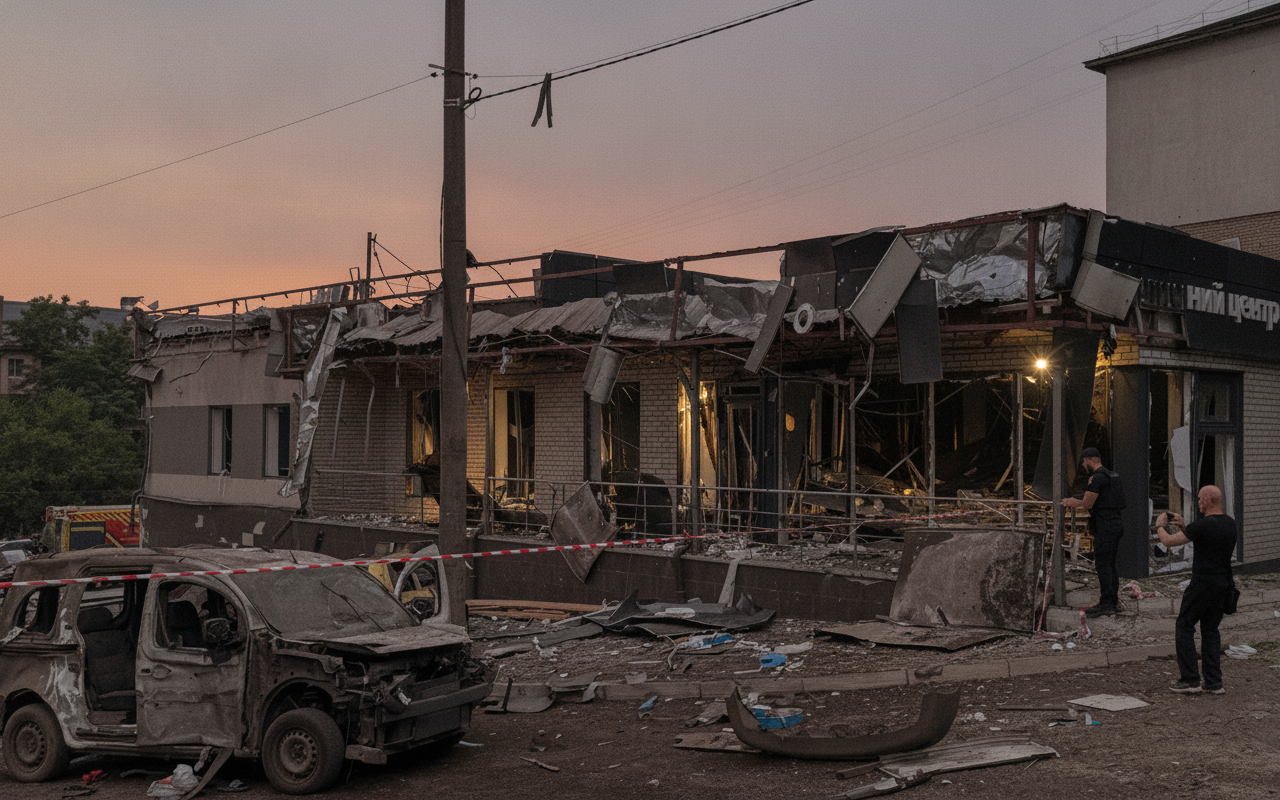
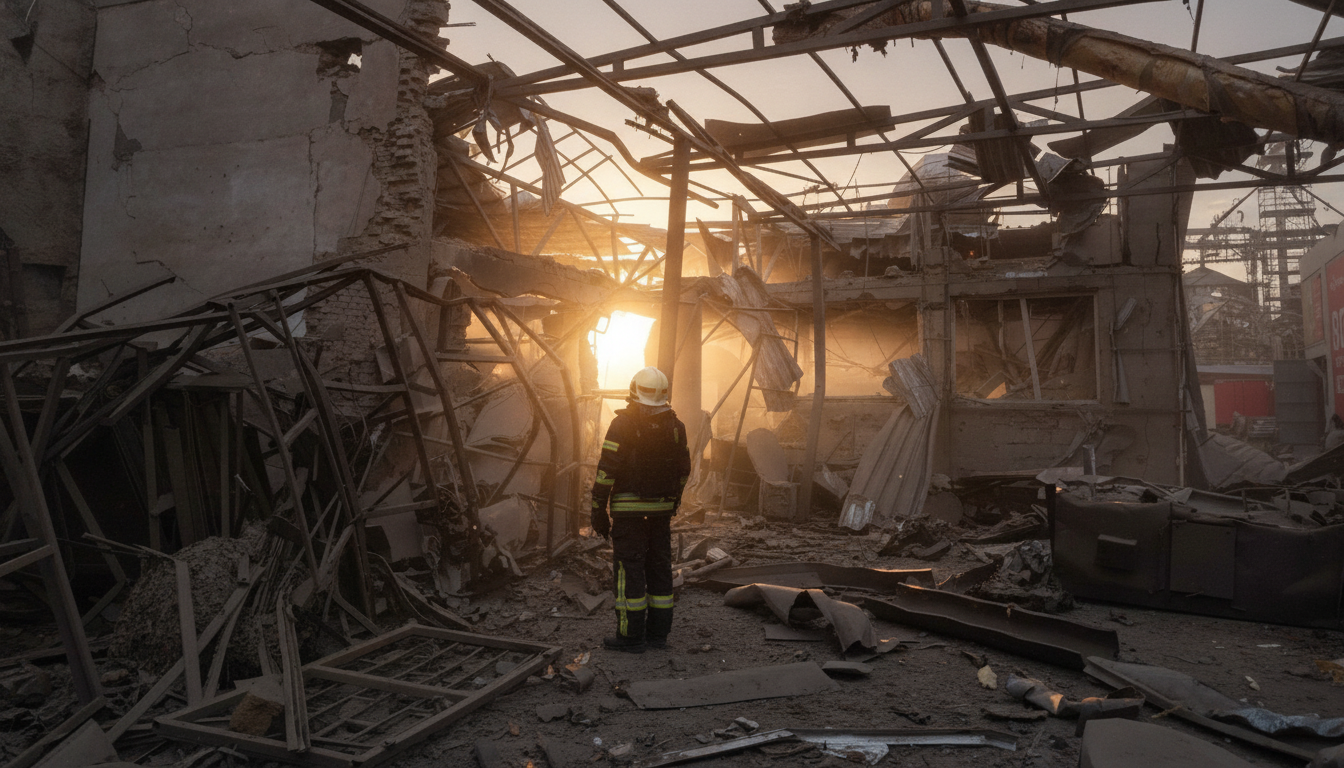
Kharkiv Region Shuts Down Ring Road After FPV Drone Strikes: Underground Schools and Evacuation Underway.


Current Situation in Kharkiv Region
According to Novyny.live: The Kharkiv regional administration is being forced to overhaul logistics and ramp up security measures in response to enemy FPV drone attacks. Plans are now in motion to reopen a blocked section of the ring road and construct underground shelters.
The ring road in the Kharkiv region was closed in late May due to repeated strikes by hostile FPV drones. In light of these developments, local authorities are taking steps to restore safety and improve transportation routes. Oleh Syniehubov, head of the Kharkiv Regional State Administration, stated:
“I believe we’ll have it done within about 10 days. After that, we will reopen this section, including for civilian vehicles.” - Oleh Syniehubov
Strengthening Security and Evacuation Efforts
As part of enhanced security measures, underground shelters are being actively constructed across the Kharkiv region. Planned facilities include:
- underground schools,
- hospitals,
- and Ukraine’s first underground kindergarten.
At the V.N. Karazin University, the shelter area will span 3,000 square meters, providing protection for students and faculty.
Additionally, the Kharkiv Regional State Administration, together with the city council, has allocated 2.8 billion hryvnias for military needs. These funds are aimed at bolstering the region’s defense capabilities amid the growing threat from the enemy.
Given the situation, an evacuation has been announced for 7 settlements in the Bohodukhiv district. More than 7,000 residents, including 1,702 children and 311 people with limited mobility, are seeking safe places to live. Authorities are taking every possible measure to ensure public safety and adapt to the new challenges facing the region.
The situation in the Kharkiv region highlights the critical need to adapt to emerging threats during an armed conflict. Local officials are actively working to protect civilians by building shelters and improving logistics—essential steps for both non-combatants and military personnel. These efforts demonstrate a concerted attempt to sustain daily life in the region under constant danger.
Read also
- Russian Strikes Hit Six Ukrainian Regions, Leaving Dead and Dozens Wounded
- July 19 Attack on Ukraine: Over 40 Missiles and 120 Drones Launched by Russia, Casualties Reported
- July 17 Missile Attack on Kharkiv: One Dead, Nine Wounded Including Children
- Three Wounded in Russian Airstrike on Izium, Including Two Children
- A Safe Learning Hub for 260 Children Opens in Pisochyn: Inside the New Facility
- Three Injured and Five Homes Damaged in Drone Strike on Valky