A Memorial in Kharkiv Asks Poles for Forgiveness: 25 Years of Wrestling with a Painful Past.

The Kharkiv Memorial to Victims of Totalitarianism: Its Role and Historical Memory
According to Espreso.tv: For a quarter of a century, the Kharkiv Memorial to Victims of Totalitarianism has served as a crucial site for preserving historical memory, highlighting the fraught relationship between Ukraine and Poland. It stands as a place to honor those who perished under Stalin’s repressions, as well as the Polish officers executed in Kharkiv in 1940. A stone at the memorial’s entrance bears the inscription: 'Forgive us, Polish brothers, for our lack of understanding and our silence while you were being shot on our land (1939–1940).' This wording underscores a complex history that demands precision when addressing the past.
In the spring of 1940, 3,809 Polish officers and 500 Polish civilians were executed in Kharkiv. This act of violence was ordered at the highest levels in Moscow, marking a tragedy that has deeply affected both nations. Additionally, 2,746 victims of Stalin’s purges from 1937–1938 are buried in the Sixth Quarter of Kharkiv’s Forest Park, a grim reminder of the region’s tragic events.
Reconciliation and Shared Memory
Notably, Kharkiv has become a sister city to Poznań, reflecting a shared desire for reconciliation and mutual understanding between the Ukrainian and Polish peoples. In this context, Volodymyr Kravchenko’s words, 'Memory that builds a bridge,' take on special significance, calling for the preservation of historical memory as a foundation for future relations.
The Kharkiv Memorial to Victims of Totalitarianism not only honors the dead but also encourages a reexamination of the past—a critical task in a world where historical memory is often manipulated. The complexity of Ukrainian-Polish relations demands careful and sensitive language, as such phrasing can shape how history is perceived and influence the future of both nations.
Beyond its function as a site of remembrance, the Kharkiv Memorial to Victims of Totalitarianism fosters dialogue between different cultures, a vital endeavor in the face of modern challenges. Cooperation between Ukraine and Poland, strengthened by their joint commemoration of totalitarian regime victims, could serve as a foundation for further developing bilateral ties. This stands as a reminder of the importance of historical justice and reconciliation—essential for building a stable future.
Read also
- Three Ukrainians Without Documents Rescued from Occupied Territories Under Bring Kids Back UA Initiative
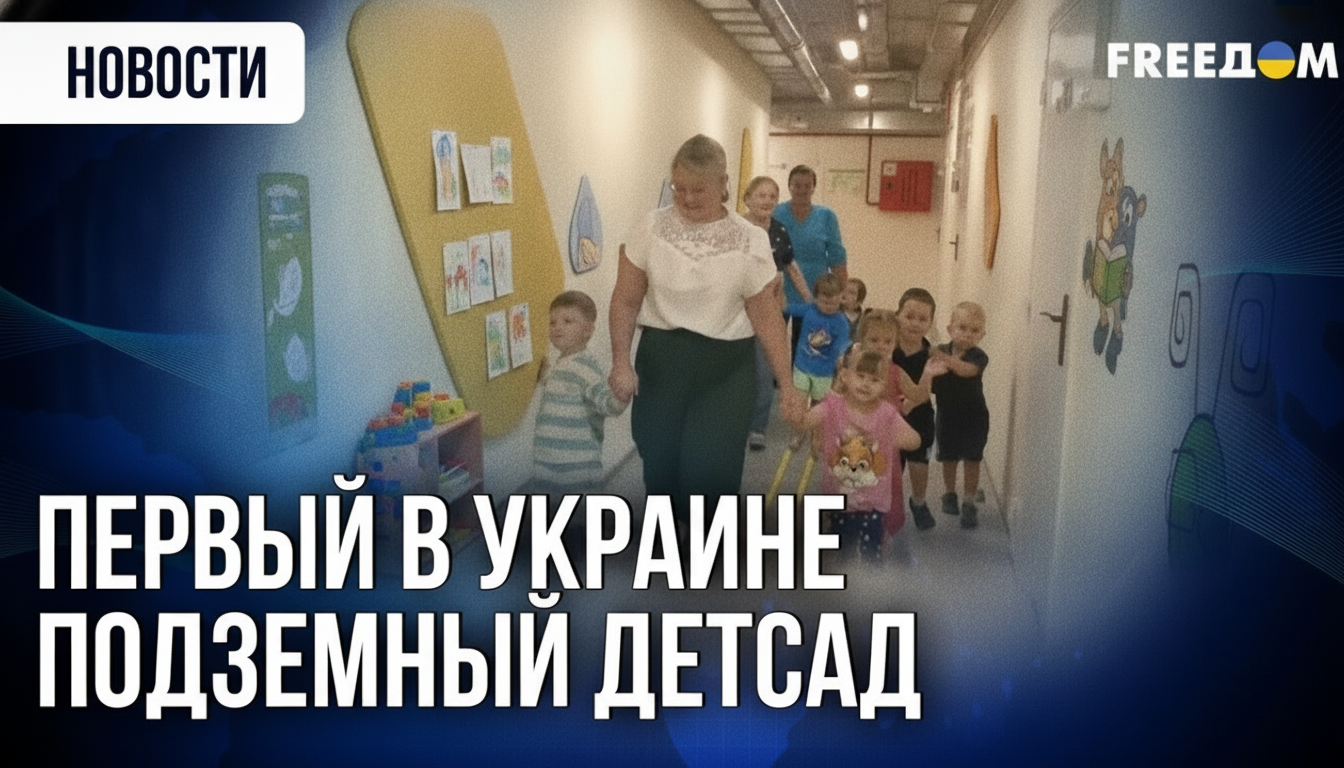
- Ukraine’s first underground kindergarten opens in Kharkiv, accommodating 260 children
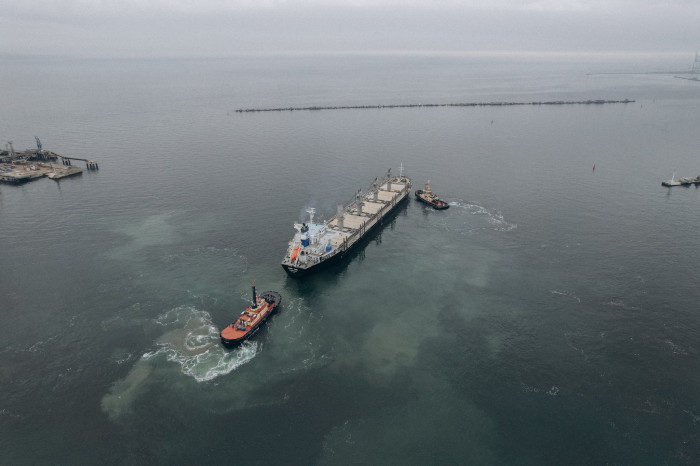
- Ukraine's ports crippled by Russian strikes: 28 vessels hit, 21 killed
- 24 Children Rescued from Occupied Territories by Save Ukraine, Including Injured 13-Year-Old Anhelina
- Woman Faces Up to 7.5 Years in Prison After Attacking Children for Speaking Ukrainian in Poland
- One of the Most Recognizable Voices on Ukrainian Radio, Journalist Oleksandr, Has Passed Away