Jimmy Kimmel removed from the program: How pressure from Trump through the FCC led to suspension.

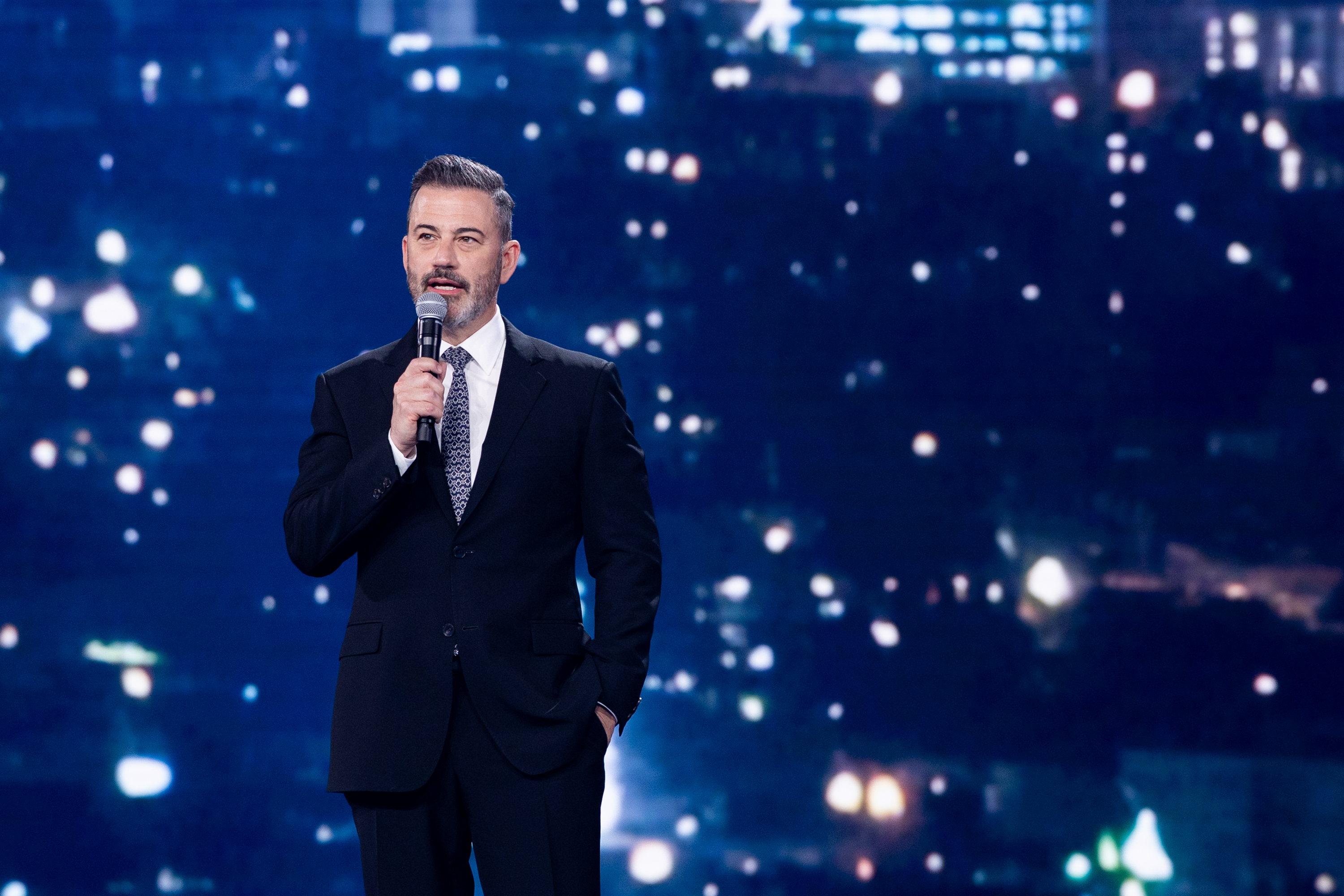
According to Vox: ABC has suspended the airing of Jimmy Kimmel's show indefinitely on Wednesday night after pressure from the Federal Communications Commission (FCC) over his comments regarding right-wing podcaster Charlie Kirk, who was arrested for murder.
The trigger for the suspension was Kimmel's words on Monday:
"We reached new lows over the weekend as the MAGA team tries to portray this guy, who murdered Charlie Kirk, as anything other than one of them, and do everything to gain political advantage from it."Many saw this as an implication that the shooter belonged to the right.
Typically, monologues in late-night shows are meant to be entertaining and not to conduct journalistic investigations. Therefore, it is extraordinary that Kimmel was suspended for a single monologue. Obviously, a decision to suspend would not have been made had there not been pressure from the FCC during Trump's era on Disney-ABC, and the pressure was exerted by the largest television station owner in the U.S., Nexstar Media. The company is currently awaiting FCC approval for its planned purchase of over $6.2 billion. On Thursday morning, amidst the outrage over Kimmel's suspension, it was revealed that ABC "hopes to resolve the issue and bring the show back."
Kimmel's Political Evolution
This controversy was a shocking turn in both the Trump administration's war against its critics and in Jimmy Kimmel's career, which had previously been apolitical. For most of his career, Kimmel embodied the archetype of the regular American. What could be safer and less controversial than that?
Kimmel began his career as a comedian and radio host, creating the image of an accessible, down-to-earth guy. In his first major television role as host of the Comedy Central show Win Ben Stein's Money in 1997, he was a stand-in for the audience, with a humorous demeanor and a working-class accent that provided a light alternative to Stein's learned snobbery. When Kimmel became co-host of The Man Show in 1999, he continued to play the same role, but with an emphasized crude style: he ogled attractive women and circulated petitions for the abolition of women's voting rights.
Read also
- Three Ukrainians Without Documents Rescued from Occupied Territories Under Bring Kids Back UA Initiative
- Ukraine’s first underground kindergarten opens in Kharkiv, accommodating 260 children
- Ukraine's ports crippled by Russian strikes: 28 vessels hit, 21 killed
- 24 Children Rescued from Occupied Territories by Save Ukraine, Including Injured 13-Year-Old Anhelina
- Woman Faces Up to 7.5 Years in Prison After Attacking Children for Speaking Ukrainian in Poland
- One of the Most Recognizable Voices on Ukrainian Radio, Journalist Oleksandr, Has Passed Away