Cybersecurity in the UK: how to start a career with a salary starting from £30,000.

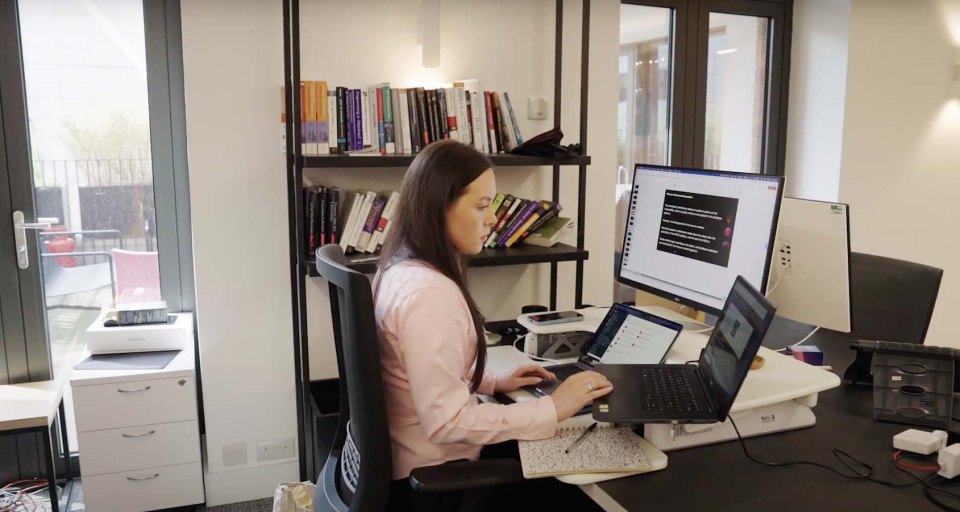
According to The Sun: Major hacker attacks on well-known brands such as Marks & Spencer and Co-op have disappointed consumers, but opened new career opportunities for many.
The field of cybersecurity is one of the fastest-growing in the UK: its value has increased by 12% since 2024 and reached £13.2 billion.
SuppliedRose, who works as a consultant in cybersecurity, noted: “It is incredibly gratifying - knowing that you are helping to protect people.”
Last year, over 11,000 people joined the field of cybersecurity, raising overall employment to 143,000. The UK government is supporting programs aimed at accelerating training and recruitment.
According to a recently published report 'Cybersecurity in the UK Workforce', starting salaries reached £30,000, while the average salary in the sector is already £55,000.
While many high-paying vacancies are concentrated in London and the south of the UK, demand in the cybersecurity field is observed across the country. Every fourth vacancy is remote, and there are also strong networks in the southwest, northwest, and Northern Ireland.
Vacancies include system testers, incident response specialists, digital forensic experts, security architects, as well as policy or business specialists.
The Minister for Technology, Kaniska Narayan, positively commented: “Whether you are a beginner or ready for a change, a career in cybersecurity offers exciting work, good pay, and real progression. If you are curious, can work in a team, and pay attention to detail, this is your field.”
To strengthen the talent pool in the field of cybersecurity, the government this week launched the first phase of the TechFirst program with £187 million, opening 350 scholarships for undergraduates. TechFirst will support over a million people in developing skills in AI, cybersecurity, and computer science.
Universities are also implementing the Cyber ASAP program, which supports scholars in developing startups based on their research.
To date, 34 companies have been launched with investments of £40 million, including Mindgard, a leader in the UK in the field of AI model security. The Cyber Runway program has helped launch over 230 startups and attract £12 million over the past four years, contributing to growth, hiring, and the global competitiveness of innovative companies in the UK.
‘You help protect people and businesses’
However, as women make up only 17% of workers in the cybersecurity field, more needs to be done to balance the recruitment process.
The CyberFirst Girls Competition, supported by IBM, opens this autumn and aims to encourage girls aged 12-13 to consider this field as a potential career path.
Find a role even without a degree
Want to build a career in cybersecurity? Here are a few tips on how to get started.
Don’t count yourself out: You don’t need a degree in computer science. What matters more is curiosity, problem-solving ability, teamwork, and attention to detail.
Many positions do not require higher education, and employers are actively hiring through internships, boot camps, and graduate programs.
Study the subjects: Immerse yourself in online games and competitions, read blogs and articles about the impact of cybersecurity.
Develop your skills: Gain practical experience. There are many well-known UK companies, such as TryHackMe and Hack the Box, which will help you develop your skills and offer online certification.
Find your specialization: The UK Cyber Security Council identifies 15 key careers.
Get involved in networking: By participating in industry events, you can meet leading employers, such as InfoSec and CyberUK.
HOW TO ENGAGE ALL YOUR EMPLOYEES
SuppliedThis week is dedicated to National Inclusion Week, when employers are encouraged to make workplaces more accessible for all employees.
This year's theme is “Now is the time,” and Nicola Hey from BPP Education Group and Skills England discusses how businesses can participate in this process.
Offer training for middle-aged and senior workers: Many people work longer, enjoying several careers, or even retrain in their 60s.
Companies should establish a culture of continuous learning through regular 'skills tests' for employees over 55 to help identify gaps or new interests.
Invest in skill development for women: Despite decades of equal pay legislation, the gender pay gap has begun to widen again.
Employers may consider flexible training for women that accommodates part-time schedules and caregiving responsibilities.
Ensure inclusivity when implementing AI: Start with accessible training on AI basics for all levels, from beginners to tech-savvy individuals.
Organizing hands-on workshops and mentoring can meet individual needs and learning styles of employees.
Embrace unconventional career paths: Climbing the career ladder is becoming less popular, and today’s workers often move sideways or even back.
Internships – a key to social mobility: Internships are a great opportunity for those seeking retraining or upskilling.
Maximize diverse recruitment based on motivation: Focus on motivation, practical problem-solving skills, and the ability to effectively apply knowledge in various situations.
DOUBLE TROUBLE
The cost of living crisis affects one in five workers in the UK who have two or more jobs, according to research.
Younger workers are the most affected: 42% of Generation Z juggle multiple roles.
Even full-time workers are taking on extra jobs: 17% have side jobs.
At the same time, nearly a third of all workers report taking on extra hours to cope with rising costs.
Kevin Fitzgerald, Development Director in the UK at Employment Hero, said: “Side jobs have turned from choice to necessity. If the pressure of rising costs doesn’t ease, second jobs will become less of an opportunity and more a matter of survival.”
SUPPORTING THE STORE
ASDA is expanding its supported internship program, providing opportunities for work to young people with learning disabilities.
This autumn, 119 students will begin year-long internships in 22 stores across the country, an increase from 66 last year.
Helen Selby, Interim Director of HR at ASDA, noted: “This initiative has a clear and lasting impact on our stores and local communities.”
Coach Connor Triffitt joined the ASDA store in Hull in September last year, working in the George clothing department.
He said: “It has helped me understand that I can set life goals and not let anything get in the way of achieving them. I learned to step out of my comfort zone.”
Vacancies
DB FOODS, a meat supplier, needs 240 workers, including chefs. Search at dbfoods.co.uk/careers.
ABM has vacancies for security guards, cleaners, service team leaders, and engineers. Search at abm.co.uk/careers.
Read also
- Trump Says Talks Possible as Oil Prices Crash After US and Iran Halt Attacks
- Sanctions Disguise Airline Bankruptcies as Rostec Plans a Restructuring of Russian Aviation
- Drone Strikes on CPC Terminal Drive Kazakhstan's Daily Oil Output Down to 133,200 Metric Tons
- Partial Restoration of Gasoline Output at Russian Refineries After Drone Strikes: 30-40% Capacity Recovered, but Full Repair Deemed Unlikely
- New U.S. Tariffs Hit 60 Nations: Here Are the Rates for the EU and Russia
- Russia’s Oil and Gas Revenue Set to Surge by 60%—Here’s What’s Driving the Jump