The Design Logic of Khrushchyovka Apartments: Compact Bathrooms and Combined Facilities.

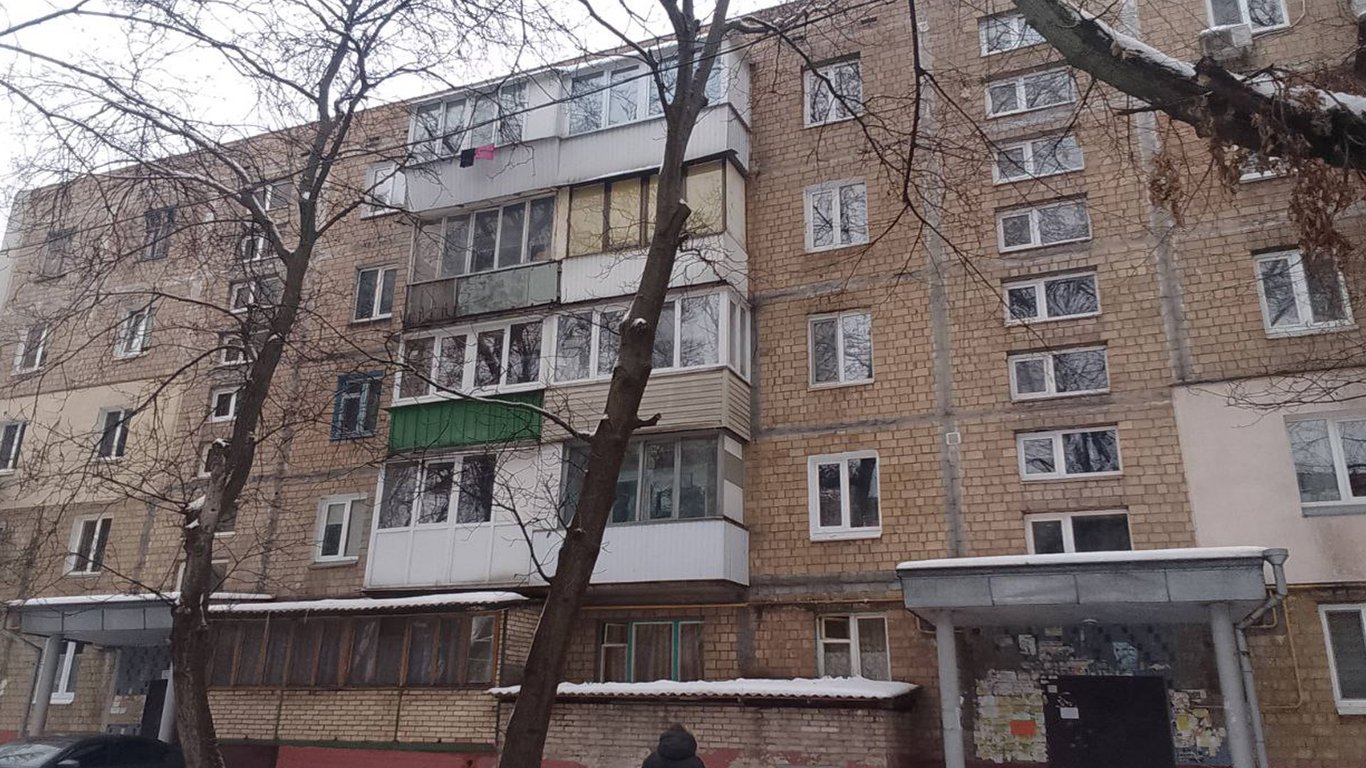
The Architectural Legacy of Soviet-Era Khrushchyovka Apartments
According to Novyny.live: First appearing in the 1950s and 60s, Khrushchyovka apartment blocks became a defining feature of the urban landscape across the Soviet Union. A key characteristic of these standardized dwellings was the design of their compact sanitary facilities, which offered certain practical benefits but also came with significant drawbacks. To maximize space in densely populated cities, these apartments were typically fitted with 120-centimeter (roughly 4-foot) sit-down bathtubs and combined bathrooms that measured a mere 3 square meters. These Khrushchyovkas, named for Soviet leader Nikita Khrushchev, were part of a massive push to solve a severe postwar housing shortage.
Practical Challenges and Shortcomings of the Design
It's important to note that many districts built with these apartments lacked a central hot water supply. This limitation popularized the use of gas-powered water heaters, or "geysers," in individual apartments. Despite offering basic amenities, the combined bathroom layout presented numerous daily challenges. For instance, installing a washing machine became a logistical puzzle due to the severely limited floor space. Furthermore, the lack of separation between the toilet and bath area meant one occupant's use could cause considerable inconvenience for another needing immediate access.
Residents also frequently complained about poor sound insulation, where nearly everything happening in a neighboring apartment could be heard through the walls, significantly compromising privacy. Although the bitumen-based waterproofing applied to floors was intended to prevent moisture issues, it was not always fully effective. Thus, while Khrushchyovkas provided essential housing, their design flaws had a tangible impact on residents' quality of life.
As a distinct architectural type, Khrushchyovka apartments stand as a symbol of the Soviet era and its imperative for spatial economy.
Their historical popularity was driven by the urgent need to house vast numbers of people quickly and cheaply. Today, with evolving social expectations and technological standards, the question of modernizing these aging residential blocks grows increasingly pressing. Addressing their inherent shortcomings is crucial for improving living conditions and meeting modern residents' demands for comfort and privacy in their homes.
Read also
- Three Ukrainians Without Documents Rescued from Occupied Territories Under Bring Kids Back UA Initiative
- Ukraine’s first underground kindergarten opens in Kharkiv, accommodating 260 children
- Ukraine's ports crippled by Russian strikes: 28 vessels hit, 21 killed
- 24 Children Rescued from Occupied Territories by Save Ukraine, Including Injured 13-Year-Old Anhelina
- Woman Faces Up to 7.5 Years in Prison After Attacking Children for Speaking Ukrainian in Poland
- One of the Most Recognizable Voices on Ukrainian Radio, Journalist Oleksandr, Has Passed Away