Ukraine's Khrushchyovka Apartments: Why 'Temporary' Housing Has Lasted 70 Years.

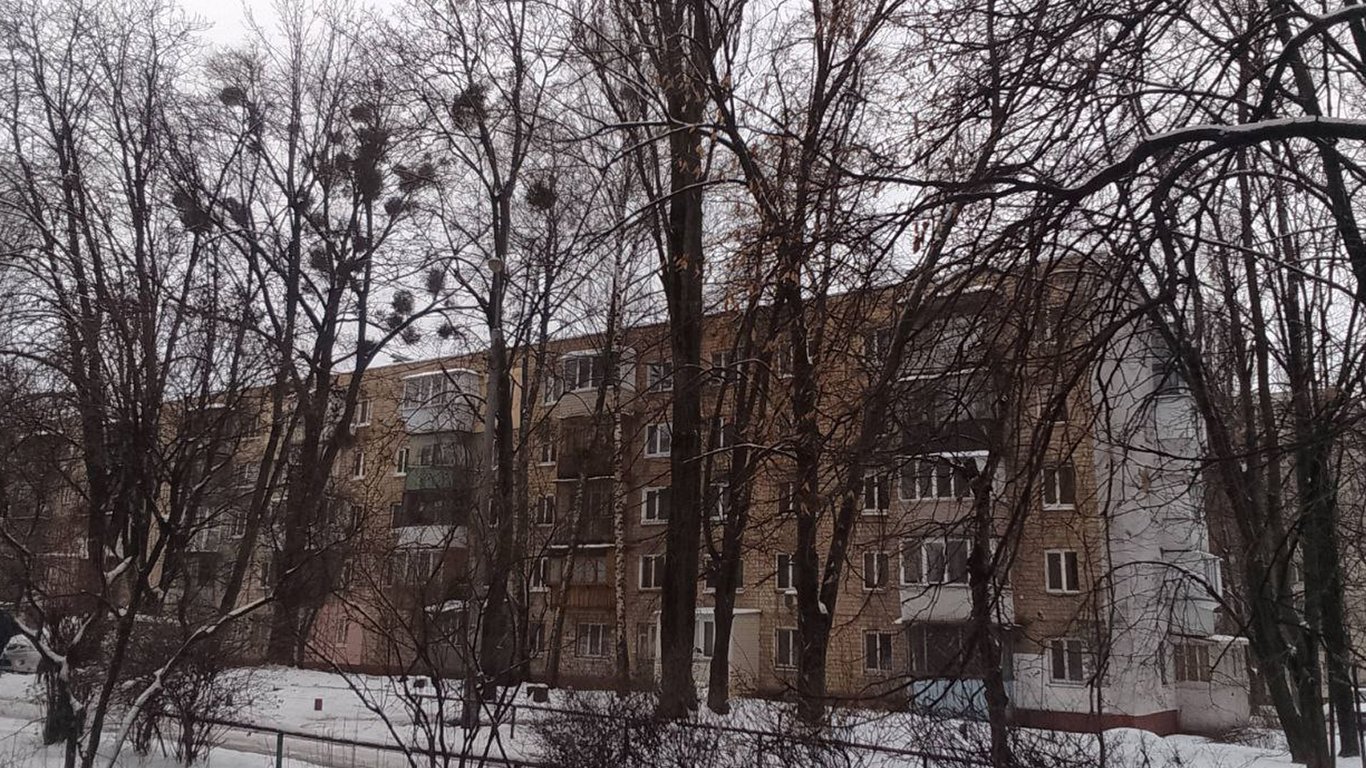
The State of Khrushchyovka Apartments in Ukraine
According to Novyny.live: In 2026, Ukraine continues to use Khrushchyovka apartment blocks, structures originally designed as temporary housing. Most of these buildings, first constructed during the era of Nikita Khrushchev, are now 60 to 70 years old and have long exceeded their intended lifespan. These prefabricated concrete panel buildings were a hallmark of Soviet mass housing. Before the onset of the full-scale war, Ukraine was home to an estimated 10,000 such buildings. The issue of what to do with them first gained prominence in 2006, when potential solutions were initially debated, though the focus at that time was on renovation rather than demolition.
Common Flaws of Khrushchyovka Apartments
The most significant drawbacks of these apartments include:
- Minuscule kitchens of only 5 square meters, which are cramped for even two people;
- Combined bathroom-toilet facilities;
- A lack of elevators;
- Paper-thin walls that offer little privacy from neighbors.
These factors severely compromise the living comfort of residents.
Olena Shuliak noted that prior to the full-scale war, Ukraine had roughly 10,000 Khrushchyovkas, and discussions about addressing the problem began as early as 2006.
While the era of mere discussion about the fate of these buildings appears to have ended by 2026, questions about their continued use and potential solutions remain unresolved. The situation underscores the critical need for a coherent housing policy strategy, as these outdated structures, which fail to meet modern standards, persist on the national agenda. Given the growing demand for comfortable and affordable housing, the problem of renovating or replacing this obsolete housing stock demands urgent and effective action from state and local authorities. With many of these buildings located in densely populated urban areas, their continued existence impacts residents' quality of life and the overall development of the urban environment.
Read also
- Three Ukrainians Without Documents Rescued from Occupied Territories Under Bring Kids Back UA Initiative
- Ukraine’s first underground kindergarten opens in Kharkiv, accommodating 260 children
- Ukraine's ports crippled by Russian strikes: 28 vessels hit, 21 killed
- 24 Children Rescued from Occupied Territories by Save Ukraine, Including Injured 13-Year-Old Anhelina
- Woman Faces Up to 7.5 Years in Prison After Attacking Children for Speaking Ukrainian in Poland
- One of the Most Recognizable Voices on Ukrainian Radio, Journalist Oleksandr, Has Passed Away