The Khrushchev Refrigerator: How a Window Niche Replaced an Appliance.

The Khrushchev Refrigerator: A Window Niche as a Cold Storage Solution
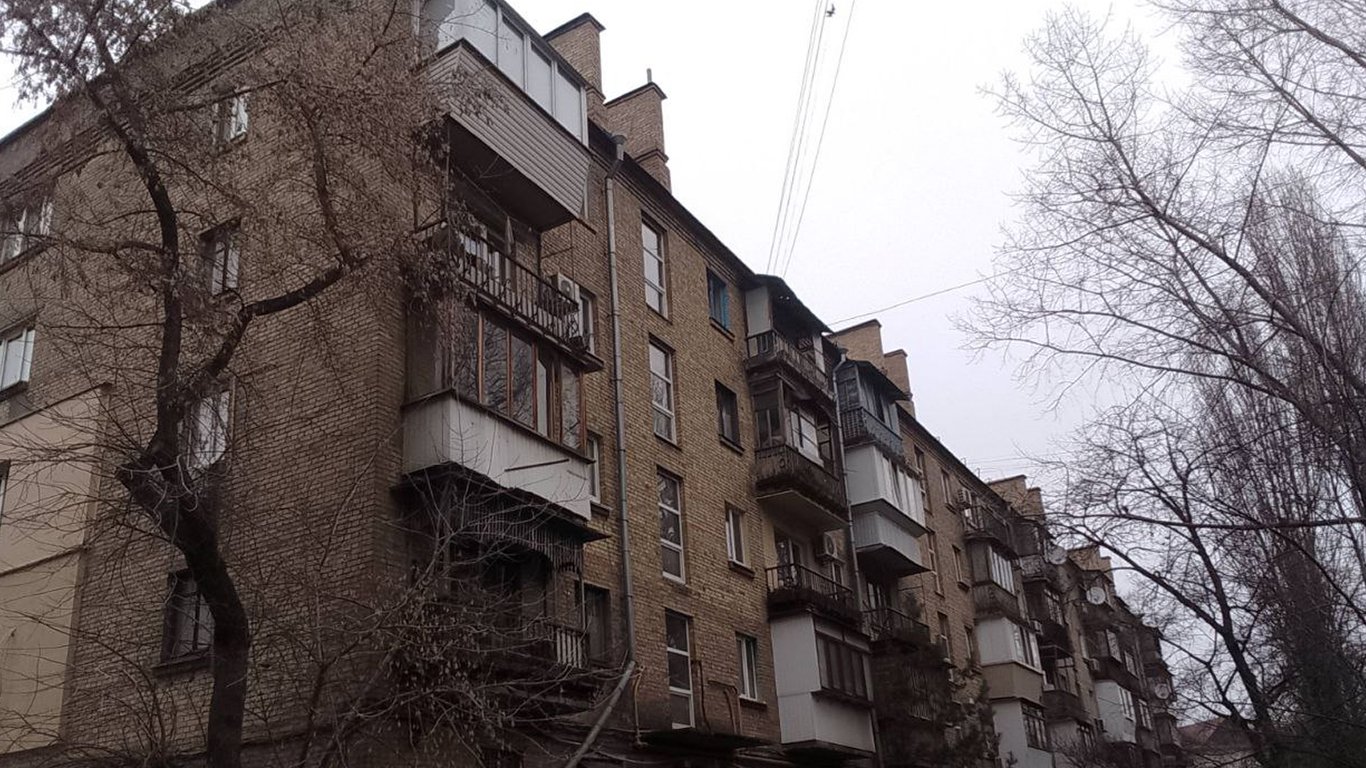
According to Novyny.live: Khrushchyovka apartment blocks, constructed in the 1950s and 1960s, featured unique design elements, one of which was a niche beneath the kitchen windowsill. Known as the 'Khrushchev refrigerator,' this feature was used for food storage at a time when owning an electric refrigerator was considered a luxury. These apartments were a massive, standardized housing program initiated to solve a severe post-war shortage.
Builders created a shallow cavity within the thick brick wall under the window, complete with a ventilation hole. This allowed cold winter air to rapidly chill the kitchen space, enabling residents to preserve food at lower temperatures without electrical appliances. As architectural historian Serhii Yunakov notes, this design was essentially
‘a hole’ in the building's thermal insulation, highlighting the compromises architects and builders made due to limited resources and the urgent need for housing.
An Icon of Its Time
Consequently, the 'Khrushchev refrigerator' became an iconic symbol of the era, reflecting the everyday realities of life in Soviet apartment buildings. It serves as a prime example of how simple, ingenious solutions could meet basic population needs when modern technology was out of reach.
This architectural element remains a relevant topic in discussions about the legacy of Soviet residential construction. While electric refrigerators are now standard, the Khrushchev refrigerator illustrates people's adaptability to past economic conditions and their creative approach to domestic challenges. Understanding such features provides valuable insight into the historical context of life in the USSR and its lasting influence on architecture and urban landscapes in post-Soviet states.
Read also
- Three Ukrainians Without Documents Rescued from Occupied Territories Under Bring Kids Back UA Initiative
- Ukraine’s first underground kindergarten opens in Kharkiv, accommodating 260 children
- Ukraine's ports crippled by Russian strikes: 28 vessels hit, 21 killed
- 24 Children Rescued from Occupied Territories by Save Ukraine, Including Injured 13-Year-Old Anhelina
- Woman Faces Up to 7.5 Years in Prison After Attacking Children for Speaking Ukrainian in Poland
- One of the Most Recognizable Voices on Ukrainian Radio, Journalist Oleksandr, Has Passed Away