The 'Khrushchev Refrigerator': Why Soviet-Era Apartments Are So Cold.

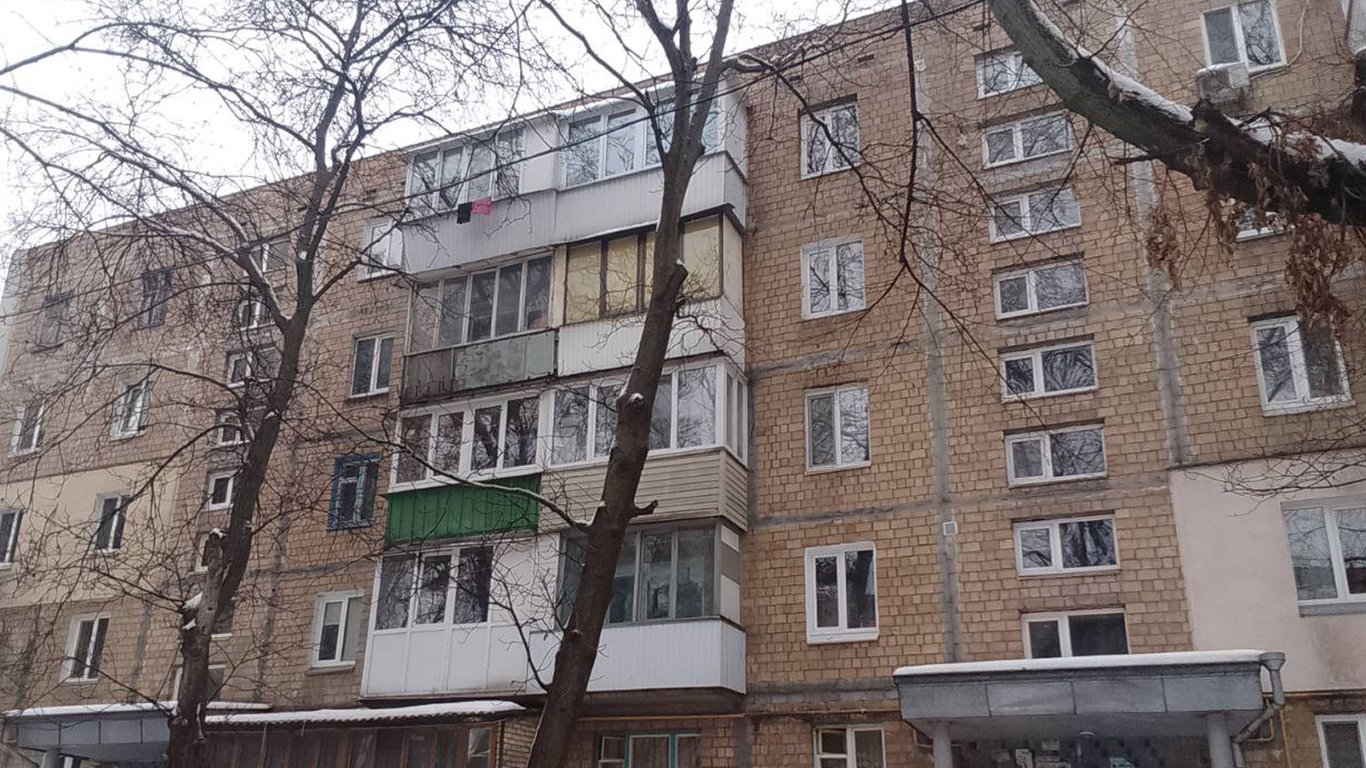
The 'Khrushchev Refrigerator': Why Soviet-Era Apartments Are So Cold
According to Novyny.live: A major cause of heat loss in 'Khrushchyovka' apartment blocks, a common issue across many Soviet-era buildings, lies in their distinctive architectural design. A key culprit is a niche beneath the windowsill containing a ventilation opening, colloquially known as the 'Khrushchev refrigerator.' This structural feature creates a weak point in the walls, leading to significant thermal leakage. These buildings are a legacy of the mass housing projects initiated under Soviet leader Nikita Khrushchev in the late 1950s and 1960s.
Furthermore, Khrushchyovkas typically have external walls only about 25 cm thick. This lack of substantial insulation is another major factor compromising the buildings' thermal efficiency. The situation is worsened by old, worn-out window frames, which fail to provide an adequate seal and allow precious heat to escape.
Primary Insulation Issues
Experts point out that the problem often stems not just from inefficient heating systems like radiators, but from fundamental flaws in the buildings' construction. Serhiy Yunakov, a construction specialist, notes:
“Khrushchyovkas have quite a number of shortcomings that have led to significant heat loss.” – Serhiy Yunakov
The main problems causing heat loss in these buildings include:
- Poorly insulated or open ventilation niches;
- Thin external walls;
- Deteriorated window frames.
Together, these factors create conditions where energy spent on heating is largely wasted. Consequently, the issue of improving insulation in these apartments remains urgent and in need of a solution.
Heat loss is a critical concern for many residents, as it directly impacts living comfort and heating costs. Given that most of these buildings were constructed in the mid-20th century, their energy efficiency has significantly declined, requiring urgent intervention from owners or the state. Potential solutions include modernizing windows, insulating walls, and rectifying structural defects, which would reduce heating expenses and improve living conditions.
Read also
- Zelensky’s Addresses Set Records: Mobilization and Demobilization Deepen Societal Rifts
- Over 150 Attendees Gather at Aspen Institute in Chernivtsi: How War Reshapes Social Cohesion
- Prosthetic Mannequins Debut in Ukraine: A Bold Statement on Inclusion
- OSCE Records 20,610 Deported Ukrainian Children in Report on Russian Crimes
- Two million for the shelter: LEROY MERLIN equips a safe hiding place in Fastiv Hospital
- Russian Forces Refuse to Evacuate Children from Kreminna, Using Them as Human Shields