When can they enter your apartment without permission: explanations from lawyers.


The right to privacy of home
The right to privacy of home is enshrined in Article 30 of the Constitution of Ukraine. No one has the right to enter your apartment without your permission or a court decision. This rule is fundamental for all cases, except for clearly defined exceptions.
As 'Judicial and Legal Newspaper' emphasizes, this provision applies regardless of whether you are the owner of the property or just living there.
The Coordination Center for Legal Aid states that no person, not even a neighbor or a representative of the homeowners' association, has the right to independently enter another person's apartment without permission.
When intrusion without consent is legal
There is a list of exceptions when the owner's permission is not needed, but the extraordinary nature of the situation must be recorded. These include:
- a fire;
- flood;
- collapse of structures;
- gas leak or other technical threats.
'In such cases, the owner's permission is not needed. However, neighbors cannot enter on their own — they must call the appropriate services.'
In such situations, municipal or emergency services must act first. Their representatives are required to act within their powers and in compliance with the law.
The role of homeowners' associations and utilities
If the building is managed by a homeowners' association, its officials have the right to participate in accessing the apartment only together with the services, and not independently.
According to the law, the owner is obliged to grant access in three cases:
- to eliminate an emergency (at any time of day);
- for repair or technical work;
- to take meter readings.
'Utility workers must present identification, act correctly, and limit access to where the equipment is located.'
Will the owner be liable for refusal of access
In an emergency situation, liability may rest not only with the person who caused the emergency but also with the one who obstructed access to the home.
If, for example, the owner does not open the door for utility services during a water leak, and as a result, the neighbors are flooded, the responsibility for damages will lie with them. Conversely, if the leak was caused by a resident but access was provided on time, only the culprit will be responsible for the situation.
What to do if someone tries to intrude
If someone is trying to enter your home without permission:
- demand to show identification;
- call the police if in doubt;
- document everything on video (this may serve as evidence in court);
- do not allow outsiders in without a court decision, even if they claim to be officials.
'Illegal entry is a criminal offense. Even in an emergency, officials must act within the law.'
Why it's important to know the limits of authority
Many residents do not distinguish when official intervention is legal and when it violates rights. An emergency situation only provides temporary access rights. However, any intervention must be justified, documented, and limited in space and time.
It is recommended to check what rights your management company or homeowners' association has and to keep copies of all notifications about planned work to avoid misunderstandings.
What to remember
- The Constitution prohibits access to the home without your consent.
- Exceptions are only in emergencies.
- Neighbors do not have the right to enter without services.
- Utility workers must adhere to clear rules.
- You have the right to document every visit and contact the police.
Ukrainians often confuse registration with the right of ownership of housing. Registration is only an administrative procedure that does not affect ownership rights. Only the person in whose name the relevant documents are issued can be the owner. Stay calm and know your rights to avoid possible misunderstandings in such situations.
Read also
- Three Ukrainians Without Documents Rescued from Occupied Territories Under Bring Kids Back UA Initiative
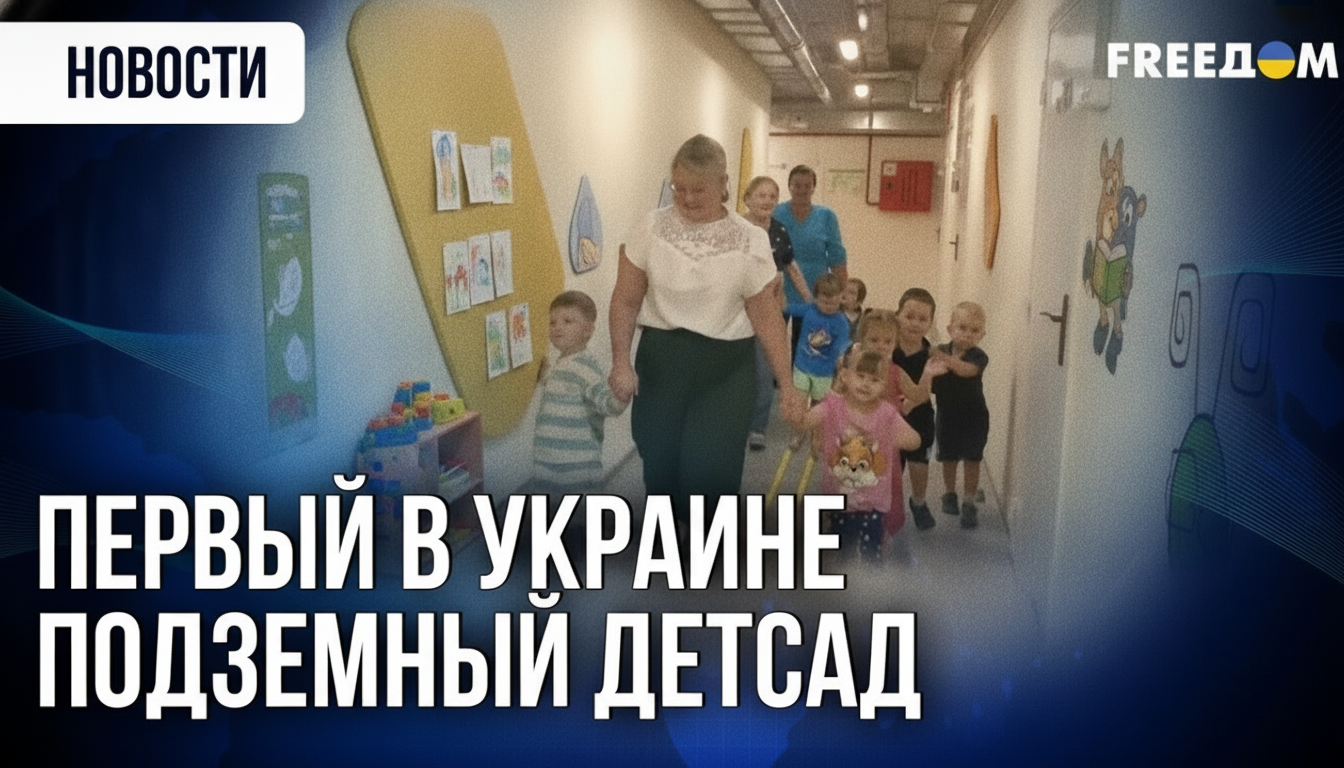
- Ukraine’s first underground kindergarten opens in Kharkiv, accommodating 260 children
- Ukraine's ports crippled by Russian strikes: 28 vessels hit, 21 killed
- 24 Children Rescued from Occupied Territories by Save Ukraine, Including Injured 13-Year-Old Anhelina
- Woman Faces Up to 7.5 Years in Prison After Attacking Children for Speaking Ukrainian in Poland
- One of the Most Recognizable Voices on Ukrainian Radio, Journalist Oleksandr, Has Passed Away