Iran Agrees to IAEA Inspections: A First Step Toward Abandoning Its Nuclear Weapons Program.

Iran–U.S. Negotiations in Switzerland
According to Espreso.tv: Iran has agreed to allow inspectors from the International Atomic Energy Agency (IAEA) into the country, a move that follows talks held on June 21, 2023, in Switzerland. This decision marks an initial step toward potentially ending Iran's nuclear weapons program. The discussions involved representatives from both the United States and Iran, along with mediators from Qatar and Pakistan.
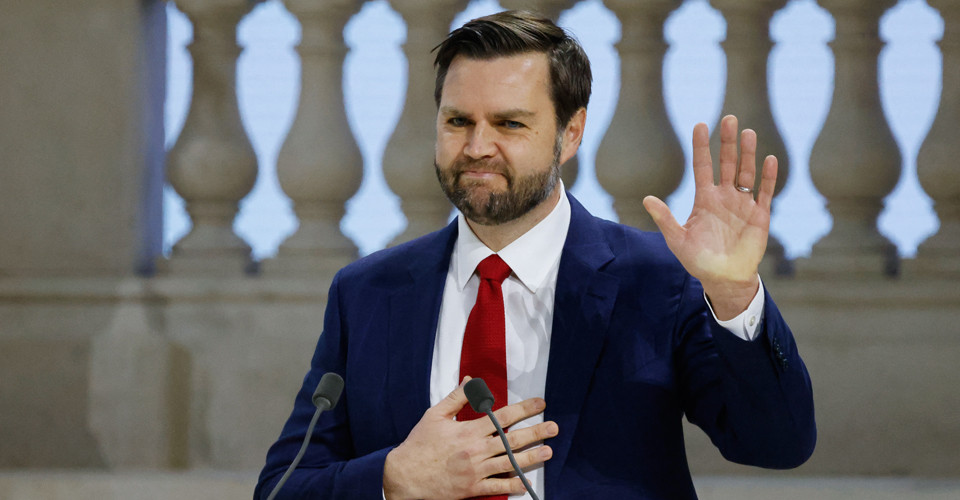
The American delegation was led by J.D. Vance, while Iran's team was headed by Mohammad Bagher Ghalibaf. The Iranian delegation included:
- Foreign Minister Abbas Araghchi,
- security officials,
- representatives from the central bank,
- and members of the oil industry.
These negotiations represent a significant development following the recent ceasefire agreement between the U.S. and Iran, reached on June 15, 2023. For an English-speaking audience, it's important to note that these talks are part of a broader effort to address long-standing tensions over Iran's nuclear ambitions and regional influence.
Memorandum Signing and Future Prospects
On June 18, 2023, Donald Trump and Iranian President Masoud Pezeshkian signed a memorandum of understanding aimed at ending hostilities. This step, combined with the United States lifting its naval blockade of Iranian ports, signals potential progress in bilateral relations.
J.D. Vance commented: 'This is the first step toward the permanent end of Iran's nuclear weapons program.'
Key U.S. priorities include advancing the nuclear issue, establishing a ceasefire in Lebanon, and creating a framework for further negotiations. These actions could lay the groundwork for regional stability and improved international relations. Amid ongoing challenges, a willingness for dialogue and cooperation between nations remains crucial.
This development points to a possible evolution in Iran–U.S. relations, which could significantly impact the geopolitical landscape of the region. Allowing IAEA inspectors may prove essential for reducing tensions and building trust between the two sides. Dialogue and mutual understanding could open new avenues for stability in other crisis zones across the Middle East.
Read also
- Trump Declares U.S. Control Over Strait of Hormuz and Demands Payment
- Paris to Host Coalition of the Willing: Zelenskyy to Focus on Missile Defense for Ukraine
- Ukraine Requires 2,000 Interceptor Missiles Annually to Counter Iskander Threats
- The 2026 Tech Breakthrough That Gave Ukraine the Upper Hand on the Battlefield
- Turkey Seeks Third-Country Transfer of S-400s: Could F-35 Deal Be Revived?
- Taylor Swift and Travis Kelce Tie the Knot in New York: Inside Their Private Wedding