








Iran's Primary Objective: Preserving Regime Power While Steering Clear of a U.S. Ground War.
Iran's Internal Control Mechanisms
According to TSN.ua: According to Vadym Denysenko, head of the analytical center 'Business Capital', the Iranian government's central aim is to maintain its grip on power. The expert asserts that Tehran's key priorities are preventing domestic protests and avoiding a U.S. ground military operation, which it views as a direct threat to the regime's survival. The regime subordinates all its actions to this goal of self-preservation.
Iran is actively trying to avert a ground war, fearing it could have catastrophic consequences for the country's stability. Denysenko notes:
'The worst-case scenario for everyone involved would be a ground operation.'
The primary tools the Iranian government employs to suppress dissent include:
- intimidation tactics;
- control over the food supply.
These methods allow the authorities to maintain societal control and prevent mass uprisings. This internal focus is crucial for understanding Iran's often cautious external posture.
External Threats and Defiant Rhetoric
Despite this internal calculus, Iranian Foreign Ministry chief Abbas Araghchi has publicly stated that the country does not fear a U.S. ground invasion.
'Tehran sees no point in negotiating with the White House,'he emphasized, pointing to a lack of trust in potential agreements with the American administration.
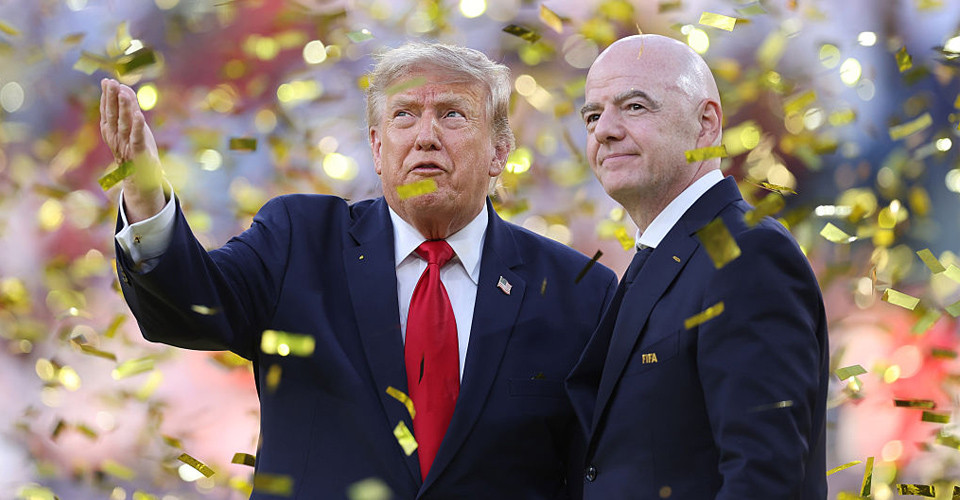
U.S. President Donald Trump has also commented on the situation, stating that Iran has already 'lost everything,' including its fleet, and that the United States possesses sufficient ammunition and resources to continue strikes without deploying ground troops. This ongoing war of words reflects the deep-seated tensions between the two nations.
The situation in Iran illustrates a complex balancing act between internal challenges and external threats. The Iranian authorities are striving to maintain domestic control while responding to pressure from the United States. Observing future developments is critical, as both domestic and international factors could significantly impact the regime's stability. The next steps taken by both sides will likely shape the conflict's evolution and its consequences for the wider Middle East region.
Read also
- Trump Says Zelensky and Putin Must Resolve the War on Their Own
- Armenia’s Final Pivot West: What Drove Pashinyan’s Decision
- Europe Urged to Shoulder Ukraine Support as Trump Shifts Responsibility: Expert Analysis
- America’s Role in Backing a Putin-Zelensky Meeting: Trump Weighs In
- Kremlin Acknowledges Receipt of Zelensky’s Letter to Putin
- Trump Backs Direct Talks Between Zelensky and Putin: Key Details