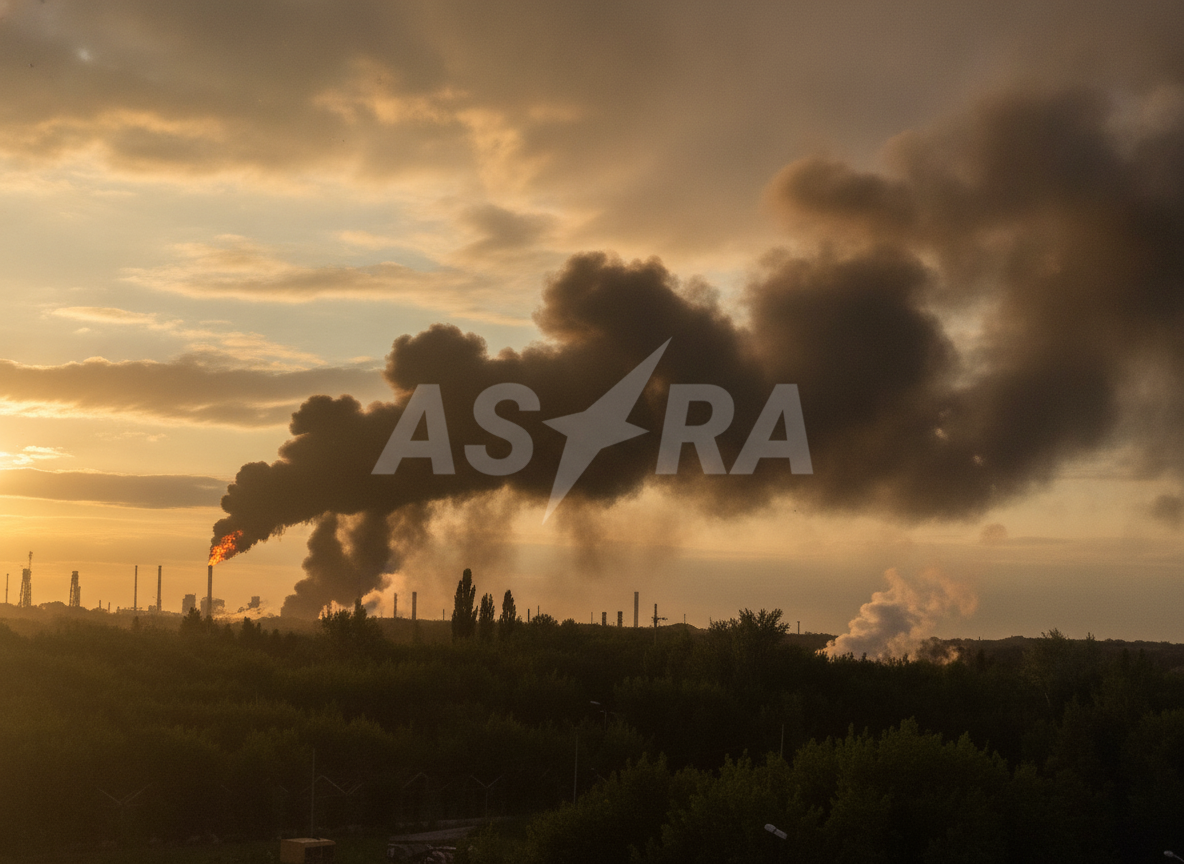








How U.S. and Israeli Airstrikes Are Disrupting Iran's 'Shahed' Drone Production.
Military Developments in Iran and the Strait of Hormuz
According to TSN.ua: Despite Iran's substantial stockpiles and its ability to assemble drones in ordinary workshops, U.S. and Israeli airstrikes have complicated the production of Iranian 'Shahed' drones. Prior to the war, Iran is estimated to have produced over 2,100 'Shahed' drones and approximately 700 ballistic missiles. These strikes not only hinder military manufacturing but also threaten regional stability, given Iran's control over the vital Strait of Hormuz. The 'Shahed' drones have become a signature weapon for Iran and its proxies in conflicts across the Middle East.
The Strategic Importance of the Strait of Hormuz
The Strait of Hormuz is a critical maritime chokepoint, handling about 20% of the world's seaborne oil exports. Recent days have seen the UK's Royal Navy report attacks on three commercial vessels in the Strait of Hormuz and the Persian Gulf, signaling a dangerous escalation in these crucial waters. Such assaults risk damaging oil infrastructure and military assets, which could trigger significant volatility in global energy markets.
Furthermore, the conflict has caused disruptions at major airports, including Dubai, potentially impacting international travel and logistics. The depletion of expensive air defense missile stocks in the U.S. and among Gulf Cooperation Council nations is another significant factor in the regional military calculus. These events underscore the persistent tension in the Persian Gulf, where Iranian actions could have severe repercussions for global security and stability.
The situation in Iran and around the Strait of Hormuz remains a focal point of international concern due to its potential to disrupt global energy supplies and maritime security. The heightened regional tension, particularly from ship attacks, could drive up oil transportation costs and create new economic challenges for importing nations. With the military inventories of the U.S. and its allies under strain, the risk of further conflict escalation remains high, highlighting the urgent need for diplomatic efforts to de-escalate the crisis.
Read also
- Global Nuclear Stockpiles on the Rise: SIPRI Reveals Warhead Count
- Strike on Russia’s Baltic Fleet in Kronstadt: Expert Calls It an Unprecedented Moment in the War
- Over 600 Square Kilometers Retaken by Ukrainian Forces Since January: Where Fighting Is Most Intense
- Why the Kharkiv-Sumy Highway Near Bohodukhiv Is Under Threat: Russia’s Latest Attacks
- French Fighter Jets Down Drone Over Latvia: Debris Located Near Key Towns
- Ukraine Strikes Fuel Depots in Crimea and FSB Command Post: Attack Details Revealed