








Advertising





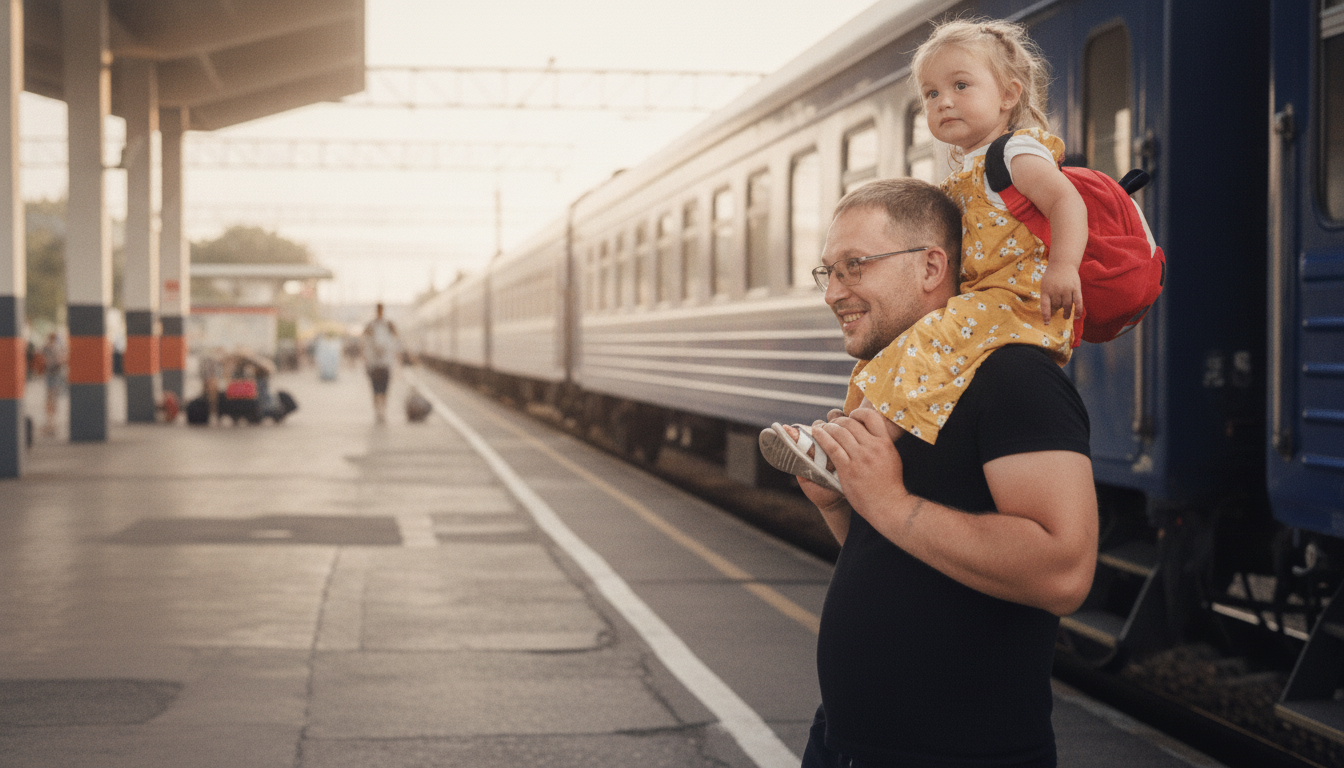
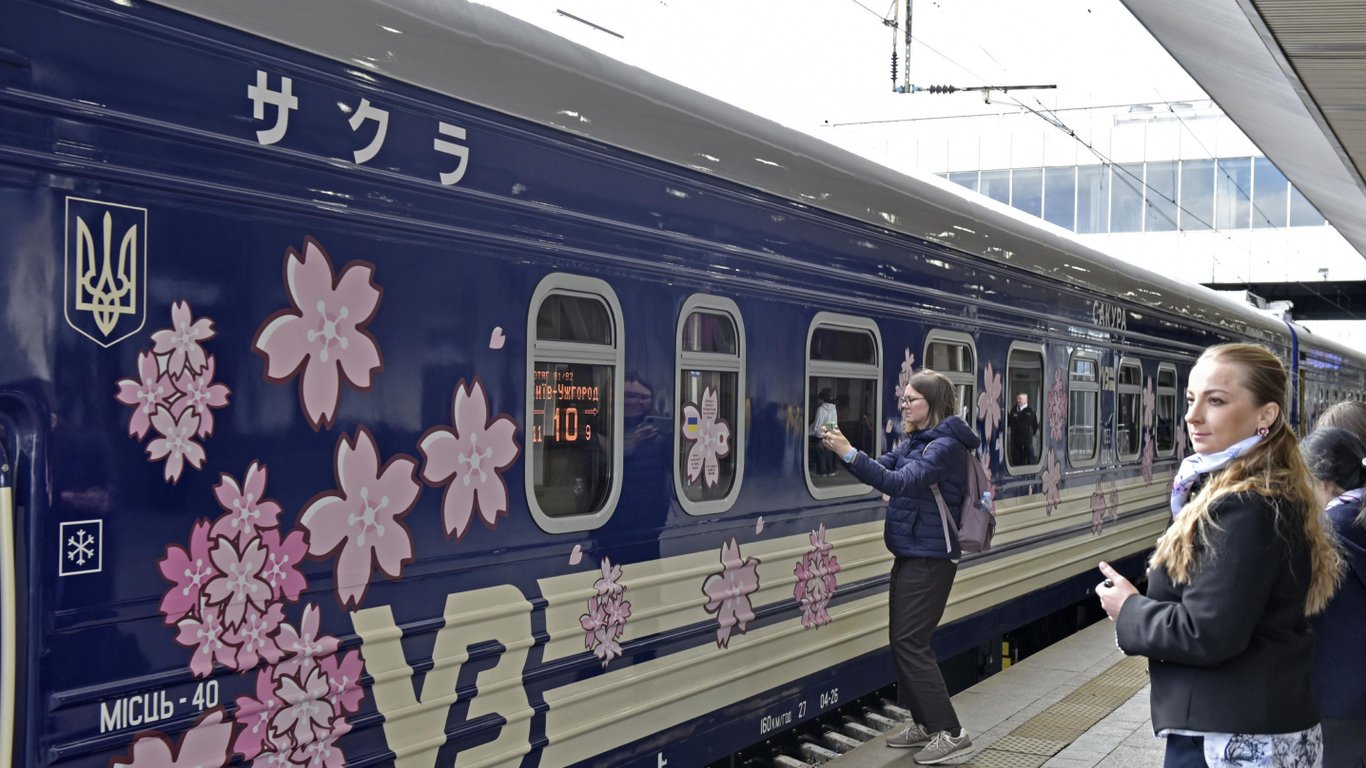
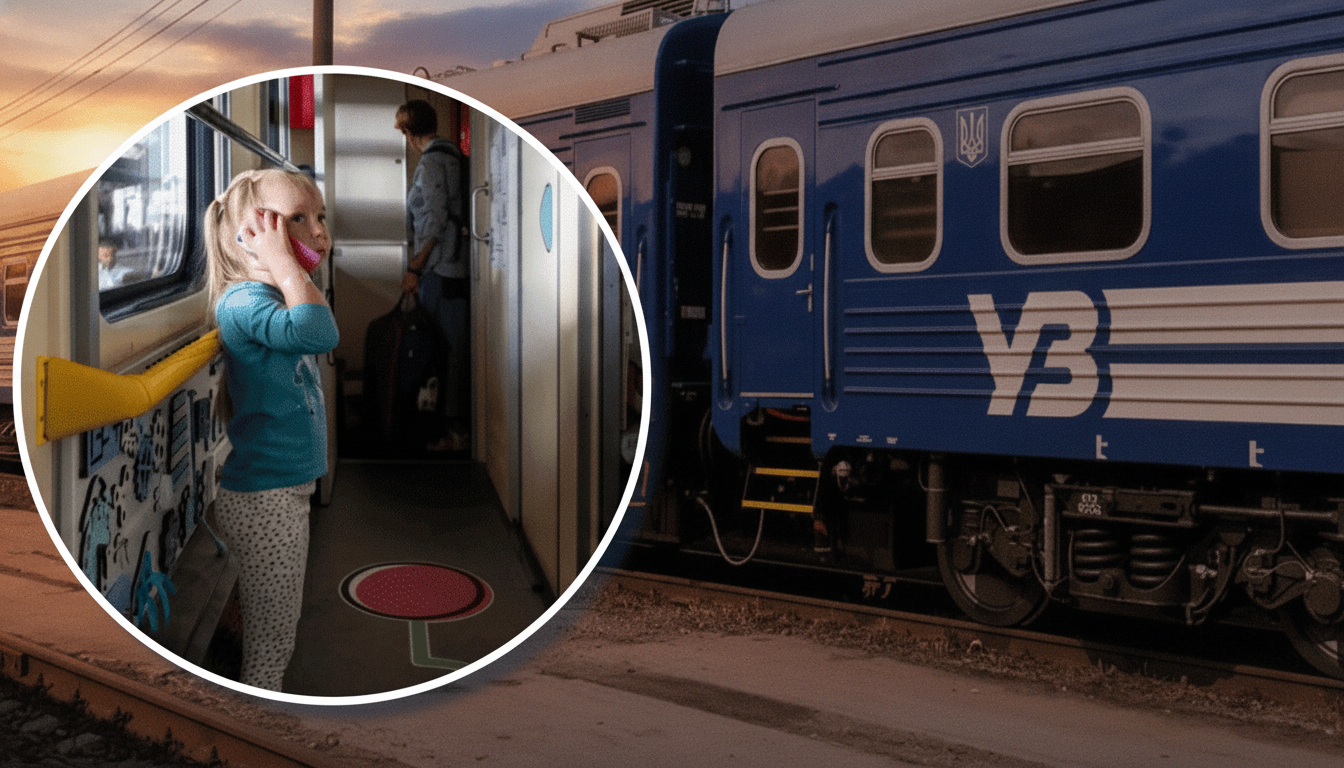
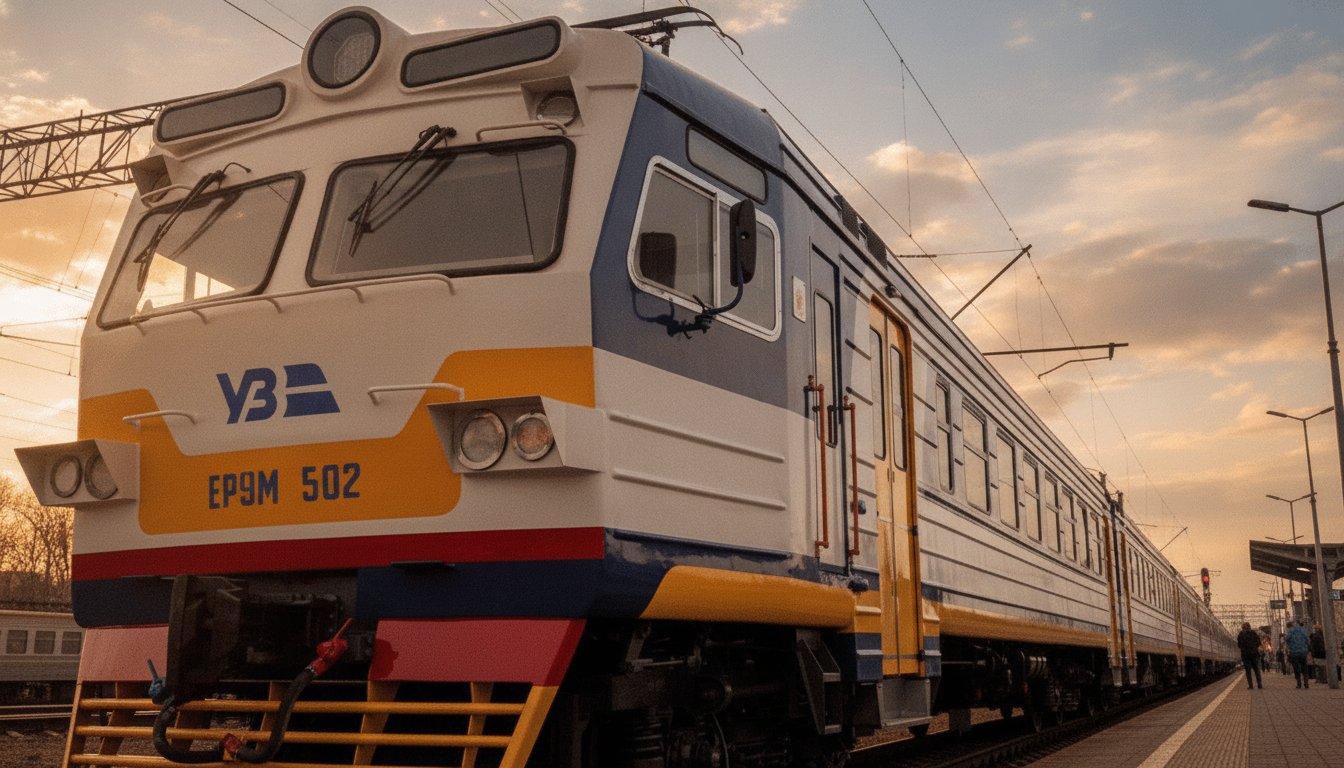
New Passenger Cars Deployed by Ukrainian Railways on Routes from Kyiv and Dnipro to Uzhhorod
Rolling Stock Upgrade at Ukrainian Railways Ukrainian Railways has introduced brand-new passenger cars on services connecting Dnipro and Kyiv with Uzhhorod, marking a significant upgrade to its fleet. Since the start of the year, 18 new passenger cars have entered service, enhancing travel quality f...
today, 18:48
223

Cherry Prices in Ukraine Drop 23%: Here’s the Cost per Kilogram Now
today, 18:18
247
Horoscope
LIFESTYLE



Tourism



The Secret to Perfect Homemade Dumplings: A Recipe for Juicy Filling
today, 14:30
317
A 5-Minute Crab Stick Salad: Easy Recipe with Processed Cheese
today, 13:54
361

July 2026 Lunar Calendar: Key Dates for Success and Caution Revealed
today, 09:00
370
Tech

Phone Charger Overheating: When It’s Normal and When It’s Dangerous
today, 17:36
278



Society

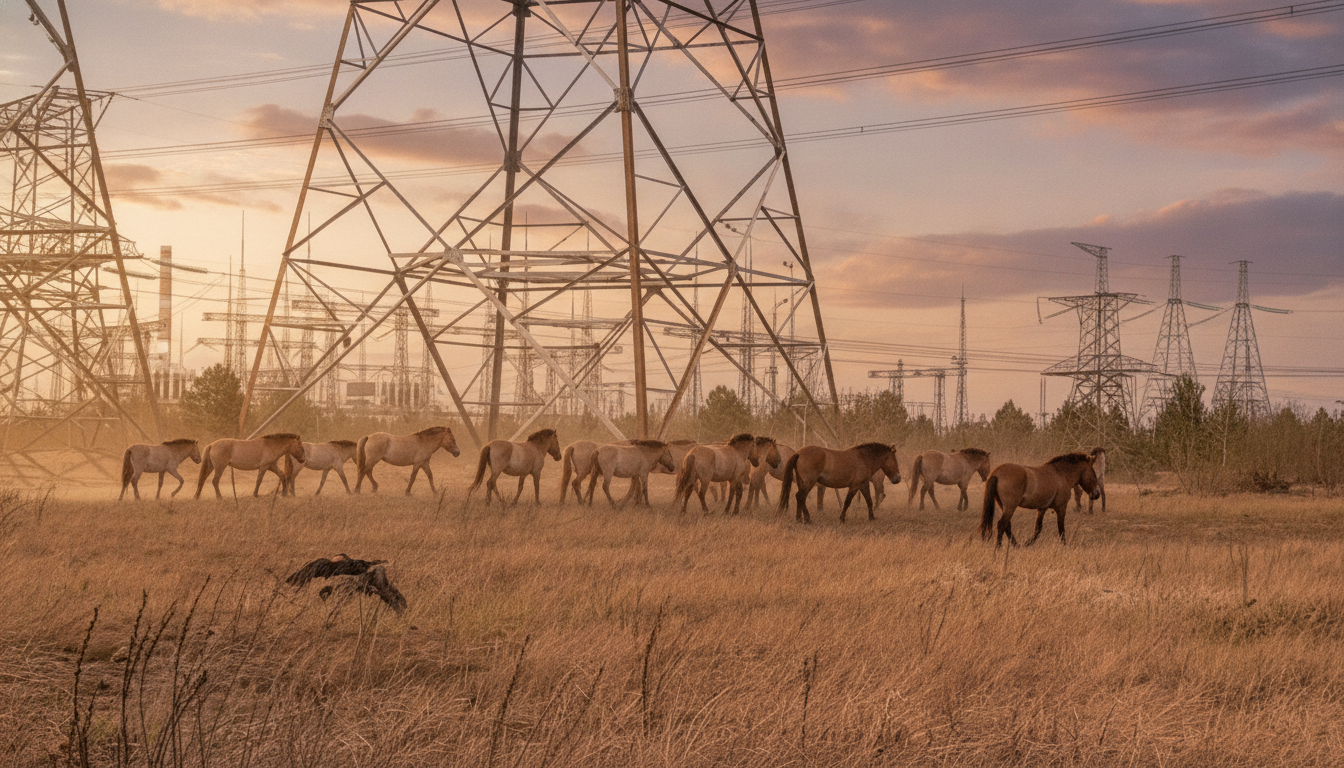

50 Dogs Evacuated from Frontline Areas Need New Homes in Odesa
today, 17:54
275
Showbiz

The Best Movies with Bruce Willis: Top Roles of the Action Legend
today, 16:22
324



Sports

Hundreds of Swimmers Dive Into Kyiv’s 10 km OCEANMAN Event
today, 20:00
117



Affordable Summer 2026: Bulgaria and Turkey Reveal Vacation Costs for Ukrainians
yesterday, 13:42
469