From Concept to Reality: The 76-Year Journey to Kyiv's First Metro Line.

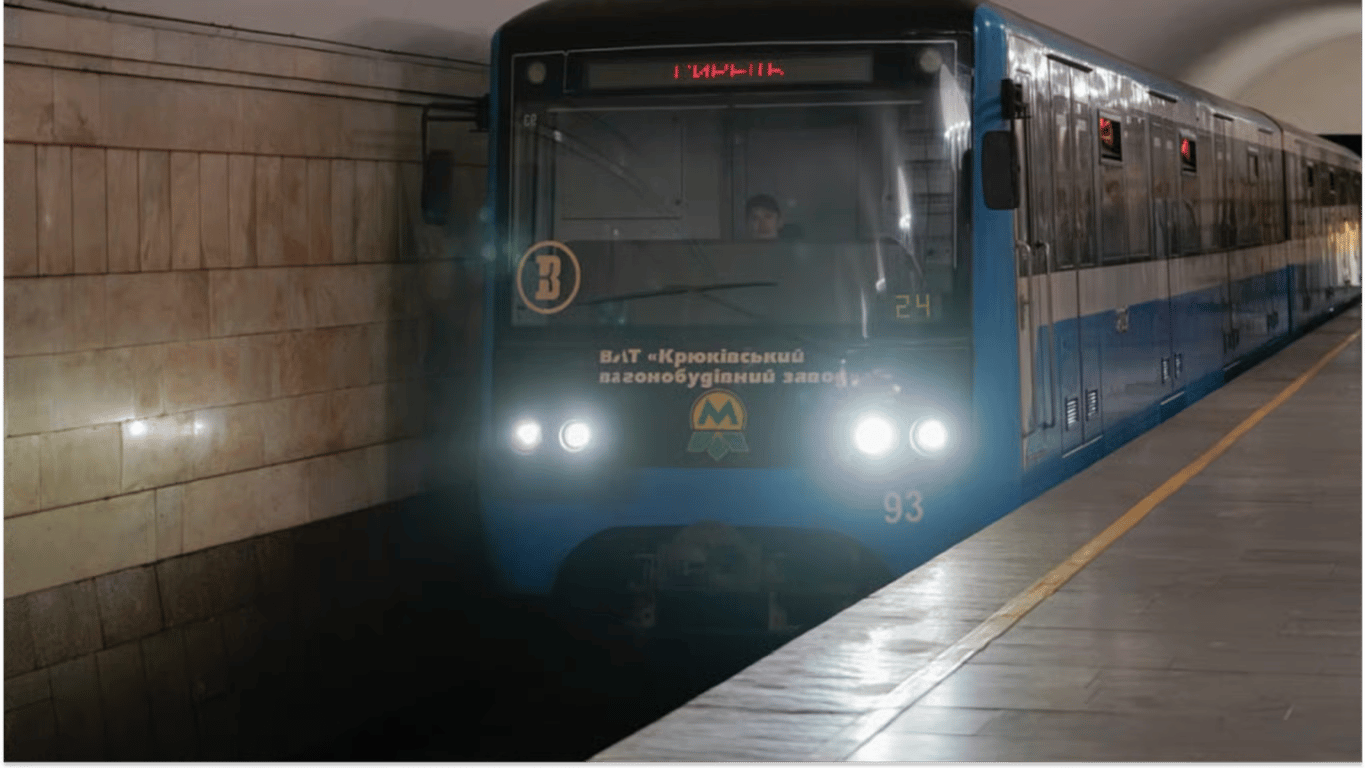
From Concept to Reality: The 76-Year Journey to Kyiv's First Metro Line
According to Novyny.live: The concept for an underground railway in Kyiv first emerged in 1884, marking the beginning of a long development story. However, the ambitious project's execution began much later. The first official plan for the Kyiv Metro was approved on July 9, 1936, establishing the necessary groundwork for future construction.
Construction on the initial line finally commenced in August 1949. This foundational section stretched 5.2 kilometers, creating the core of the capital's underground transport network. After over a decade of work, Kyiv's first metro line was officially opened for service on November 6, 1960, representing a major milestone for the city's public transit system. This development was particularly significant for a major European capital navigating post-war reconstruction and growth.
Expansion and Integration
In 1963, the line was extended by 3.4 kilometers, connecting new city districts. Further expansion continued, and a crucial project was completed in 1965: the metro crossed the Dnipro River via a two-tiered bridge, establishing a vital link to the Left Bank. This step became a powerful symbol of uniting different parts of the capital and dramatically improved transport accessibility for residents.
Thus, from the 1884 idea to the 1960 opening, the Kyiv Metro traversed a lengthy path to become an indispensable part of the city's infrastructure.
The evolution of the Kyiv Metro reflects not just progress in transport engineering, but also shifts in the capital's social and economic life. The system became a key tool for improving urban mobility, providing a convenient and rapid transit option for its growing population. Today, the Kyiv Metro continues to develop, as the demands of a modern metropolis and its residents require ongoing innovation in public transportation.
Read also
- Three Ukrainians Without Documents Rescued from Occupied Territories Under Bring Kids Back UA Initiative
- Ukraine’s first underground kindergarten opens in Kharkiv, accommodating 260 children
- Ukraine's ports crippled by Russian strikes: 28 vessels hit, 21 killed
- 24 Children Rescued from Occupied Territories by Save Ukraine, Including Injured 13-Year-Old Anhelina
- Woman Faces Up to 7.5 Years in Prison After Attacking Children for Speaking Ukrainian in Poland
- One of the Most Recognizable Voices on Ukrainian Radio, Journalist Oleksandr, Has Passed Away