







Persian Gulf Crisis Prompts China to Halt Diesel and Gasoline Exports.
How the Persian Gulf Crisis is Affecting China
According to TSN.ua: In response to escalating tensions in the Persian Gulf that are disrupting oil shipments, the Chinese government has directed its refineries to suspend exports of diesel and gasoline. This directive is a direct reaction to a significant spike in oil prices, driven by the current geopolitical instability in the region. As the world's largest crude oil importer, China's domestic energy security is highly sensitive to such global supply shocks.
China, which ranks as the third-largest supplier of oil products to the Persian Gulf region, is taking this step to prioritize its own energy needs. The National Development and Reform Commission of China has called for a temporary halt to overseas shipments of refined products to safeguard domestic supply. This move is particularly significant given that China sources nearly half of its imported crude oil from countries around the Persian Gulf, making regional stability crucial for its economy.
Market Exceptions and Potential Consequences
The export ban will not apply to aviation and bunker fuel stored in bonded warehouses. This decision is certain to impact the global market for refined oil products as China seeks to manage its position amid a volatile global energy landscape. Meanwhile, the OPEC+ alliance plans to increase its oil output by 206,000 barrels per day starting in April, a factor that may further influence the situation.
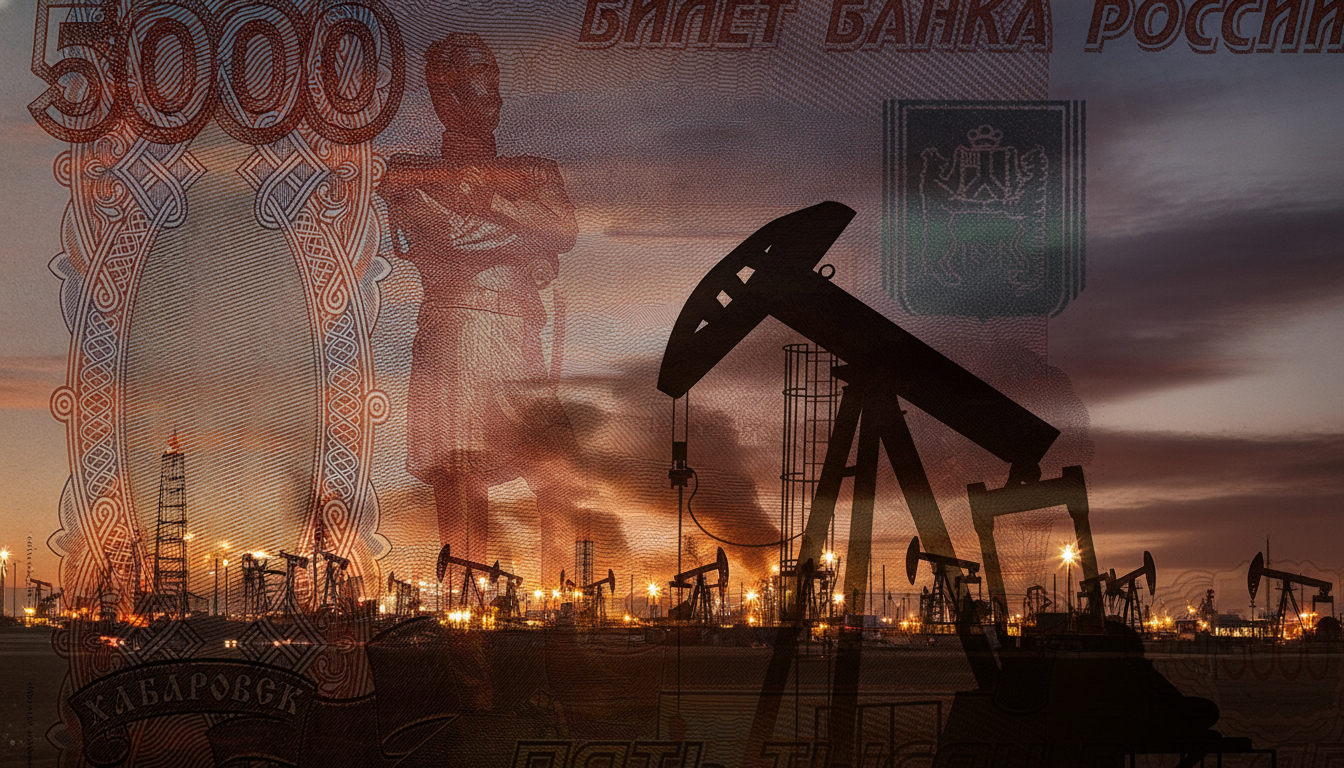
Current oil prices have already surged, pushing the cost of Russia's Urals crude to between $53 and $55 per barrel. This price increase, linked to the conflict in the Middle East, could have widespread repercussions not only for China but for all nations reliant on oil imports. China's export halt is therefore part of a broader strategy to ensure its energy stability in the face of these global challenges.
This situation demonstrates China's proactive stance in adapting to shifts in the global energy landscape, with a clear focus on maintaining domestic energy security.
Given China's status as a top oil importer, its policy actions can significantly sway world energy prices. Amid the geopolitical strain in the Persian Gulf, such measures may form part of a global strategic shift that will affect energy markets and policies worldwide.
Consequently, this development warrants close observation by the international community, as it could lead to a realignment of global energy supply chains.
Read also
- May 2026 government salaries revealed: Shmyhal takes home nearly 129,000 hryvnias
- Poland Proposes Minimum Wage Hike for 2027: What the New Rates Could Look Like
- Inflation Forces Russia’s Central Bank to Keep Rates High as Antimonopoly Watchdog Targets Economists Over Forecasts
- Massive Sewage System Construction Planned in Odesa Amid Illegal Wastewater Dumping
- Fuel Prices in Kharkiv Hold Steady on June 7: What Gasoline, Diesel, and LPG Cost Today
- June Brings a Favorable Euro Exchange Rate: Ukrainians Urged to Act Fast on Currency Trades