Kyiv Heating Crisis: Mayor Klitschko Reports 4,000 Apartment Blocks Still Without Heat.

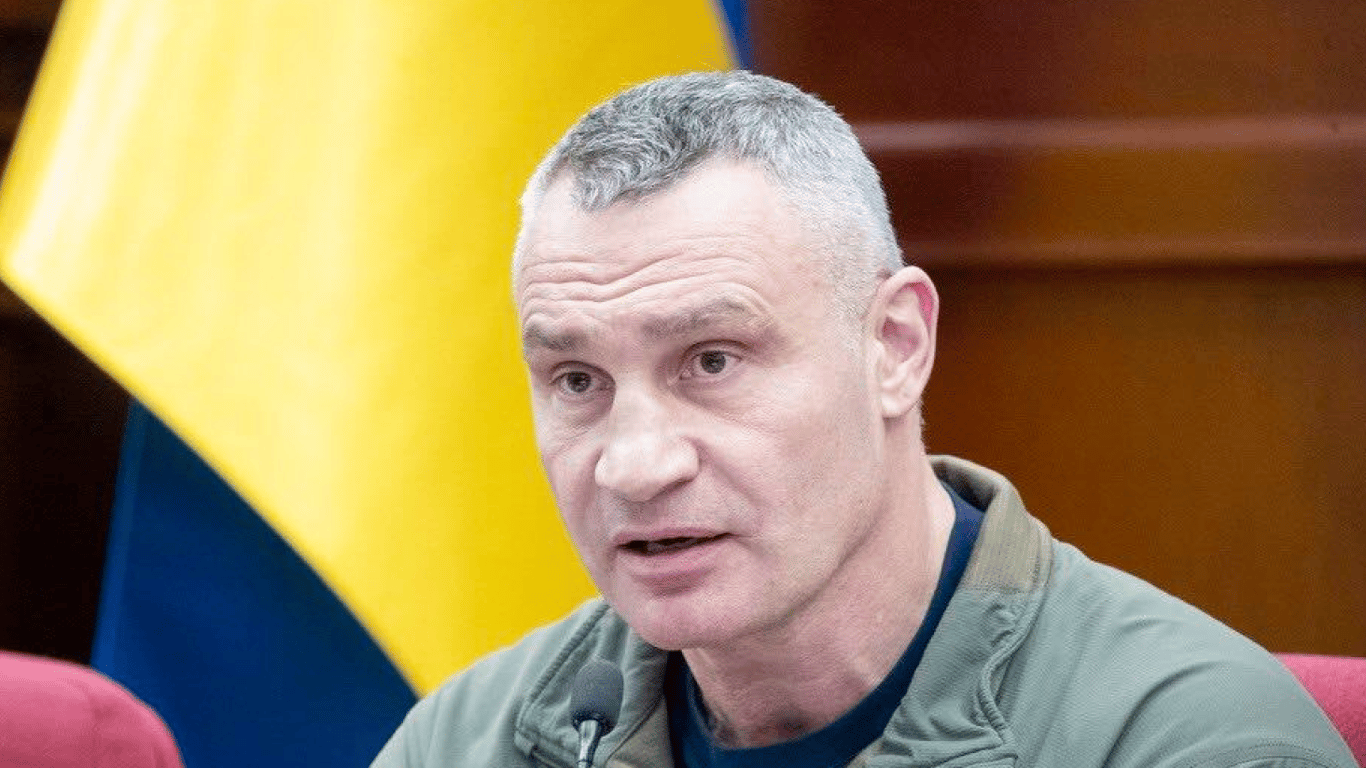
Heating Situation in Kyiv
According to Novyny.live: Kyiv Mayor Vitali Klitschko has detailed the capital's heating crisis following a massive Russian Federation attack on the night of January 20. The assault on critical infrastructure has left approximately 4,000 multi-story apartment buildings without heating. This represents the majority of the 5,635 buildings that initially lost heat supply due to the attack, meaning thousands of residents are enduring freezing conditions. These attacks on energy systems are a recurring tactic in the ongoing conflict, severely impacting civilian life during winter.
Municipal utility workers have taken action to improve the situation, restoring the heating medium to over 1,600 residential buildings. However, a significant portion of the capital's residents remain without heat, causing deep concern for both local authorities and the population.
Currently, 4,000 out of the 5,635 apartment blocks that lost heating after last night's enemy attack on the capital remain without heat.
Vitali Klitschko
New Measures to Improve Heat Supply
In addition to repair efforts, Kyiv is set to receive two mini thermal power plants (mini-CHPs) from the German Society for International Cooperation (GIZ). A memorandum on the transfer has been signed, with the units expected to arrive next week. Furthermore, five cogeneration units have been installed in Kyiv, two of which are already operational. These measures could substantially improve the capital's heating supply situation.
The heating crisis in Kyiv underscores the severe challenges the city faces amid ongoing armed aggression. Despite the efforts of utility services and the acquisition of new power generation capacities, a large number of residential buildings remain without heating. While the new mini-CHPs represent a crucial step toward ensuring a more stable heat supply, their implementation will require time and effort to restore normal conditions for the capital's residents.
Read also
- Emergency Power Cuts Hit Kyiv and Region: What We Know About Ukrenergo’s Restrictions
- Missile Strike Devastates Kyiv Biochemistry Institute: Key Labs Destroyed
- Deadliest Ballistic Strike on Kyiv: 30 Killed, 56 Wounded as Search for Children Continues
- July 3 Declared a Day of Mourning in Kyiv: Canceled Events and Potential Air Defense Boost
- Kyiv Under Massive Attack on July 2: 18 Dead, 85 Wounded, Including Children
- July 3 Declared a Day of Mourning in Kyiv: 13 Killed and Nearly 90 Wounded in Russian Attack