Former POWs Describe a Camp Where Dreams Die and Bread is Quartered.

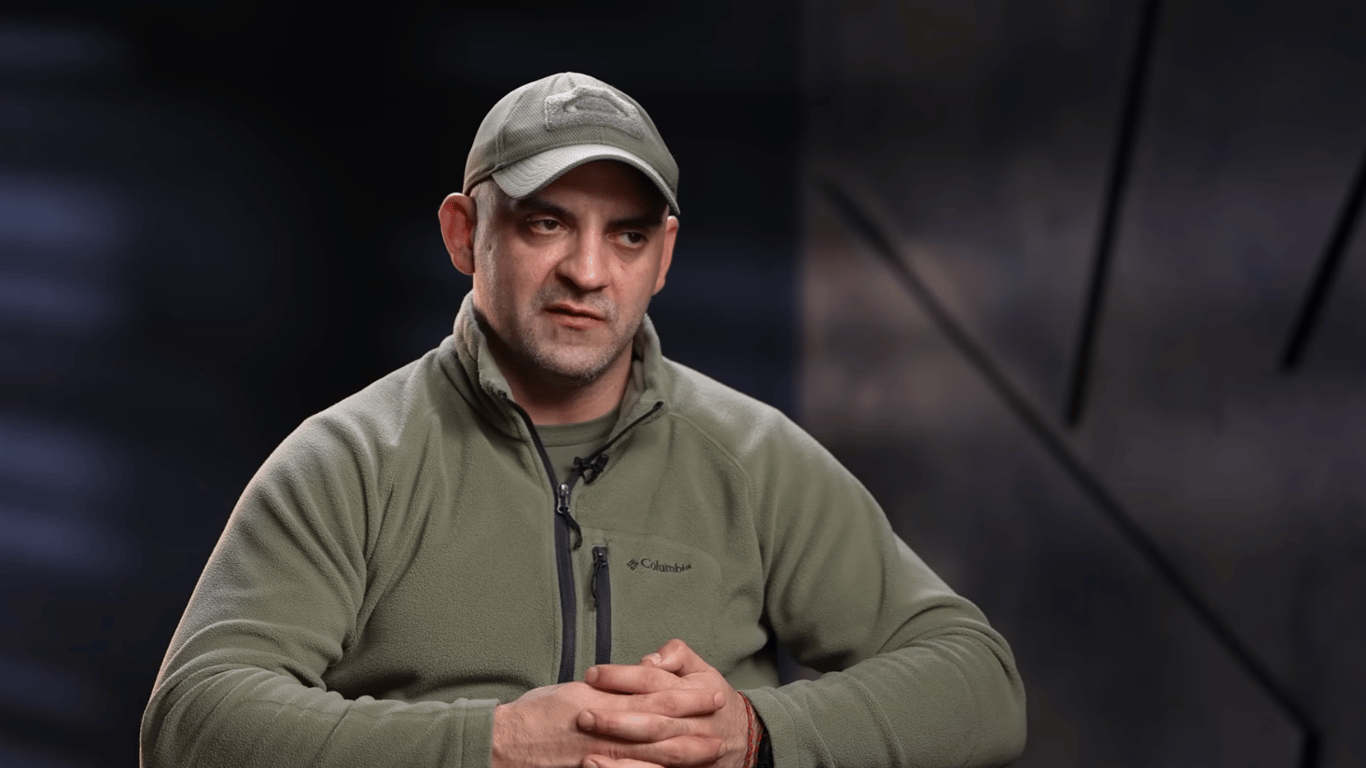
An Interview with Former Prisoners of War
According to Novyny.live: A new interview on the YouTube channel RAMINA features former Ukrainian prisoners of war, Yevhen Chudnetsov and Andrii, who survived Russian captivity. Yevhen, known by the call sign 'Chudik', was held for nearly four years, while Andrii, call sign 'Muk', endured over two years. Their testimonies reveal the horrific conditions they were forced to endure.
In his account, Yevhen Chudnetsov described the starkly limited scope of hope in captivity:
'There are only three things you can even dream of there. First—that they don't torture you today. Second—that you get a whole loaf of bread, not just a quarter. That's it. No other thoughts exist. And also that it's not so cold, because in winter it's utterly exhausting. In the second captivity, there were no more dreams. It's a place where dreams die.' Yevhen Chudnetsov
These words powerfully illustrate the horrors experienced by prisoners of war.
Society and Military Personnel
The interview also highlighted a problematic societal perception of service members. Chudnetsov noted:
'We have one problem with the average citizen: they want a soldier to be naked, barefoot, and hungry so they can pity him, give him two hryvnias, and feel magnanimous. But when a soldier receives proper support, has housing or a car, then it starts: 'Oh, you're making money over there...'' Yevhen Chudnetsov
The interview also featured a short social video titled 'Ambiguous Loss is Trauma,' produced by the charity foundation Future for Ukraine in collaboration with the production studio Luminance. This video aims to raise awareness about the conditions of captivity and the emotional trauma experienced by former POWs.
It is worth noting that, according to the information presented, if a Ukrainian Armed Forces serviceman voluntarily surrenders or deserts, financial support to their family is halted. This policy has also caused outrage among many following the situation.
This interview underscores not only the personal ordeals of former prisoners of war but also the broader social challenges facing military personnel in Ukraine. Societal attitudes towards soldiers, especially those who have been captured, can significantly impact their reintegration after returning home. The emergence of social videos like 'Ambiguous Loss is Trauma' can help foster greater awareness and understanding of the difficulties these individuals face. This context is crucial for an international audience to grasp the full scope of the war's human cost beyond the battlefield.
Read also
- Three Ukrainians Without Documents Rescued from Occupied Territories Under Bring Kids Back UA Initiative
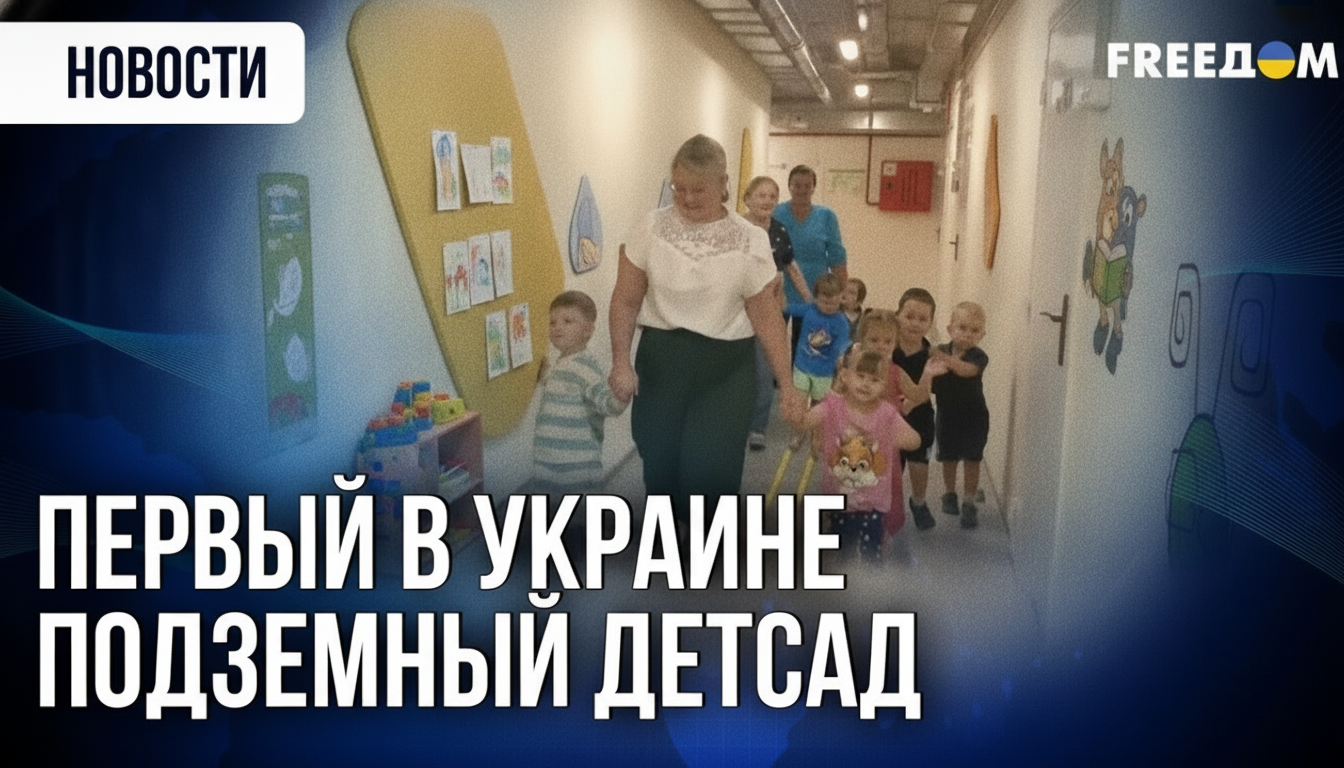
- Ukraine’s first underground kindergarten opens in Kharkiv, accommodating 260 children
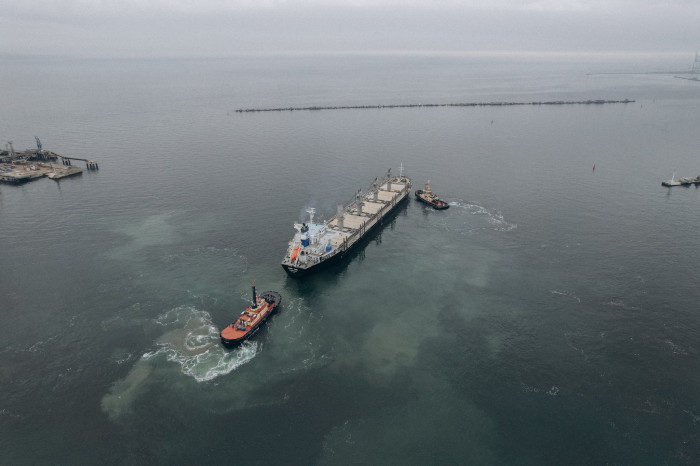
- Ukraine's ports crippled by Russian strikes: 28 vessels hit, 21 killed
- 24 Children Rescued from Occupied Territories by Save Ukraine, Including Injured 13-Year-Old Anhelina
- Woman Faces Up to 7.5 Years in Prison After Attacking Children for Speaking Ukrainian in Poland
- One of the Most Recognizable Voices on Ukrainian Radio, Journalist Oleksandr, Has Passed Away