Double the Debt Reprieve: New Bill Proposes Extended Loan Relief for Former Prisoners of War.

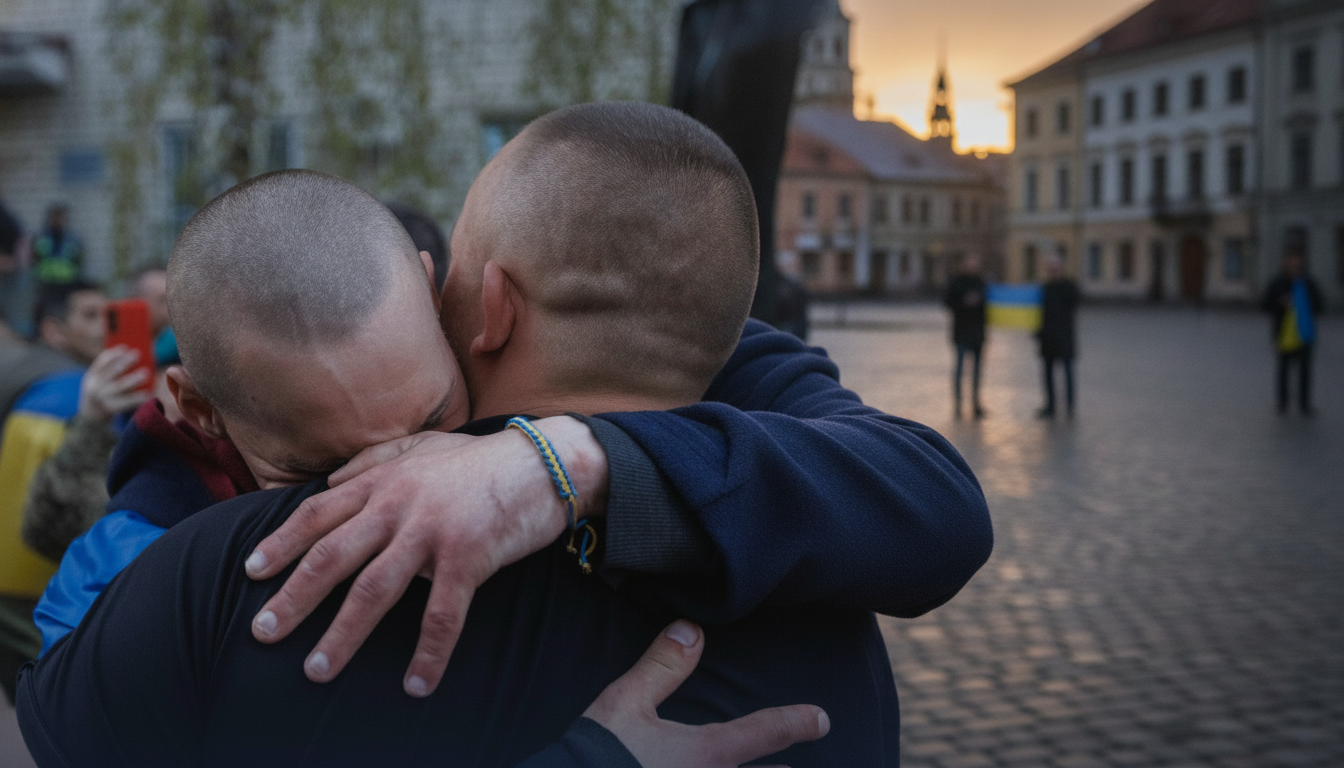
Bill No. 15357: Support for Former Captives
According to Novyny.live: Ukraine’s parliament has registered a new legislative proposal—Bill No. 15357—aimed at extending the payment deferral period for individuals released from Russian captivity from six months to a full year. The initiative is designed to ease the financial burden on former prisoners during their critical reintegration phase after release.
Under current law, those who were held captive are exempt from loan and debt payments during their imprisonment and for six months after their return. However, the proposed legislation would significantly expand this window, granting a 12-month reprieve from all financial obligations. This would give former captives extra breathing room to manage their finances without the threat of late fees or penalties.
Benefits for Former Prisoners
If passed, banks would be barred from imposing fines or penalties for non-payment throughout that year. The bill also mandates an automatic extension of the deferral for the entire duration of any necessary hospital treatment. This measure could prove vital for those requiring additional time to recover from trauma and injuries sustained during captivity.
Under the new provisions, former prisoners would retain several key benefits, including:
- the ability to restructure outstanding debt;
- exemption from fines and penalties during the deferral period;
- the right to negotiate debt settlement with their bank.
Importantly, the right to restructure credit debt would also extend to the spouse of a former prisoner.
Bill No. 15357 aims to support those facing financial hardship after returning from captivity, helping them regain stability in their lives.
Adopting this bill could significantly impact the lives of former prisoners by offering not only financial relief but also the chance to focus on emotional and physical recovery. In a context where many former captives struggle with psychological and social challenges, such measures could play a crucial role in their reintegration into society. The proposal also underscores the importance of state support for vulnerable groups amid modern-day challenges.
Read also
- Zelensky and Top Military Command Outline Response Plan to Russian Strikes
- EU's New Sanctions Package Targets Crypto Platforms Used to Bypass Restrictions
- New directives for Ukraine's National Security and Defense Council: Zelenskyy assigns tasks to Umerov and Klymenko
- Ukraine Extradites Former Lawmaker Demchak in Major Push to Bring Back Suspects
- EU Adopts 21st Sanctions Package Against Russia: What the New Restrictions Target
- Lithuania Accuses EU Nations of Undermining Sanctions for Their Own Economic Gain